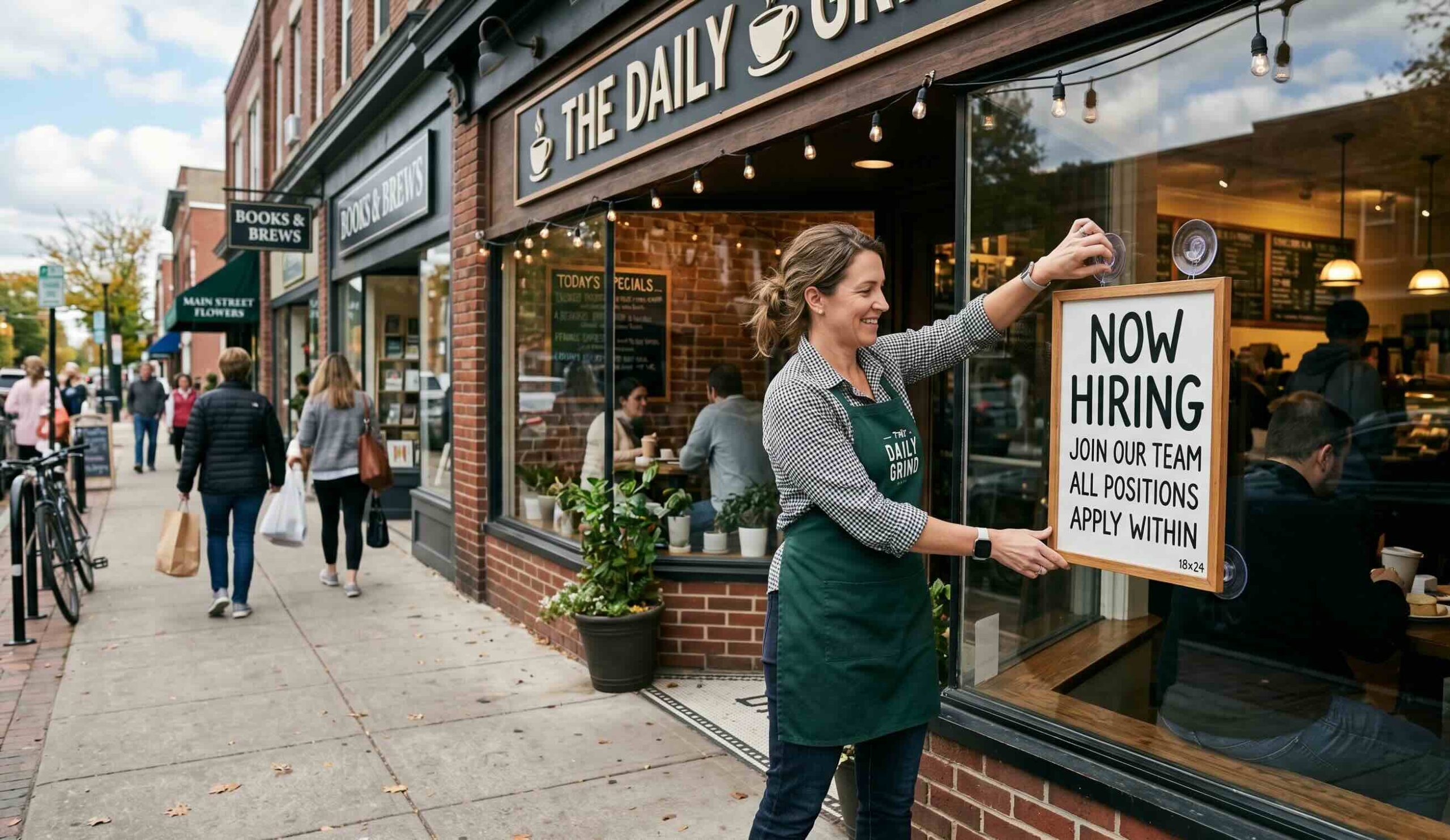
You think your business is running smoothly. Your staff seems friendly. Your products are solid. Customers aren’t complaining. But here’s the thing: most unhappy customers don’t complain. They just don’t come back.
Mystery shopping is one of the most underused tools in a small business owner’s toolkit. It gives you a ground-level view of what your customers actually experience, not what you think they experience. And what you find out might surprise you.
This guide walks you through exactly how mystery shopping works, how to set up a program for your business, and how to turn what you learn into real improvements.
What Is Mystery Shopping?
Mystery shopping is the practice of hiring anonymous evaluators to pose as regular customers and interact with your business. The shopper experiences your service firsthand, then reports back on what happened, good and bad.
It’s been used by big retail chains and restaurants for decades, but it works just as well for small businesses. A mystery shopper might walk into your store, call your front desk, place an online order, or use your service from start to finish. Their job is to evaluate the experience with fresh eyes.
The data you get from mystery shopping is different from surveys or online reviews. It’s structured, objective, and collected under controlled conditions. You don’t have to wait for a customer to leave a review. You go out and get the feedback yourself.
Why Small Business Owners Should Care
When you’re the owner, you’re almost never treated the same way a regular customer is. Staff perform differently when they know you’re watching. Vendors give you the VIP treatment. The experience you see is rarely the experience your customers get.
Mystery shopping closes that gap. It tells you things like:
- Are your employees greeting customers promptly?
- Is your return process as smooth as you think it is?
- How does your staff handle a difficult question or complaint?
- Is your website checkout actually easy to complete?
- Are wait times acceptable?
For service businesses especially, these details make or break customer loyalty. A single bad interaction can cost you a repeat customer and, thanks to word of mouth, several more they would have referred. According to the SBA’s guidance on managing your business, understanding the customer experience is central to building a sustainable operation.
How to Set Up a Mystery Shopping Program
Step 1: Define What You Want to Evaluate
Before you hire anyone, get clear on what you’re trying to learn. Mystery shopping is only useful if you know what questions you want answered. Are you trying to evaluate staff friendliness? Speed of service? Product knowledge? The checkout process? The cleanliness of your space?
Write a list of the key touchpoints in your customer experience. These are the moments where things can either go well or fall apart. Focus your evaluation on those.
Step 2: Create a Scorecard
A good mystery shopping program runs on a consistent scorecard. This is a simple form that your shopper fills out after each visit. It should be specific enough to give you actionable data, but not so long that it becomes a chore to complete.
Sample scorecard categories:
- Greeting: Was the customer acknowledged within 30 seconds of entry?
- Product knowledge: Was the staff member able to answer product questions accurately?
- Upsell attempt: Did the employee offer a relevant add-on or upgrade?
- Wait time: How long did it take to be helped?
- Resolution: If a problem was presented, was it handled well?
- Cleanliness: Were the space and restrooms clean and organized?
- Closing: Was the customer thanked and invited to return?
Rate each category on a simple 1 to 5 scale and include space for written notes. The written observations are often where you find the most useful insights.
Step 3: Find Your Shoppers
You have a few options for finding mystery shoppers:
Use a professional platform. Sites like Market Force, Second to None, and BestMark connect businesses with trained mystery shoppers. You pay a fee per visit, but you get structured reports and vetted evaluators. This is the best option if you want reliability.
Hire from your network. Ask a friend, family member, or acquaintance who isn’t known to your staff to visit your business and fill out your scorecard. It’s informal but can work well for smaller operations with tight budgets.
Use freelancers. Platforms like Fiverr have freelancers who offer mystery shopping and customer experience evaluation services. If you need someone to evaluate your online presence, website UX, or phone experience, a freelancer from Fiverr can be a cost-effective choice.
Do it yourself online. For your website, email responses, and online ordering, you can conduct your own mystery shop by using a different account or asking someone else to go through the process and document their experience step by step.
Step 4: Brief Your Shoppers Carefully
Whoever is doing your mystery shopping needs clear instructions. Tell them exactly what to do: what to ask about, whether to present a problem or complaint scenario, how to document their experience, and when to submit their report.
They should not reveal they are a mystery shopper under any circumstances. The whole value of the exercise is that your staff behaves as they normally would.
What to Do With the Results
Getting the data is only half the job. What you do with it determines whether the program is worth running.
Start by reviewing the scorecard with an open mind. It’s easy to get defensive when you see low scores, especially if you care deeply about your business. Resist that impulse. The findings are a gift, not an attack.
Look for patterns across multiple visits. One bad interaction might be an off day. Three bad interactions in the same category point to a systemic issue. That’s what you want to identify and fix.
Once you’ve identified the problem areas, use them to drive targeted training. Don’t just share the scores with your team in a meeting and move on. Explain specifically what happened, why it matters to the customer experience, and what a better response looks like. Role-play the scenario if you need to. This kind of concrete, specific feedback is far more effective than vague coaching.
This pairs well with a broader approach to gathering and acting on feedback. If you haven’t already built out a system for that, read our guide on how to use customer feedback to improve your small business.
How Often Should You Run Mystery Shops?
For most small businesses, running a mystery shop once a quarter is a good starting point. It gives you regular data points without becoming a constant surveillance operation that might erode trust with your team if it leaks out.
After an initial round of training or process changes, schedule a follow-up shop 30 to 60 days later to see if the improvements stuck. This follow-up is often where you’ll see the clearest return on the investment.
If you run multiple locations or have a large team, you may want to increase the frequency or rotate which location gets evaluated each cycle. Consistency across locations is a common pain point for growing businesses, and mystery shopping is one of the best ways to catch inconsistencies before they become reputation problems. This feeds directly into the kind of reputation management covered in our post on how to build a strong online reputation for your small business.
What to Avoid When Running a Mystery Shopping Program
There are a few common mistakes that can undermine the value of mystery shopping:
Using it as a gotcha tool. If your team finds out mystery shopping is being used to catch them doing something wrong and then punish them, morale will drop and trust will erode. Frame it as a tool for improving the customer experience, not for surveillance. Share positive results as often as you share areas for improvement.
Only shopping your own business. Your competition’s customer experience is part of the landscape you’re operating in. Mystery shopping a competitor gives you a useful benchmark. How do their wait times compare to yours? Is their staff more knowledgeable? Are they doing something well that you’re not?
Running it once and forgetting about it. Mystery shopping is most valuable as an ongoing practice, not a one-time exercise. A single visit gives you a snapshot. Repeated visits over time give you a trend line. That trend line tells you whether your business is improving or slipping.
Making it too complicated. Your scorecard should be tight enough to complete in 10 to 15 minutes. If your shopper has to fill out a 40-point form after every visit, the quality of their observations will suffer. Keep it focused on your highest-priority touchpoints.
The Bottom Line
Most small business owners spend a lot of time thinking about marketing, operations, and growth. Very few dedicate the same energy to understanding exactly what their customers experience when they walk through the door or land on a website.
Mystery shopping fills that gap. It gives you unfiltered, objective data about your customer experience at the ground level. And when you act on what you learn, the impact shows up in the numbers: higher repeat business, better word of mouth, and fewer lost customers walking out the door quietly.
It doesn’t require a big budget or a complicated system. Start with a simple scorecard, find a trustworthy shopper, and run one evaluation this month. You’ll likely learn something that changes how you run your business.
Want more tools and guides for running a smarter small business? Join Hustler’s Library for free and get access to our full resource library.
Ready to Know Where You Stand?
The Business Journey dashboard maps your exact position across all 13 stages. Track your progress, unlock resources for each step, and build with a framework used by thousands of founders at Hustler's Library.

No credit card required · Takes 3 minutes · Personalized to your stage