Your online reputation is your business’s first impression, and for most potential customers, it’s the only impression that matters before they decide to spend money with you. Studies consistently show that the vast majority of consumers read online reviews before visiting a local business, and a single bad review left unanswered can cost you customers for months.
The good news: you don’t need a PR firm or a big marketing budget to build a strong online reputation. You need a system, some consistency, and a willingness to show up where your customers are already looking.
Here’s how to do it.
Why Your Online Reputation Is a Business Asset
Think of your online reputation the same way you’d think about a storefront. If the windows are dirty and there are no signs of life, people walk past. If the entrance is clean, inviting, and people are leaving with smiles on their faces, others want in.
Your reviews, social profiles, and search results are that storefront. And unlike a physical space, this one is visible to thousands of people at once, around the clock, every single day.
A strong online reputation does several things for your business:
- It reduces buyer hesitation and shortens the sales cycle
- It lets you charge premium prices because trust justifies value
- It compounds over time, bringing in leads without ongoing ad spend
- It protects you when something goes wrong, because a track record of excellence gives you goodwill to draw on
This isn’t soft stuff. It’s competitive infrastructure.
Step 1: Audit What’s Already Out There
Before you build anything, find out what you’re working with. Search your business name on Google, Bing, and Yelp. Check your Google Business Profile, Facebook page, and any industry-specific directories relevant to your niche (Houzz for contractors, Avvo for lawyers, Healthgrades for healthcare providers, etc.).
As you audit, answer these questions:
- What shows up on the first page of results when someone searches your business name?
- What is your average star rating across platforms?
- When was your most recent review, and how long has it been since you responded to one?
- Are there any negative reviews or complaints that have gone unanswered?
- Are your business name, address, and phone number consistent across all listings?
That last point is more important than most people realize. Inconsistent NAP (name, address, phone) data across directories confuses search engines and can hurt your local rankings. Fix it before you focus on anything else.
If you have a Google Business Profile and haven’t maximized it, that’s your first priority. It’s the most visible piece of online real estate most small businesses own, and most owners barely use it. We’ve covered how to use your Google Business Profile to get more local customers in depth if you want the full walkthrough.
Step 2: Build a Review Generation System
The number one mistake small business owners make with online reviews is waiting for them to happen organically. They do the work, they deliver the product, and they hope a happy customer will take five minutes to leave a review. Most won’t, not because they’re not happy, but because life is busy and nobody thinks to do it unless they’re prompted.
You need to ask. Directly, specifically, and at the right moment.
The right moment is when the customer is at peak satisfaction, right after delivery, right after installation, right after the service is completed and they’re still feeling the positive result. That window is short. Catch it and ask for a review. Don’t be shy about it. Something simple works:
“We really appreciate your business. If you have a minute, leaving us a Google review would mean a lot. It helps other people find us. Here’s the direct link: [link]”
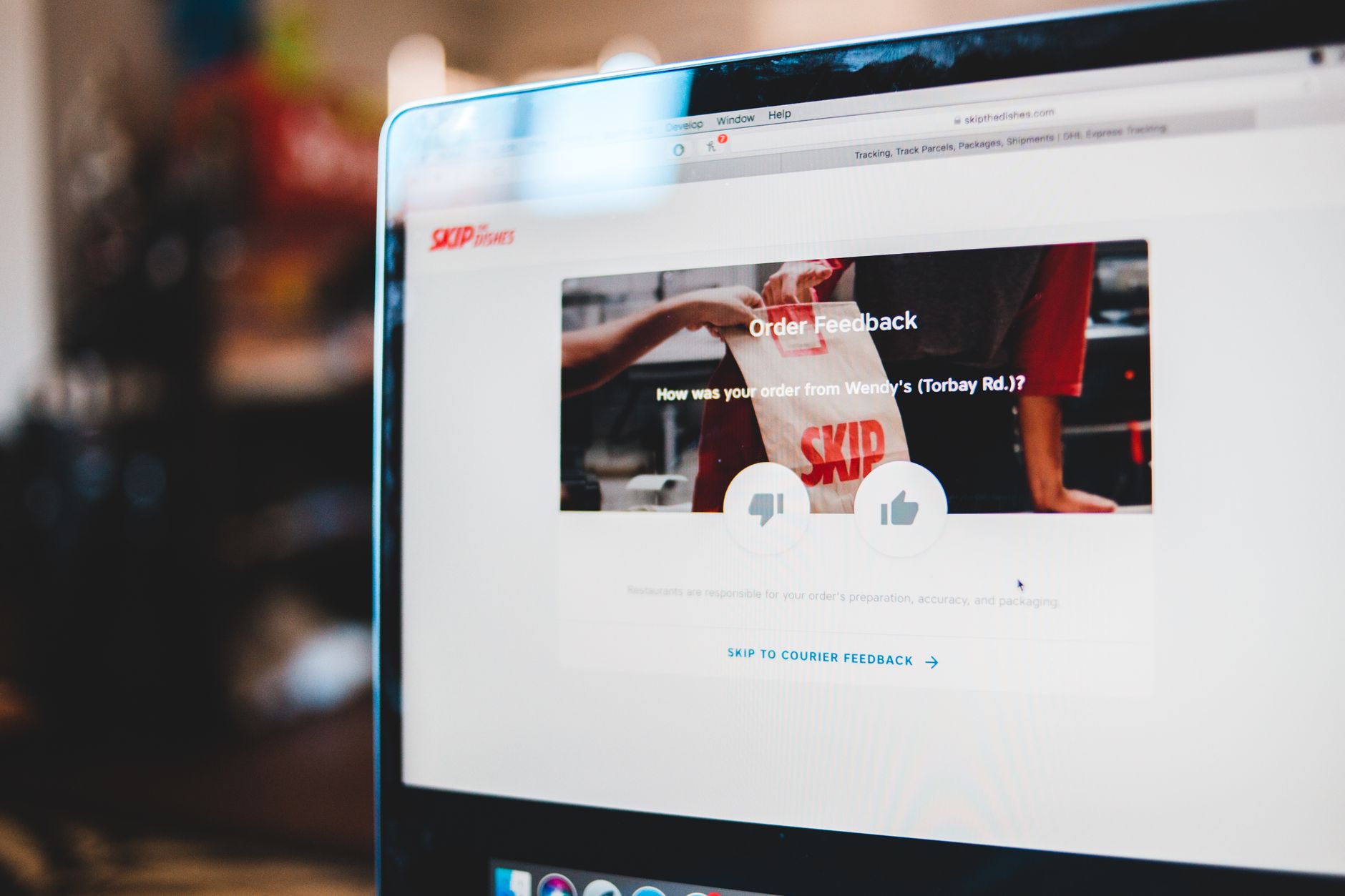
Make it easy. Send a follow-up text or email with a direct link to your Google review page. Remove every possible step between the customer’s intention and the action. The fewer clicks, the more reviews.
Aim for consistency over volume. Five new reviews a month is more valuable than fifty reviews that came in three years ago, because recency signals to both customers and search engines that your business is active and trustworthy.
Step 3: Respond to Every Review, Good and Bad
Responding to reviews is one of the highest-leverage activities available to a small business owner. It costs nothing but a few minutes of time, and it accomplishes several things at once.
When you respond to a positive review, you reinforce the relationship with that customer, show prospective customers that you’re engaged and appreciative, and signal to search engines that your profile is active.
When you respond to a negative review, you do something even more powerful: you demonstrate professionalism to every future customer reading that exchange. Nobody expects perfection. People do expect accountability.
When responding to negative reviews, follow these principles:
- Respond within 24 to 48 hours. Don’t let it sit.
- Acknowledge the customer’s experience without being defensive.
- Offer to make it right offline. Include a phone number or email.
- Keep it brief. Long defensive responses look worse than the original complaint.
- Never argue, even if the review is unfair or factually wrong.
A well-handled negative review can actually improve your reputation. Customers who see a business owner respond thoughtfully often trust the business more, not less, because it signals that problems get resolved.
Step 4: Build a Presence on the Right Platforms
You can’t be everywhere, and you shouldn’t try. Focus on the platforms where your customers actually spend time and make decisions.
For most local businesses, that’s Google. Full stop. Your Google Business Profile is the single most important piece of your online presence, and it should be treated accordingly: updated hours, fresh photos, active Q&A, and regular posts.
Beyond Google, the right platforms depend on your industry:
- Yelp matters most for restaurants, retail, and service businesses in major metros
- Facebook reviews are important for businesses whose customers skew older or more community-focused
- LinkedIn is essential if you’re a B2B service provider or consultant
- Industry directories carry significant weight in specialized fields like legal, medical, real estate, and home services
Pick two or three platforms to actively maintain and focus your energy there. A well-maintained presence on a few platforms beats a neglected presence everywhere.
Step 5: Create Content That Reinforces Your Expertise
Reputation isn’t just reviews. It’s also what comes up when someone digs a little deeper.
A potential client who Googles your name and finds a well-maintained website, some helpful articles, a few press mentions, and an active social presence is going to have a very different impression than someone who finds nothing at all, or worse, one bad Yelp review from 2021.
You don’t need to become a full-time content creator. But publishing one piece of genuinely useful content per month, whether that’s a blog post, a short video, a case study, or an FAQ, builds a body of work that signals expertise and authority over time.
This is also where your personal brand intersects with your business reputation. As a small business owner, people are often buying you as much as they’re buying your product or service. Building a personal brand that reinforces your business’s values is one of the smartest long-term reputation investments you can make. We’ve written about building your personal brand as a business owner if you want to go deeper on that strategy.
Step 6: Monitor Your Reputation Consistently
Reputation management isn’t a one-time project. It’s an ongoing process. You need a system for knowing what’s being said about your business so you can respond quickly and spot patterns before they become problems.
At a minimum, set up Google Alerts for your business name. It’s free, takes five minutes to set up, and will notify you any time your business is mentioned online. For more robust monitoring, tools like Mention, Brand24, or ReviewTrackers aggregate reviews and mentions across platforms in one dashboard.
Check your reviews across platforms at least weekly. Look for emerging patterns, multiple customers mentioning the same complaint is a signal that something in your operations needs attention, not just in your review responses.
The data hiding inside your customer feedback is some of the most valuable business intelligence you’ll ever access. Use it that way.
Step 7: Know How to Handle a Reputation Crisis
Even the best-run businesses face reputation challenges. A disgruntled former employee posts a rant, a misunderstanding goes public, a product batch goes wrong and customers are vocal about it. These moments feel catastrophic in the moment, but how you respond almost always matters more than what happened.
When a reputation crisis hits:
- Respond quickly, but don’t react emotionally. Take a breath before you type.
- Acknowledge the issue publicly and move the resolution offline.
- Communicate proactively with loyal customers before they hear about it from elsewhere.
- Document everything in case legal action becomes relevant.
- Focus on generating fresh positive content and reviews in the aftermath to push negative results down in search.
The FTC has clear guidelines about what businesses can and cannot do when managing online reviews, including rules around incentivizing reviews and responding to competitors. Familiarize yourself with the FTC’s endorsement and review guidance so your reputation management practices stay above board.
The Bottom Line
Your online reputation is not something that happens to you. It’s something you build, one interaction at a time. Ask for reviews. Respond to every one. Show up consistently on the platforms that matter. Create content that demonstrates your expertise. Monitor what’s being said and address problems early.
None of this requires a big budget or a marketing agency. It requires discipline and the understanding that trust, once built, is one of the most durable competitive advantages a small business can have.
Want more tools and strategies to grow your business? Join Hustler’s Library free and get access to the resources, guides, and community built for entrepreneurs who are serious about winning.
Ready to Know Where You Stand?
The Business Journey dashboard maps your exact position across all 13 stages. Track your progress, unlock resources for each step, and build with a framework used by thousands of founders at Hustler's Library.

No credit card required · Takes 3 minutes · Personalized to your stage