Harley-Davidson does not just sell motorcycles. It sells the version of yourself you have always wanted to be: free, rebellious, American, and belonging to something larger than yourself. The product is almost secondary.
That is not an accident. It is one of the most deliberate identity-branding strategies in corporate history, and it has kept a 120-year-old company relevant through recessions, cultural shifts, and existential demographic challenges. Understanding how Harley did it reveals something every founder needs to know about what brands actually sell.
The Near-Death and the Rebirth
By the early 1980s, Harley-Davidson was nearly dead. Japanese manufacturers, particularly Honda and Yamaha, were producing bikes that were more reliable, more affordable, and better engineered. Harley’s quality had deteriorated under AMF’s ownership. The brand was a punchline.
In 1981, a group of Harley executives led by Vaughn Beals bought the company back from AMF in a leveraged buyout. They did not just fix the motorcycles. They rebuilt the brand around a community, and that decision is what saved the company.
The HOG: Selling Belonging Before Selling a Bike
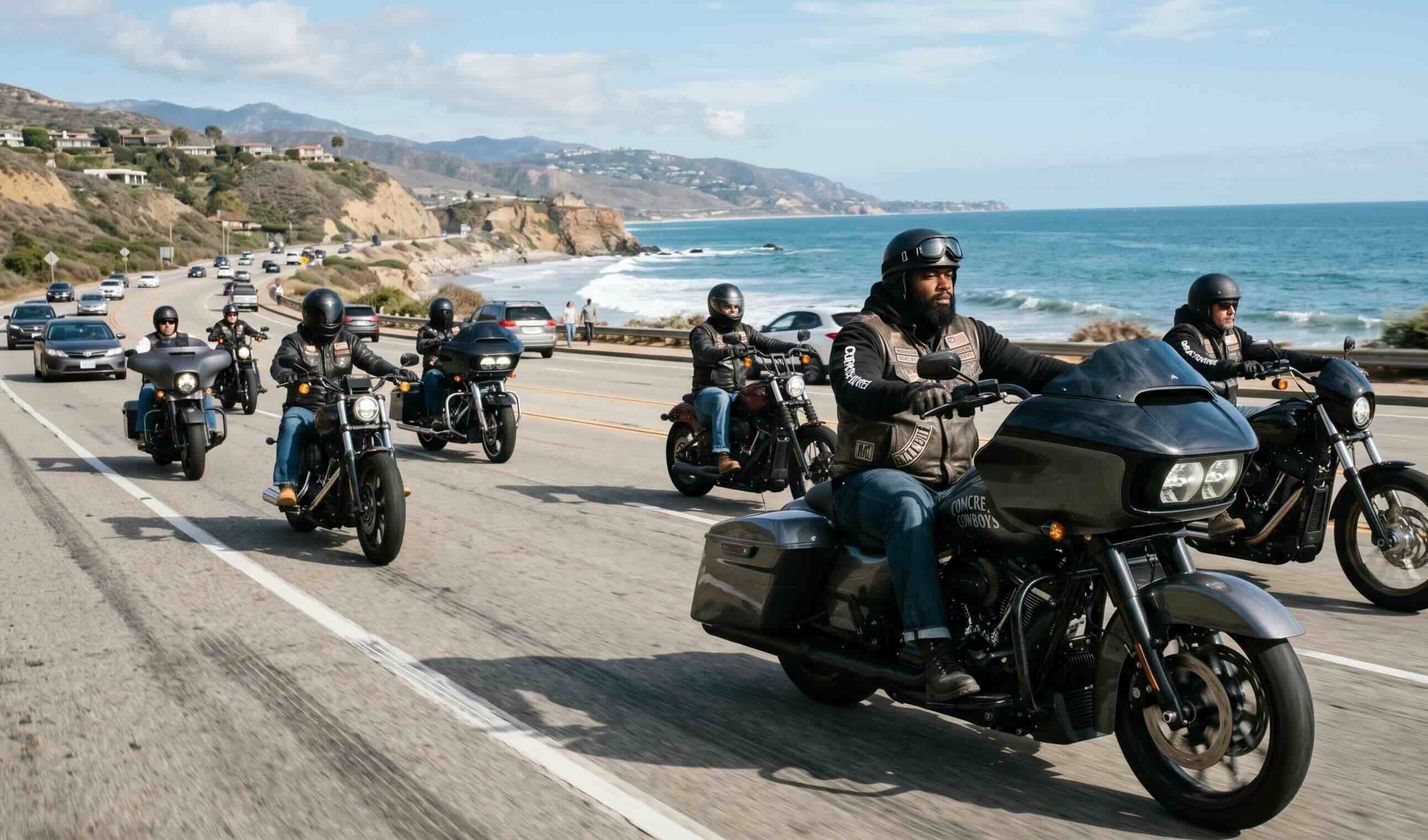
In 1983, Harley-Davidson launched the Harley Owners Group (HOG). The concept was simple and radical: buy a bike, join a tribe.
HOG gave members rally access, riding events, a magazine, roadside assistance, and most importantly, a social identity. It was not a loyalty program in the coupon-and-points sense. It was a community with rituals, language, insignia, and shared values.
By the 2000s, HOG had over one million members worldwide. It remains the largest factory-sponsored motorcycle club on the planet. And critically, many people joined HOG before they bought a bike. The belonging came first. The product followed.
This is the same playbook studied in our breakdown of how Lululemon sold an identity and built a $50B empire: before the product, there is the vision of who you become when you own it.
By the Numbers
- Founded: 1903 in Milwaukee, Wisconsin
- HOG members at peak: over 1 million worldwide
- Revenue 2023: approximately $5.8 billion
- Motorcycles sold annually: roughly 180,000-200,000 units
- Average Harley buyer age in 2023: approximately 50 years old
- Tattoo statistic: Harley-Davidson is reported to be the most tattooed brand logo in the world
- LiveWire (electric motorcycle brand): spun off as a separate public company in 2022
- International revenue: approximately 35-40% of total sales
The Tattoo Phenomenon: When Customers Brand Themselves
No brand metric captures loyalty the way a tattoo does. Customers do not permanently mark their bodies for products they merely like. They do it for identities they have fully adopted.
Harley-Davidson is widely cited as the most commonly tattooed brand logo in the world. That is not marketing. That is identity fusion: the customer has stopped seeing the brand as something external and has made it part of who they are.
Identity fusion is the psychological state where a person’s sense of self merges with a brand, community, or cause. It produces the highest possible level of brand loyalty because abandoning the brand would mean abandoning part of oneself.
Harley cultivated this deliberately. The bar-and-shield logo was designed to be tattoo-worthy. The rallies, the leather, the sound of the engine: every element was engineered to deepen identity investment, not just product satisfaction.
The Sound as a Competitive Moat
In 1994, Harley-Davidson actually attempted to trademark the distinctive potato-potato-potato rumble of its V-twin engine. The application was eventually abandoned after years of legal challenges from competitors. But the attempt illustrates how seriously the company treated sonic identity as intellectual property.
That sound is a trigger. It activates the identity. When a Harley rider hears it, they do not just hear an engine. They hear themselves.
This is brand architecture at its most sophisticated: building sensory triggers that reinforce identity independent of any advertising campaign.
The Demographic Crisis and the Strategic Pivot
Harley’s core problem heading into the 2020s is demographic. Its loyal customer base is aging out. The average buyer age of around 50 years old is not sustainable for a brand that needs new riders. And younger consumers, particularly millennials and Gen Z, are not rushing to buy heavyweight cruisers at $15,000 to $30,000 a pop.
Harley’s response has been multi-pronged:
The Electric Play: LiveWire
Harley spun off its electric motorcycle brand LiveWire as a separate public company in 2022. This was a smart structural move: it lets Harley maintain its heritage identity while giving the electric vehicle effort its own brand, culture, and investor base. You do not dilute a 120-year-old rebellious identity with a Tesla competitor. You build a separate lane.
Smaller and More Accessible Bikes
Harley has invested in smaller-displacement motorcycles aimed at newer riders and international markets, particularly Asia. The Pan America adventure bike targets a completely different rider profile than the traditional cruiser customer.
International Expansion
Markets like India, China, and Southeast Asia represent growth opportunities that do not carry the same cultural baggage as the aging US demographic. In these markets, a Harley is still aspirational in the way it was for American boomers in the 1970s.
What Harley Teaches About Brand Building
The conventional business model frames a brand as a signal about a product. Harley inverts this: the product is a signal about the brand, and the brand is a signal about you.
When you buy a Harley, you are not buying transportation. You are buying membership in a tribe, access to a self-image, and a set of rituals that connect you to other people who share your values. The motorcycle is the admission ticket.
This is why Harley can charge a premium that is difficult to justify on pure product terms. Competitors make bikes that are faster, more reliable, or cheaper. None of them can give you what Harley gives you: the specific identity that comes with the bar-and-shield.
If you are building a business and thinking about brand architecture, tools like Google Workspace can help you manage the collaboration and documentation that identity-building requires, especially as your team and community grow.
The same identity-selling mechanism is at work in brands like Manscaped, which did not just sell grooming products but sold a specific version of modern masculinity that customers were hungry to adopt.
Key Takeaways
- The most powerful brands sell belonging, not products. Harley’s community, HOG, and the entire cultural apparatus around the brand are the product. The motorcycle is just the entry point.
- Identity fusion is the highest form of brand loyalty. When customers tattoo your logo on their bodies, you have stopped being a brand and become an identity. That is extremely difficult to compete with on price.
- Sensory triggers reinforce identity without advertising. The sound, the look, the feel of a Harley all serve as identity triggers. Build sensory brand elements that work independent of your marketing budget.
- Demographic challenges require structural solutions. Harley’s LiveWire spin-off is the right move because it does not force a legacy identity to accommodate an incompatible audience. Separate the lanes.
- Community before product is a viable go-to-market strategy. HOG built belonging as a feature, not a reward. Customers who feel they belong before they buy convert faster and churn slower.
Sources & Further Reading
- Harley-Davidson Annual Reports, 2021-2023
- Harvard Business School Case Study: Harley-Davidson Motor Company (2000)
- Rich Teerlink and Lee Ozley, “More Than a Motorcycle: The Leadership Journey at Harley-Davidson” (2000)
- Bloomberg: “Harley-Davidson’s Existential Crisis” (2019)
- Wall Street Journal: LiveWire SPAC merger coverage, 2022
Want more breakdowns like this? Join Hustler’s Library free and get access to our full case study vault.
Ready to Know Where You Stand?
The Business Journey dashboard maps your exact position across all 13 stages. Track your progress, unlock resources for each step, and build with a framework used by thousands of founders at Hustler's Library.

No credit card required · Takes 3 minutes · Personalized to your stage