Texas is the second-largest state by both land area and economy in the United States. That scale is both a strength and a challenge for entrepreneurs. The state offers incredible opportunity, but “move to Texas” is not a complete strategy. Houston is not Dallas. Fort Worth is not San Antonio. Each city has a distinct economic identity, cost structure, talent pool, and industry ecosystem. Picking the wrong city can mean swimming upstream for years. Picking the right one can give your business a structural tailwind from day one.
This guide breaks down the five major Texas business cities, compares them by industry fit and cost, and gives you a clear decision framework. Whether you are relocating an existing business, launching a startup, or setting up a regional office, the city you choose matters more than most entrepreneurs realize.
Houston: Energy Capital and Diversified Economic Powerhouse
Houston is Texas’s largest city and one of the most economically complex metros in the United States. The city’s foundation is energy: Houston is home to more than 4,600 energy-related firms, including the U.S. headquarters of BP America, Shell, and Chevron Phillips Chemical. The Permian Basin and other major oil and gas fields are managed largely from Houston’s energy corridor along I-10.
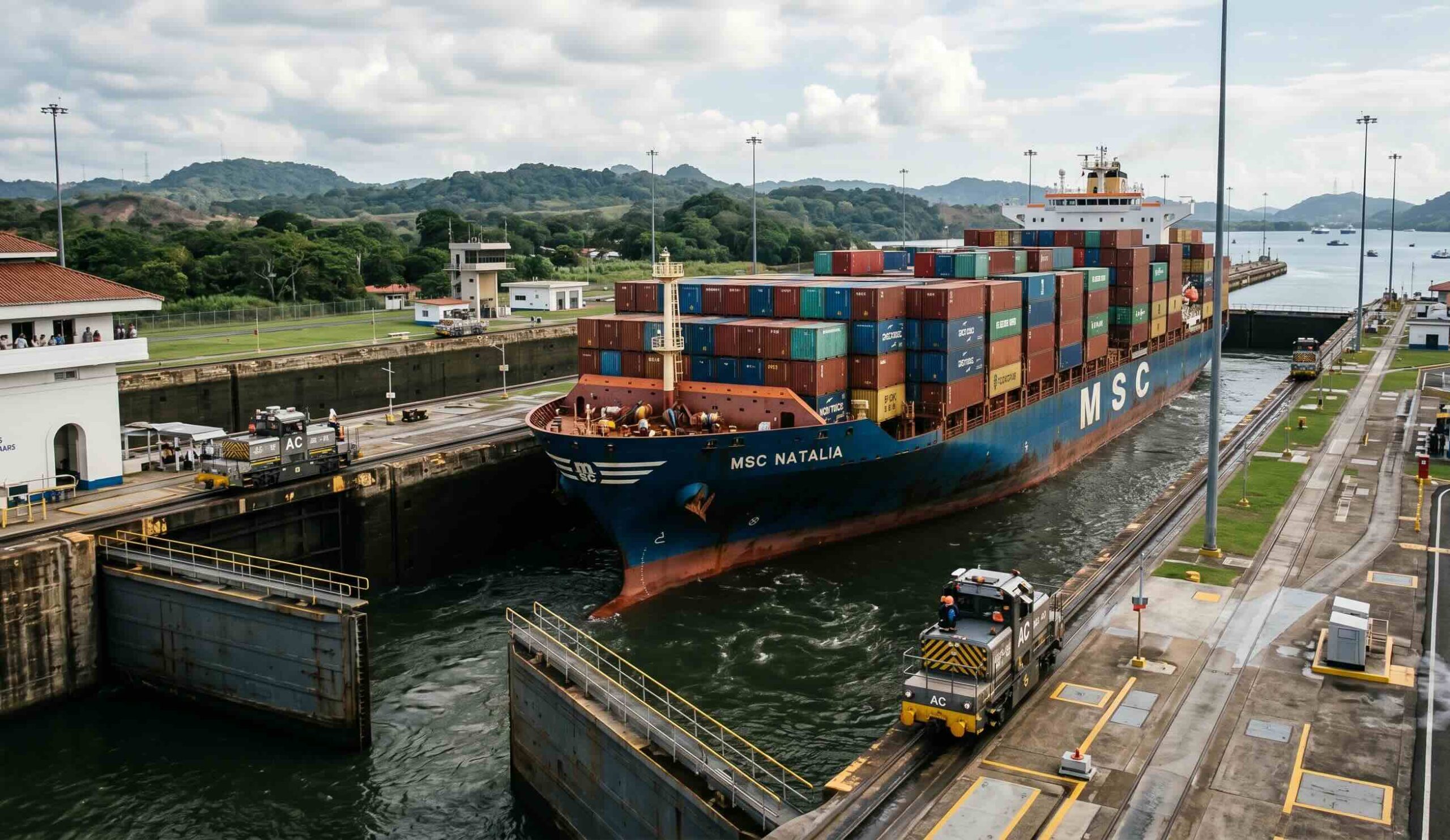
But Houston’s economy extends well beyond oil and gas. The Texas Medical Center, the world’s largest medical complex with over 60 institutions, makes Houston the dominant force in healthcare and biomedical research in the South. The Port of Houston handles more foreign tonnage than any other U.S. port. Aerospace activity around NASA’s Johnson Space Center creates a significant defense and aerospace contractor ecosystem in the southeast part of the metro.
Best for: Energy, oil and gas services, healthcare, biotech, maritime and logistics, aerospace, international trade.
Key advantages: Deep industry networks in energy and healthcare; a large and diverse workforce; strong port infrastructure; competitive commercial real estate costs outside the core downtown.
Key considerations: Traffic and geography (Houston is sprawling and lacks a strong central business core); humidity and flooding risk; energy sector volatility can affect the broader economy during oil price downturns.
Read the full doing business in Houston guide for formation steps, funding sources, and city-specific resources.
Dallas: Tech, Finance, and the Corporate Headquarters Capital
Dallas is the business capital of Texas in terms of corporate density. The Dallas-Fort Worth metroplex is home to more Fortune 500 company headquarters than any metro area outside of New York. AT&T, American Airlines, ExxonMobil, Texas Instruments, McKesson, and dozens of other major corporations are headquartered here. That concentration of corporate activity creates enormous downstream opportunity for professional services, technology vendors, and B2B businesses of every kind.
Dallas has also emerged as a major technology hub. The telecom legacy of AT&T created a deep technology talent pool that now supports a broad range of software, cybersecurity, and fintech companies. The city’s financial services sector is substantial, with major regional banks, private equity firms, and wealth management operations clustered in the Uptown, Knox-Henderson, and downtown districts.
Best for: B2B technology, SaaS, finance, professional services, telecommunications, corporate services, consulting.
Key advantages: Largest concentration of corporate HQ relationships in Texas; world-class airport (DFW) with direct routes to virtually every major city; strong professional services ecosystem; rapidly developing tech startup scene in neighborhoods like Deep Ellum and Uptown.
Key considerations: Higher commercial real estate costs than Fort Worth or San Antonio; competitive talent market with large employers driving up salaries; traffic congestion in the core.
Read the full doing business in Dallas guide for a complete breakdown of formation, incentives, and local resources.
Fort Worth: Aerospace, Defense, and Logistics
Fort Worth often gets overshadowed by its larger neighbor to the east, but entrepreneurs who dig into the numbers find a city with powerful structural advantages for specific industries. Fort Worth is home to Lockheed Martin’s largest production facility, where the F-35 fighter jet is assembled. Bell Helicopter, a division of Textron, is headquartered in Fort Worth. American Airlines, one of the world’s largest carriers, has its headquarters at DFW Airport just east of the city. BNSF Railway, one of the largest freight rail networks in North America, is headquartered in Fort Worth.
This industrial mix creates a dense aerospace, defense, and logistics ecosystem that is difficult to replicate. If your business serves any of these industries directly or indirectly, Fort Worth’s supplier and contractor network offers access that would cost far more to build from scratch in another city.
Fort Worth also offers meaningful cost advantages over Dallas: lower commercial real estate costs, lower average wages in many sectors, and a generally lower cost of doing business while still having access to the full DFW market.
Best for: Aerospace manufacturing, defense contracting, logistics and freight, aviation services, industrial manufacturing.
Key advantages: Deep aerospace and defense supply chain; lower costs than Dallas proper; DFW Airport access; BNSF and major highway intersection for distribution; strong workforce training programs through Tarrant County community colleges.
Key considerations: Smaller standalone professional services market than Dallas; less startup ecosystem development; more industrial than corporate in character.
Read the full doing business in Fort Worth guide for registration steps, funding programs, and local business resources.
Austin: Tech Capital and Startup Ecosystem
Austin is the fastest-growing major city in the US and the clear choice for tech founders, SaaS companies, and creative businesses. The city’s combination of UT Austin talent, aggressive venture capital activity, and a culture that attracts out-of-state founders has created a startup ecosystem rivaling San Francisco at a fraction of the cost. Oracle, Dell, Apple, Tesla, and Meta all have major Austin presences. The tradeoff: Austin’s cost of living and commercial real estate prices have risen sharply, making it less attractive for capital-intensive brick-and-mortar businesses. For tech, professional services, and creative businesses, Austin is hard to beat. Read our full Austin guide.
San Antonio: Military, Healthcare, and a Growing Tech Scene
San Antonio is Texas’s second-largest city by population and one of the most distinct in terms of economic character. The city hosts five major military installations: Joint Base San Antonio (the largest in the U.S.), Randolph Air Force Base, Lackland, Fort Sam Houston, and Camp Bullis. This federal government concentration drives significant spending in defense contracting, cybersecurity, healthcare, and logistics services.
San Antonio has also emerged as a growing cybersecurity hub, fueled by the military’s extensive cyber operations at JBSA and the presence of the National Security Agency’s Texas Cryptologic Center. Several cybersecurity firms have established San Antonio operations specifically to access this federal talent pipeline.
Healthcare is a major economic driver as well, with University Health System and Methodist Healthcare System providing significant employment and anchoring a biomedical research ecosystem. Tourism rounds out the economy, with the River Walk and historic missions drawing millions of visitors annually.
San Antonio offers the lowest cost structure of the four major Texas cities, making it particularly attractive for cost-conscious entrepreneurs, early-stage startups, and businesses where labor costs are a significant operational factor.
Best for: Cybersecurity, defense contracting, healthcare services, government contracting, hospitality and tourism, light manufacturing.
Key advantages: Lowest cost of living and doing business among Texas’s big four; strong federal contracting pipeline; growing cybersecurity sector; large bilingual workforce (valuable for businesses serving Latin American markets).
Key considerations: Smaller private-sector professional services market than Houston or Dallas; less developed startup ecosystem; fewer Fortune 500 HQ relationships.
Read the doing business in San Antonio guide for a full breakdown of local resources and formation steps.
How to Choose: Industry-by-Industry Breakdown
Use this framework to match your industry to the city where you will have the most structural advantages:
- Energy and natural resources: Houston. There is no substitute for the network density and talent depth here.
- Oil and gas services: Houston first; Midland/Odessa as a secondary option for Permian Basin proximity.
- B2B technology and SaaS: Dallas. The concentration of corporate headquarters creates a ready-made enterprise customer base.
- Fintech and financial services: Dallas. Major banks and financial institutions are deeply embedded in the city.
- Aerospace and defense: Fort Worth. Lockheed Martin and Bell create an unmatched supplier and contractor network.
- Defense cybersecurity: San Antonio. Federal government concentration makes this the Texas cybersecurity capital.
- Healthcare and biotech: Houston. The Texas Medical Center is in a category of its own.
- Logistics and distribution: Fort Worth or Dallas, depending on whether rail (Fort Worth) or air freight (DFW Airport) matters more.
- Tourism and hospitality: San Antonio or Austin. San Antonio has River Walk; Austin has SXSW and live music.
- Consumer retail: Dallas or Houston. Largest population centers with highest household incomes.
- Government contracting: San Antonio, with secondary options in Houston (NASA) and Fort Worth (Lockheed).
Cost of Living and Cost of Business by City
Texas is broadly more affordable than coastal metros, but costs vary significantly across the four cities. Here is how they stack up on key metrics (approximate 2025-2026 figures):
| Metric | Houston | Dallas | Fort Worth | San Antonio |
|---|---|---|---|---|
| Median Home Price | ~$315K | ~$390K | ~$310K | ~$280K |
| Class A Office ($/sq ft/yr) | ~$35-45 | ~$40-55 | ~$28-38 | ~$25-35 |
| Avg. Software Engineer Salary | ~$105K | ~$115K | ~$100K | ~$95K |
| Overall Cost of Living Index | 97 (US avg = 100) | 103 | 95 | 91 |
| State Income Tax | None | None | None | None |
Note: Figures are approximate and vary by submarket. Commercial real estate rates depend heavily on specific district and building class.
The key takeaway: all four cities are more affordable than comparable-tier cities in California, New York, or the Pacific Northwest. The differences within Texas are real but not dramatic. Industry fit and network access should drive your city decision more than cost differentials unless your business is extremely labor-cost sensitive.
Want the full breakdown for each city? Hustler’s Library has city-specific guides covering formation, funding, legal resources, and opportunity zones for Houston, Dallas, Fort Worth, San Antonio, and Austin. Join Hustler’s Library free and get access to the complete Texas business resource library.