
What Are Opportunity Zones?
Opportunity Zones are federally designated census tracts created to accelerate economic development and job creation in underserved communities across the United States. According to the U.S. Department of Housing and Urban Development (HUD), these zones were established under the 2017 Tax Cuts and Jobs Act to encourage both public and private investment in neighborhoods with strong potential for long-term growth.
In plain terms, they function as growth corridors — areas positioned for revitalization through small business expansion, infrastructure improvements, and community-driven innovation. For local founders and entrepreneurs, Opportunity Zones often mark the starting line for the next wave of urban and regional transformation.
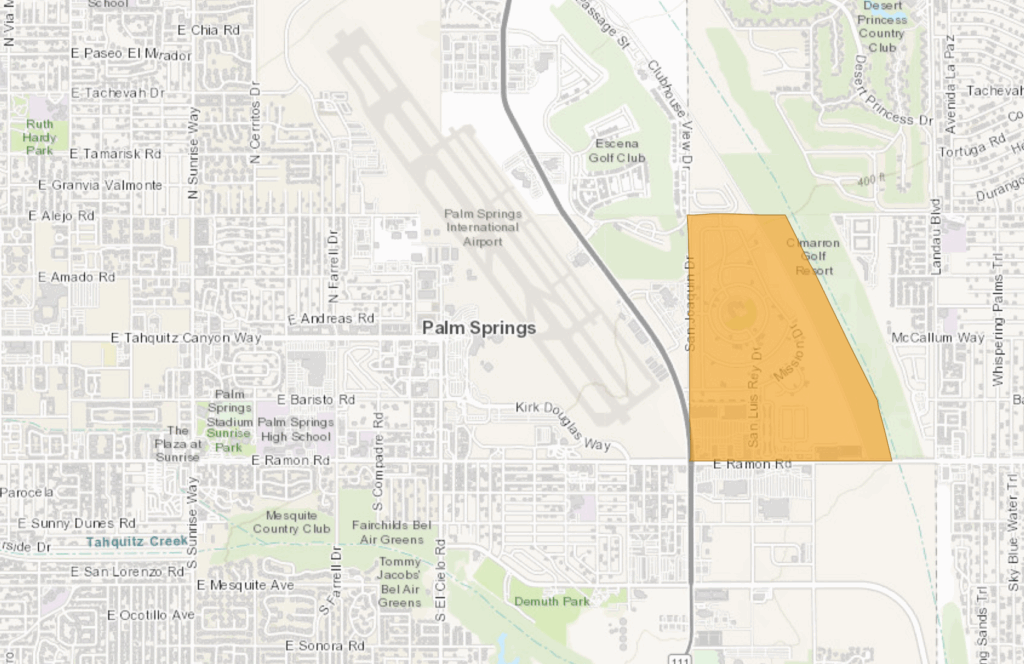
Palm Springs’ Designated Opportunity Zones
Palm Springs itself is part of a larger Riverside County landscape that includes several officially designated Opportunity Zones. These zones are concentrated in specific census tracts within and around Greater Palm Springs, reflecting neighborhoods with strong potential for economic mobility, commercial redevelopment, and community reinvestment.
As shown on the HUD Opportunity Zone Map, designated areas in the region often overlap with transitional commercial corridors, light industrial zones, and mixed-use districts that support tourism, residential growth, and service-based businesses.
Key Opportunity Zone clusters in the Greater Palm Springs area typically include:
- Commercial corridors undergoing revitalization
- Areas supporting hospitality-adjacent services
- Light industrial and logistics-friendly zones
- Mixed-use districts positioned for long-term redevelopment
Each of these areas reflects Palm Springs’ commitment to balanced growth, blending entrepreneurial opportunity with community benefit.
Why Opportunity Zones Matter for Local Businesses
Opportunity Zones aren’t only for investors — they act as catalysts for local business development. As outlined by HUD and reinforced by California’s economic development agencies, these areas are designed to align public initiatives, private partnerships, and small business activity.
Businesses operating within or adjacent to Opportunity Zones may benefit from:
- Improved infrastructure, as redevelopment brings upgrades to roads, utilities, and broadband access
- More accessible commercial space, helping startups and service-based businesses establish roots without excessive overhead
- Local and regional support programs, coordinated at the city, county, and state levels
- Community collaboration, where planners, business owners, and developers work together to support sustainable growth
In short, Opportunity Zones can make it easier for founders to position themselves where growth and demand converge, particularly in industries that align with the Palm Springs economy.
The Future of Growth in Palm Springs’ Opportunity Zones
As Palm Springs continues to evolve beyond its traditional tourism roots, Opportunity Zones are increasingly supporting diverse, business-friendly ecosystems. According to California and regional economic development guidance, projects within these tracts often emphasize infrastructure improvements, service-sector growth, and small business sustainability.
From revitalized commercial corridors to modernized light industrial areas supporting logistics and regional services, Opportunity Zones play a quiet but meaningful role in shaping the future of Greater Palm Springs. Importantly, these efforts extend beyond physical development — they contribute to workforce access, long-term employment, and economic resilience.
The result is a Palm Springs business environment that values community, stability, and sustainable growth alongside innovation.
Explore More Business Resources in Palm Springs
If you’re looking to build, expand, or scale your business in Palm Springs, Hustler’s Library offers practical, locally focused guides designed to help you move strategically through the Greater Palm Springs business ecosystem.
Business owners can start by reviewing Palm Springs tax and financial services, which outlines local accounting, bookkeeping, and financial planning resources available to entrepreneurs operating in the area. For legal considerations, our guide to Palm Springs business lawyers breaks down when to involve legal counsel and what types of attorneys commonly support small businesses in the region.
For a broader, end-to-end perspective, our Doing Business in Palm Springs: A Complete Guide serves as a central hub covering regulations, local culture, and economic considerations unique to the area. Entrepreneurs looking for flexible work environments can explore coworking spaces in Palm Springs, which highlights shared offices, creative studios, and founder-friendly spaces across the city.
Beyond infrastructure, Hustler’s Library also covers lifestyle-driven business insights, including the best coffee shops in Palm Springs for entrepreneurs, where founders often meet clients, work remotely, or network informally. If you’re still refining your business idea, our breakdown of the most popular side hustles in Palm Springs right now provides insight into what’s working locally.
Finally, for founders considering expansion or relocation, our guide to the best cities near Palm Springs for starting a business explores nearby markets that complement Palm Springs’ economy and offer additional growth opportunities.
Together, these resources help entrepreneurs understand not just how to operate in Palm Springs, but where opportunity is forming across the region.
Final Thoughts
Palm Springs has always balanced preservation with progress — and Opportunity Zones are part of how that balance is maintained. As these neighborhoods evolve, they’re not just attracting development; they’re supporting local entrepreneurship, small business resilience, and community stability.
For founders and business owners, understanding Opportunity Zones isn’t about incentives alone — it’s about recognizing where the region’s economic heartbeat is gradually shifting.
The future of Palm Springs isn’t being built only on tourism — it’s being built in the neighborhoods shaped by thoughtful, long-term opportunity.
Palm Springs Opportunity Zone FAQ
Opportunity Zones are low-income census tracts nominated by individual states and approved by the U.S. Treasury. They are selected based on economic indicators and their potential to support inclusive, long-term growth.
California contains hundreds of designated Opportunity Zones statewide, including multiple zones across greater Palm Springs and Riverside County.
Not at all. While investors may participate through specialized structures, local entrepreneurs, small business owners, and operators play a central role in these areas through business creation, local hiring, and community engagement.
More details are available through HUD’s Opportunity Zones Portal and California’s state and regional business development resources.