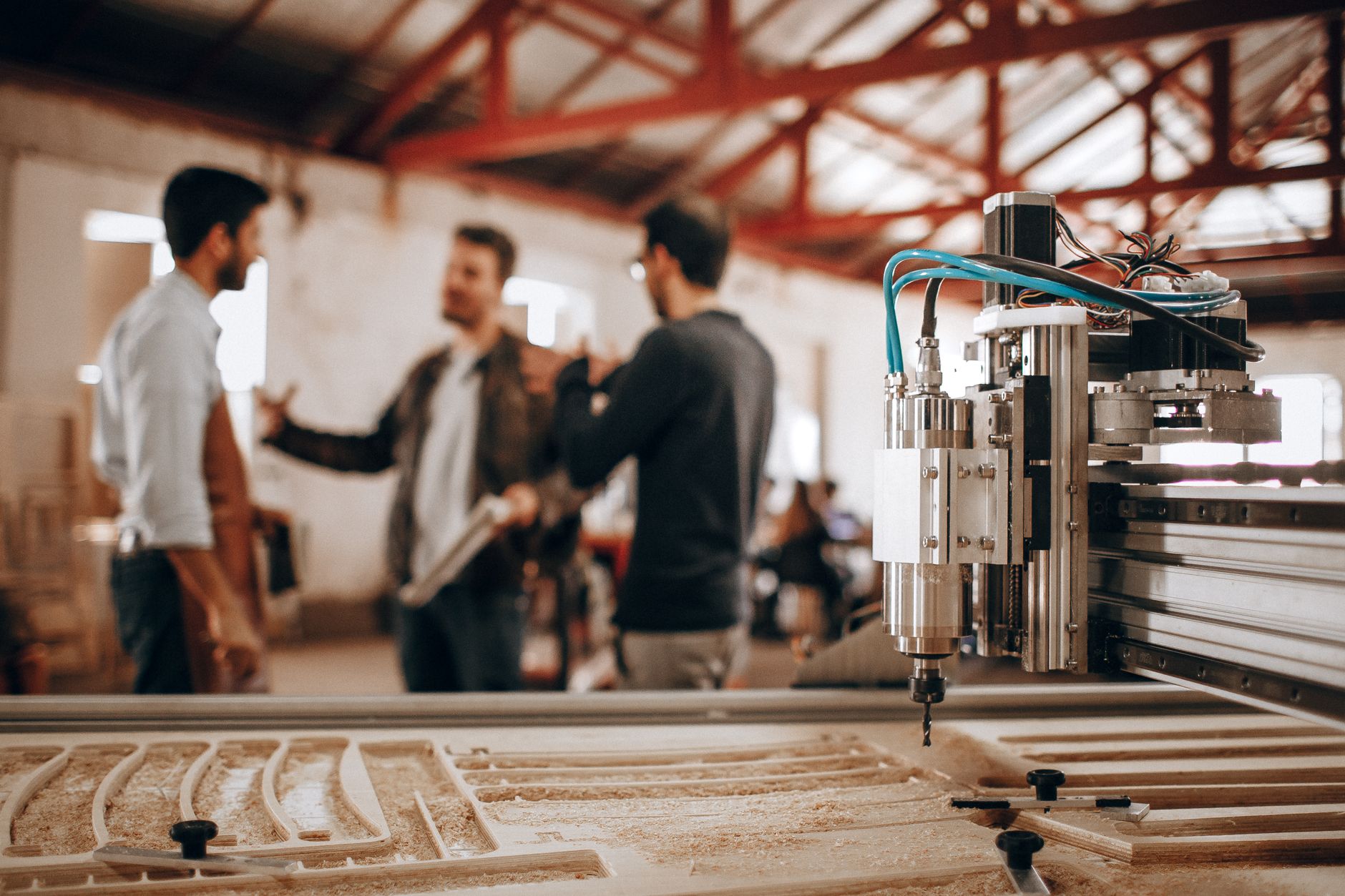
Every small business owner eventually hits a wall: you need better equipment to grow, but you don’t have the cash sitting around to buy it outright. Whether it’s a commercial oven, a delivery van, a CNC machine, or a fleet of laptops for new hires, the right equipment can make or break your ability to scale. That’s where equipment financing comes in.
Equipment financing is one of the most practical, underused tools available to small business owners. Unlike other types of funding, it’s specifically designed to help you acquire the assets you need without draining your operating cash. Here’s everything you need to know about how it works and how to use it strategically.
What Is Equipment Financing?
Equipment financing is a type of funding specifically used to purchase or lease business equipment. The equipment itself serves as collateral, which generally makes it easier to qualify for than unsecured business loans. You get the equipment now and pay for it over time, usually through fixed monthly installments.
There are two main forms:
- Equipment loans: You borrow money to purchase the equipment outright. Once you pay off the loan, you own the asset free and clear. The equipment is collateral, so lenders tend to offer reasonable rates.
- Equipment leases: You pay to use the equipment over a set period. At the end of the lease, you typically have the option to buy it, renew the lease, or return it. This keeps monthly costs lower and makes it easier to upgrade as technology changes.
Choosing between a loan and a lease depends on how long you expect to use the equipment, whether it depreciates quickly, and how important cash flow is to your day-to-day operations.
Why Equipment Financing Makes Sense for Small Businesses
Spending $50,000 cash on a piece of equipment is something most small businesses simply can’t absorb. Even if you could, deploying that much capital on a single asset might leave you without a cushion for payroll, marketing, or unexpected expenses. Equipment financing lets you spread that cost over time while keeping your working capital intact.
There are a few other advantages worth knowing:
- Fast approvals: Because the equipment secures the loan, many lenders can approve and fund equipment financing in 24 to 72 hours. That’s significantly faster than most traditional business loans.
- Predictable payments: Fixed monthly payments make budgeting straightforward. You know exactly what you owe each month, which helps with financial forecasting.
- Tax benefits: Under Section 179 of the IRS tax code, many businesses can deduct the full cost of financed equipment in the year it’s placed in service, rather than depreciating it over several years. This can significantly reduce your tax liability.
- Preserves credit lines: Using equipment financing instead of a business line of credit means your line stays available for true emergencies or short-term cash needs.
For a deeper look at how to manage the capital side of your business, check out this guide on using invoice factoring to unlock cash for your small business.
What Qualifies as Equipment?
The definition of “equipment” is broader than most people think. Lenders generally finance any tangible asset your business uses to generate revenue. That includes:
- Manufacturing machinery and production tools
- Restaurant and commercial kitchen equipment
- Medical and dental equipment
- Construction vehicles, trailers, and heavy machinery
- IT infrastructure, computers, and servers
- Office furniture and fixtures
- Agricultural equipment
- Vehicles used for business purposes
The key question lenders ask is whether the equipment has resale value. High-value, long-lasting assets are easiest to finance. Custom or highly specialized gear that has limited resale value may be harder to get approved for, or may require a larger down payment.
How to Qualify for Equipment Financing
Equipment financing is generally more accessible than traditional business loans, but lenders still evaluate your creditworthiness. Here’s what most will look at:
- Credit score: Many equipment lenders work with borrowers who have scores as low as 600, though better rates go to those above 650 or 700. Some lenders specialize in financing for newer businesses or lower scores.
- Time in business: Lenders prefer businesses that have been operating for at least one to two years. Startups may need to put more money down or work with specialized lenders.
- Revenue and cash flow: Lenders want to see that your business generates enough revenue to cover the monthly payments. Be ready to provide three to six months of bank statements.
- Down payment: Many equipment loans require 10 to 20 percent down, though some lenders offer 100 percent financing on strong applications.
If your credit is on the lower end, consider trade credit strategies to build your financial track record before applying for equipment financing.
Where to Find Equipment Financing
You have more options than you might think:
- Banks and credit unions: Traditional lenders often offer competitive interest rates, especially if you have an existing relationship. The application process tends to be more thorough but worth it for the rates.
- Online lenders: Companies like Balboa Capital, Crest Capital, and Taycor Financial specialize in equipment financing. They offer fast approvals and flexible terms, though rates may be slightly higher than banks.
- Equipment manufacturers and dealers: Many vendors offer in-house financing or work with preferred lenders. This is often the fastest path, and you may be able to negotiate promotional rates.
- The SBA: The SBA 504 Loan Program is specifically designed for major fixed assets, including equipment. It offers long repayment terms and competitive rates, and is worth exploring for larger purchases.
- USDA and other government programs: If you’re in a rural area or specific industries like agriculture or manufacturing, there may be additional government-backed financing options available.
Loan vs. Lease: How to Decide
This is the most common decision point for business owners. Here’s a practical framework:
Choose a loan (buy) if:
- The equipment has a long useful life (10+ years)
- You want to build equity in a depreciable asset
- The technology is stable and unlikely to become obsolete
- You want to take the Section 179 deduction this tax year
Choose a lease if:
- The equipment has a short useful life or gets outdated quickly (technology, medical devices)
- Keeping monthly payments as low as possible is the priority
- You prefer to upgrade equipment regularly without dealing with resale
- Your business is newer and you want to conserve capital
There’s no universal right answer. Run the numbers for your specific situation and consider talking to your accountant before committing.
Mistakes to Avoid
Equipment financing is a strong tool, but there are a few traps to watch for:
- Overborrowing: Just because you can finance $100,000 in equipment doesn’t mean you should. Only finance what you need to grow, and make sure the monthly payment fits comfortably in your budget even during a slow month.
- Ignoring total cost: Always calculate the full cost of ownership over the loan term, not just the monthly payment. A low payment stretched over seven years may cost significantly more than a higher payment over three.
- Skipping the fine print on leases: Operating leases often have mileage caps, usage restrictions, and end-of-lease fees. Read the terms carefully before signing.
- Financing depreciating assets on long terms: Financing a computer system over five years when it’ll be outdated in two is a bad deal. Match the loan term to the useful life of the equipment.
For guidance on making smarter financial decisions overall, see how to use financial forecasting to plan for growth in your small business.
A Simple Approach to Getting Started
If you’re ready to explore equipment financing, here’s a practical starting point:
- Know what you need and why. Be specific about which piece of equipment, how it will generate revenue or reduce costs, and what the ROI looks like over 12 to 36 months.
- Check your credit and financials first. Pull your business credit report and have your bank statements and tax returns ready. Know your numbers before you start talking to lenders.
- Get quotes from at least three sources. Compare rates, terms, down payment requirements, and any fees. Don’t take the first offer.
- Involve your accountant. Tax implications, depreciation schedules, and lease vs. buy decisions all have accounting implications. Get the right advice before signing.
- Start smaller if needed. If you’re newer to equipment financing, starting with a smaller purchase builds your track record and makes it easier to get approved for larger amounts later.
The Bottom Line
Equipment financing isn’t complicated, but it is a commitment. The best use of it is strategic: acquiring the specific tools that directly drive more revenue or unlock growth you couldn’t achieve otherwise. Done right, it lets you grow without gutting your cash reserves.
Small business owners who know how to use financing as a lever, rather than a crutch, tend to scale faster and with less stress. Equipment financing is one of the more straightforward ways to do exactly that.
Ready to level up your business knowledge? Join Hustler’s Library free and get access to the tools, guides, and resources serious small business owners rely on.
Ready to Know Where You Stand?
The Business Journey dashboard maps your exact position across all 13 stages. Track your progress, unlock resources for each step, and build with a framework used by thousands of founders at Hustler's Library.

No credit card required · Takes 3 minutes · Personalized to your stage