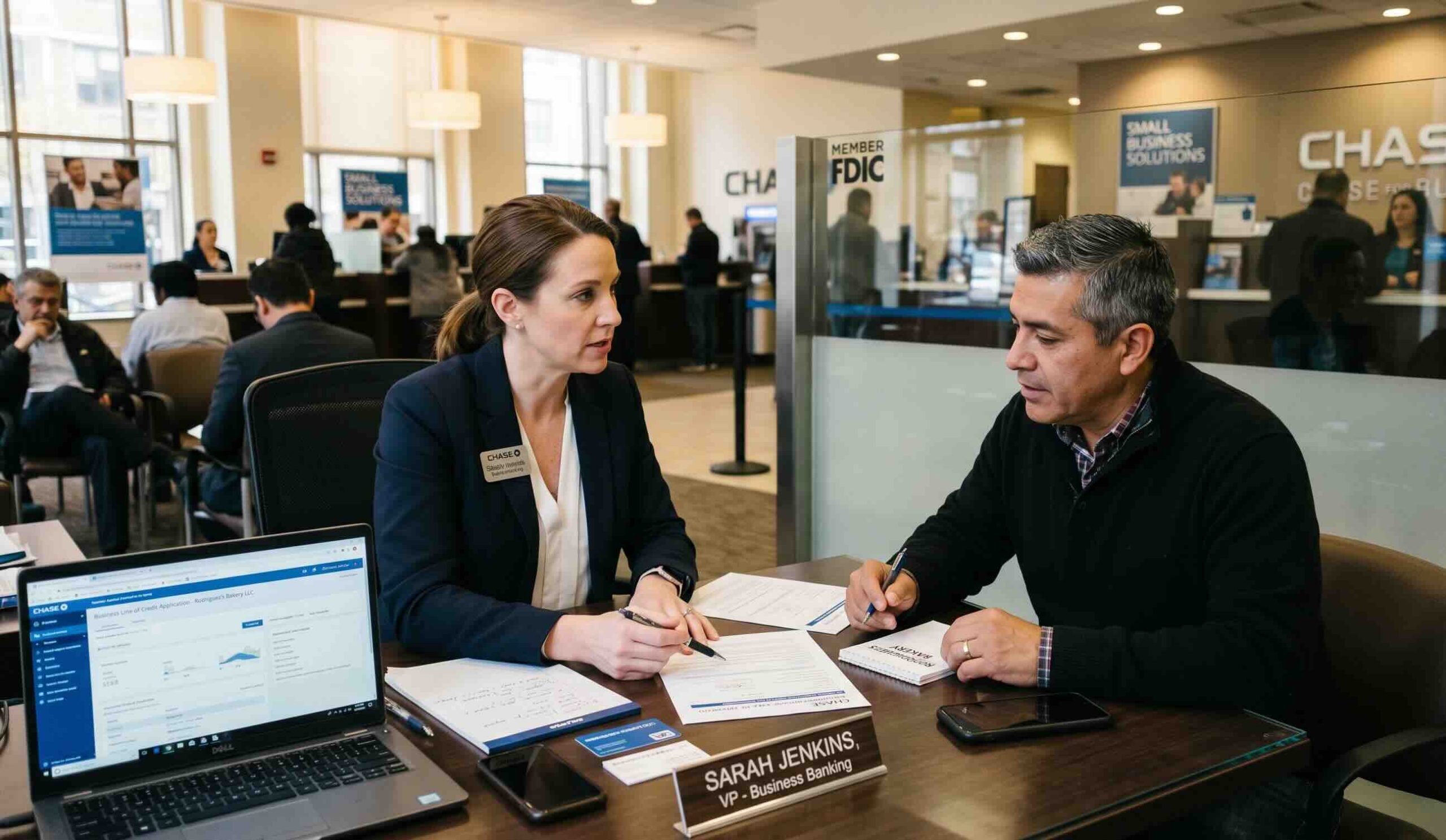
There is a business strategy that costs almost nothing, works in every industry, and turns buyers into believers. It does not require a massive ad budget or a viral moment. It just requires that you teach your customers something useful.
Customer education is the practice of proactively sharing knowledge, skills, and information that helps your customers get more value from what they buy from you. Done right, it builds trust, reduces friction, increases loyalty, and directly grows your revenue. Done wrong, it is just noise. This guide will show you how to do it right.
Why Customer Education Works
Most small business owners think their job ends at the sale. You sold the product, collected the money, and moved on. But that thinking leaves serious money on the table.
When customers understand how to use what they bought, they use it more. When they use it more, they see better results. When they see better results, they come back. They spend more. They tell their friends. And critically, they stop asking for refunds.
Research from the TSIA (Technology Services Industry Association) consistently finds that educated customers renew at higher rates, buy more add-ons, and generate more referrals than customers who receive no education. While this research skews toward software companies, the principle applies to every business that sells anything with a learning curve or ongoing use.
Think about the last time a business taught you something genuinely useful. A mechanic who explained exactly what was wrong with your car in plain English. A restaurant owner who walked you through the menu and why certain dishes pair together. A consultant who gave you a free audit before asking for the sale. You trusted those people more, right? You were more likely to come back.
That is customer education in action. And you can build it into your business systematically.
Step 1: Map What Your Customers Need to Know
Before you create any content or program, you need to understand where your customers get confused, frustrated, or stuck. These are your education opportunities.
Start by listing the most common questions your customers ask before buying, right after buying, and during ongoing use. Pull from your support tickets, your sales calls, your reviews, and your own gut instinct. If you hear the same question three times, that is a content brief.
For a plumber, it might be: how do I know when a pipe needs replacing vs. just repairing? For a bookkeeper, it might be: what records do I actually need to keep and for how long? For a personal trainer, it might be: how do I adjust my workout when I am traveling?
Group these questions into three buckets: pre-purchase questions (help them decide), onboarding questions (help them start), and ongoing questions (help them succeed long-term). Each bucket needs different content and different delivery methods.
Step 2: Choose Your Education Formats
Customer education does not have to mean building a full online course or hiring a curriculum designer. It can be as simple as a one-page FAQ sheet or a short video. The format should match how your customers prefer to learn and where they already spend time.
Here are the most effective formats for small businesses:
How-to guides and tip sheets
A one or two-page PDF that answers a specific question. Send it with every purchase, post it on your website, or hand it out at the point of sale. Low cost to produce, high perceived value.
Short videos
A two to five minute video walking customers through a common task or showing them how to get the most out of your product or service. You can film this on a smartphone. Post it on YouTube and link to it in your onboarding communications. Customers who watch a how-to video are less likely to return the product or cancel the service.
Live Q&A sessions or workshops
Monthly or quarterly events, either in person or online, where customers can ask questions and learn directly from you or your team. These work especially well for service-based businesses and any product with a meaningful learning curve.
Onboarding sequences
A structured series of touchpoints in the first days or weeks after a purchase. This could be an email series, a series of text messages, or a welcome packet. The goal is to guide customers through the experience, answer questions before they are asked, and set them up for success.
In-person education at the moment of sale
Training a customer face-to-face right when they buy. A hardware store employee demonstrating how to use a tool. A skincare rep walking through a morning routine with a new product. A personal chef explaining how to store and reheat the meals they just delivered. This is free to provide and has an enormous impact on satisfaction and return rates.
Step 3: Build It Into Your Sales Process
One of the most powerful ways to use customer education is as a sales tool before money even changes hands.
Instead of leading with a pitch, lead with value. Offer a free consultation, a free demo, a free audit, or a free first lesson. Let prospects experience your expertise before they are asked to commit. This approach positions you as an advisor rather than a vendor, which makes you easier to trust and harder to replace.
This ties directly into the discovery call model, where your initial meeting is designed to educate the prospect about their problem and your approach to solving it. When a prospect walks away from a call having learned something, they associate that learning with you. That association is worth more than any sales script.
You can also use education to reduce buyer hesitation. A customer who does not understand how a product works is more likely to delay or avoid buying. A customer who has watched a two-minute video showing exactly how it works is far more ready to pull the trigger. If you have a complex product or service, build short educational assets into your sales funnel to close that gap.
Step 4: Use Education to Deepen Existing Client Relationships
Customer education is not just for new buyers. It is one of the best tools you have for growing revenue from people who already trust you.
When you teach an existing client something new about your industry, your methods, or your broader range of services, you open the door to expansion. A client who only hired you to do their taxes might not know you also do business consulting. A customer who bought your basic software package might not realize the premium tier solves a problem they have been complaining about for months. Education surfaces these opportunities naturally, without the awkwardness of a hard upsell.
This is closely tied to strategic account management, which focuses on getting more value from your existing client base. When education is part of how you manage accounts, clients feel taken care of rather than sold to. That feeling keeps them around longer and makes them far more receptive when you do introduce something new.
A simple tactic: once a quarter, send your top clients a one-page briefing on something relevant to their business. A trend you are tracking. A regulatory change they should know about. A tactic you used for another client that might apply to them. It takes 30 minutes to write and takes you from vendor to trusted advisor in their minds.
Step 5: Measure the Impact
Like any business initiative, customer education needs to be measured to be managed. Here are the metrics that matter most:
Support ticket volume. If your education is working, you should see fewer repeat questions on the same topics. Track which questions come in most often and use that to guide your next round of content creation.
Customer retention. Educated customers churn less. If you have a subscription or repeat purchase model, track whether customers who engaged with your educational content stick around longer than those who did not.
Average order value and upsell rate. Are customers who engage with your education buying more over time? This is one of the clearest signs that education is doing its job.
Customer satisfaction scores. If you are already measuring satisfaction, track whether it improves after you implement a structured education program. Tools like Net Promoter Score are a good baseline for this.
Content engagement. If you are posting videos, guides, or hosting workshops, track who is watching, reading, and showing up. High engagement on certain topics tells you exactly what your customers care most about.
Common Mistakes to Avoid
Making it too complex. Your customers did not hire you to become experts themselves. Keep educational content simple, actionable, and focused on what they need to do, not a comprehensive overview of the entire topic.
Making it a sales pitch in disguise. Customers can smell this immediately. If every how-to guide ends with a hard sell, the trust-building effect disappears. Lead with genuine value and the sales will follow naturally.
Creating it once and forgetting it. Your business changes. Your customers’ questions change. Review your educational content at least twice a year and update anything that is out of date or no longer relevant.
Skipping the onboarding window. The first 30 to 60 days after a purchase is the highest-risk period for churn and the highest-value window for education. If you only have the resources to build one piece of structured customer education, start with onboarding. The SBA’s customer relationship resources offer additional frameworks for thinking through your post-sale touchpoints.
Start Small and Build From There
You do not need a full curriculum or a dedicated team to start educating your customers. You need one good piece of content that answers the most common question your customers ask. Write it, film it, or walk through it in your next client meeting. Then watch what happens.
Customer education compounds over time. The guide you write today gets shared. The video you post this week gets found six months from now by a prospect who was about to buy from your competitor. The workshop you host next quarter turns a hesitant lead into a paying client.
The businesses that win long-term are not always the ones with the best product. They are the ones whose customers feel the most informed, the most supported, and the most confident. Customer education is how you build that feeling at scale.
If you are ready to take your business to the next level, join Hustler’s Library for free and get access to the strategies, tools, and community that help small business owners grow smarter.
Ready to Know Where You Stand?
The Business Journey dashboard maps your exact position across all 13 stages. Track your progress, unlock resources for each step, and build with a framework used by thousands of founders at Hustler's Library.

No credit card required · Takes 3 minutes · Personalized to your stage