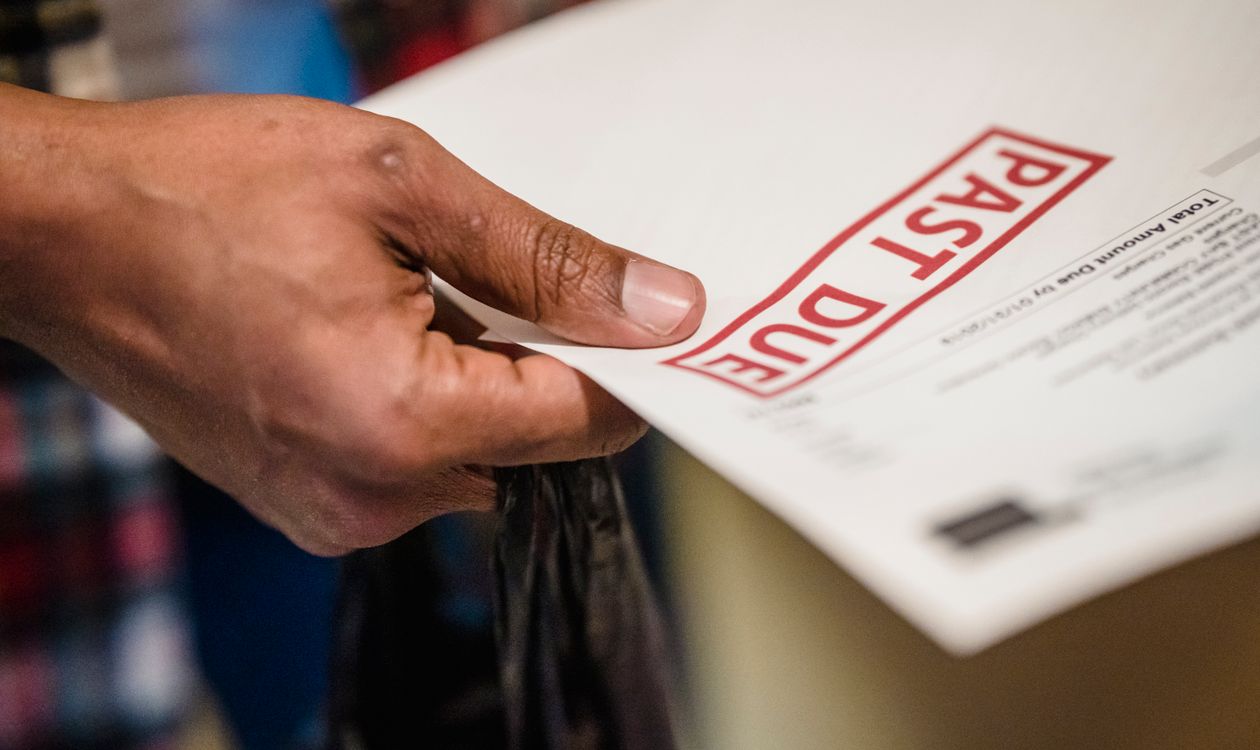
Late payments are one of the most frustrating parts of running a small business. You delivered the work. You held up your end of the deal. And now you’re waiting on a check that should have arrived two weeks ago.
For a lot of small business owners, this situation gets handled badly in one of two ways: they chase too aggressively and damage the relationship, or they don’t chase at all and slowly bleed money. Neither works.
There’s a smarter path. This guide will walk you through exactly how to handle late-paying clients, step by step, so you get paid and keep the relationship intact.
Why Late Payments Happen (And Why It Matters)
Before you send a strongly worded email, it helps to understand what’s actually going on. Late payments usually fall into one of a few categories:
- The client forgot. Invoices get buried in inboxes. This is more common than you think and has nothing to do with you.
- The client has cash flow problems of their own. They’re juggling payments and yours slipped down the list.
- There’s an internal approval bottleneck. Larger clients often require multiple sign-offs before a payment processes.
- There’s a dispute. They have a concern about the work and haven’t told you yet.
- They’re simply a bad payer. This happens too, but it’s less common than the first three.
Knowing the reason shapes how you respond. Most late payments are fixable with a polite nudge. Only a few require escalation.
Step 1: Set the Foundation Before the Invoice Is Even Late
The best way to deal with late payments is to reduce how often they happen in the first place. That starts with your paperwork.
Every client engagement should begin with a clear service agreement that spells out payment terms in plain language. Include the due date, the accepted payment methods, and what happens if payment is late. Don’t bury this in fine print. Make it a talking point during the onboarding conversation so there are no surprises.
Standard payment terms for most small businesses are Net 15 or Net 30. If you’re working with larger companies, they may push for Net 60 or even Net 90. You can accept those terms, but you should price your work accordingly, since you’re essentially extending credit.
One simple move that cuts late payments dramatically: require a deposit upfront. Even 25 to 50 percent before work begins signals that payment is a condition of the engagement, not an afterthought.
Step 2: Send a Gentle Reminder Before the Due Date
Three to five days before an invoice is due, send a brief, friendly reminder. Most invoicing software can automate this. If you’re doing it manually, keep the tone light. Something like:
“Hi [Name], just a quick heads-up that Invoice #[XXX] for $[Amount] is due on [Date]. Let me know if you have any questions or if there’s anything you need from me to process it.”
This single habit eliminates a large chunk of late payments. Clients appreciate the heads-up, and it removes the excuse that they forgot.
Step 3: Follow Up the Day After the Due Date
If the due date passes without payment, follow up the next business day. Keep it short and assume good intent:
“Hi [Name], I wanted to check in on Invoice #[XXX] for $[Amount], which was due [Date]. Please let me know if you have any questions or if there’s an issue on your end.”
You’re not accusing anyone. You’re opening a door for them to communicate. Often, a reply comes back immediately with an apology and a payment confirmation.
Step 4: Escalate Gradually If There’s No Response
If you don’t hear back after a day or two, increase the urgency of your follow-up. Here’s a simple escalation sequence:
7 Days Past Due: Phone Call or Direct Message
Email is easy to ignore. A phone call or a direct message on a platform you both use (like LinkedIn or text) is harder to dodge. Keep it professional and give them a chance to explain. Many overdue payments get resolved at this stage because the client simply needs a real conversation.
14 Days Past Due: Formal Written Notice
At two weeks past due, send a more formal email. Reference your contract, state the amount owed, and give a specific deadline to pay before further action is taken. If your agreement includes a late fee, this is the time to mention it.
“This is a formal notice that Invoice #[XXX] for $[Amount] is now 14 days overdue. Per our agreement, payment is due no later than [Specific Date]. Please advise on the status of payment or contact me directly to discuss.”
30 Days Past Due: Offer a Payment Plan
If a client is genuinely struggling, offering a structured payment plan can be the fastest way to get money moving. You’d rather collect 100 percent over three months than chase the full amount for six months and get nothing. Make any plan agreement in writing.
60 Days Past Due: Final Notice Before Escalation
At 60 days, your tone should shift. This is your final notice before you escalate to a collection agency, small claims court, or a business attorney. Keep it factual and unemotional:
“As of [Date], Invoice #[XXX] for $[Amount] is 60 days past due. If payment or a written payment arrangement is not received by [Date], we will proceed with further collection efforts, which may include a report to credit bureaus and referral to a collections agency.”
How to Keep the Relationship Intact
One of the biggest fears small business owners have is that chasing payment will damage the client relationship. The truth is, how you chase matters far more than the fact that you’re chasing.
A few principles to follow:
- Stay professional, not personal. The invoice is a business matter, not a personal slight. Keep your language neutral and factual.
- Give them easy ways to pay. The harder you make it to pay, the longer it takes. Accept credit cards, ACH transfers, and digital payments like Zelle or PayPal. Friction kills cash flow.
- Separate the relationship from the payment conversation. If you have a good relationship with the client, don’t let invoice emails poison it. Consider handling the payment conversation by phone and the follow-up logistics by email.
- Document everything. Keep records of every communication. If it ever escalates to a legal dispute, your paper trail is your protection.
- Know when to walk away. Some clients are chronically late. After a pattern establishes itself, it’s fair to require prepayment going forward, or to stop working with them entirely.
When to Use Invoice Factoring
If slow payments are a recurring problem in your business, you don’t have to just absorb the cash flow hit. Invoice factoring is a tool that lets you sell unpaid invoices to a third party for immediate cash, typically 80 to 95 percent of the invoice value.
It’s not free money, but it can be a smart move when you need capital now and can’t afford to wait 60 or 90 days for a slow-paying client to come through. If you’re dealing with this regularly, our guide on invoice factoring for small businesses breaks down how it works and whether it makes sense for your situation.
Build Systems That Prevent Late Payments
The best businesses treat payment collection as a system, not a reaction. Here’s how to build that:
- Use invoicing software with auto-reminders. Tools like FreshBooks, QuickBooks, or Wave can automatically send reminders at 3 days before due, on the due date, and at 7 and 14 days past due. Set it and forget it.
- Include late fees in your contracts. A standard late fee of 1.5 to 2 percent per month gives clients a financial incentive to pay on time. Many businesses never actually charge it, but the provision alone accelerates payment.
- Offer early payment discounts. A small discount, such as 2 percent off for payment within 10 days, can significantly speed up your collections from clients who do have the cash.
- Review your client roster regularly. If you have clients who consistently pay late, factor that into your pricing. Slow-paying clients cost you real money in opportunity cost and stress. Price them accordingly, or replace them.
- Check references before taking on new clients. For larger engagements, it’s completely reasonable to ask for a reference from a previous vendor. A client with a history of late payments will often have vendors willing to share that experience.
When to Involve an Attorney or Collections Agency
If you’ve exhausted your direct collection efforts and the debt is significant, it’s time to bring in outside help. You have a few options:
- Small claims court. For invoices up to $10,000 or $25,000 (depending on the state), small claims court is accessible and doesn’t require an attorney. The SBA’s dispute resolution guide is a useful starting point.
- A business attorney. For larger amounts or complex situations, a letter from an attorney often gets results faster than another email from you. It signals that you’re serious.
- A collections agency. Collections agencies typically work on a contingency basis, taking 25 to 50 percent of what they collect. It’s a last resort, but better than writing off the debt entirely.
Before escalating, make sure you have a signed contract and documented communications. Without that, your options narrow significantly.
The Bottom Line
Late-paying clients are a reality in almost every service business. The owners who handle it best are the ones who treat it as a process, not a crisis. They set clear expectations upfront, follow up consistently, and escalate calmly when needed.
Getting paid is not rude. It’s how your business stays alive. A client who respects you will understand that. A client who doesn’t probably wasn’t worth keeping anyway.
Build the systems, have the conversations, and protect your cash flow. That’s what being a real business owner looks like.
Ready to tighten up your business operations? Join thousands of entrepreneurs getting weekly insights, tools, and strategies at Hustler’s Library. It’s free.
Ready to Know Where You Stand?
The Business Journey dashboard maps your exact position across all 13 stages. Track your progress, unlock resources for each step, and build with a framework used by thousands of founders at Hustler's Library.

No credit card required · Takes 3 minutes · Personalized to your stage