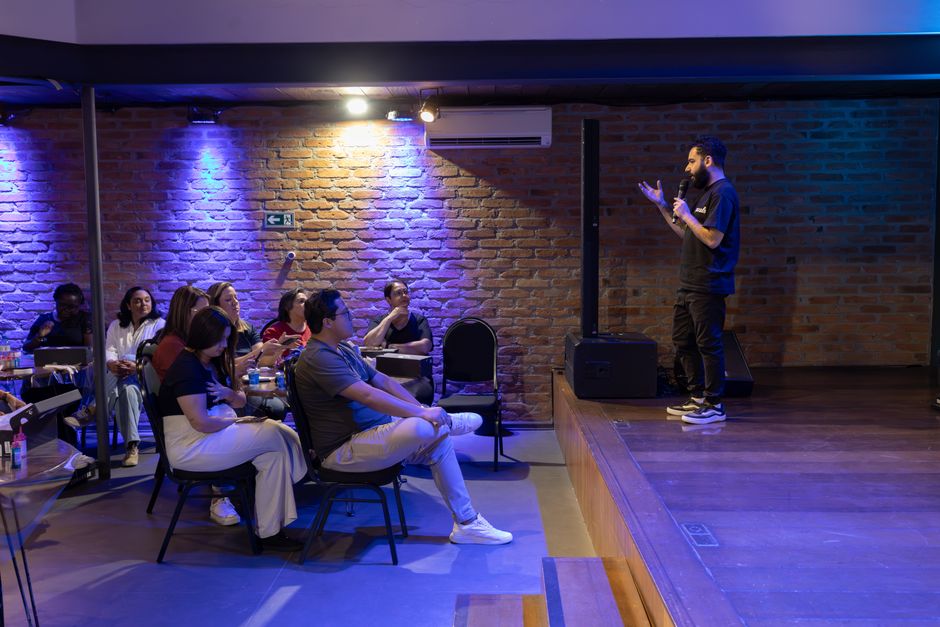
You don’t need a ballroom, a catering budget, or a guest list of five hundred people to run a business event that actually moves the needle. Some of the most effective growth tools available to small business owners are also the smallest: a two-hour workshop in your back office, a lunch-and-learn for ten prospects, a hands-on demo night for twenty potential clients.
These are micro-events. And if you’re not using them, you’re leaving real money on the table.
What Is a Micro-Event?
A micro-event is any small, intentional gathering you host to educate, connect with, or convert your target audience. Think workshops, Q&A sessions, product demos, VIP client dinners, pop-up classes, or even a focused online webinar with under fifty attendees.
The key word is intentional. You’re not throwing a party. You’re creating a curated experience that puts the right people in the room with you, builds trust fast, and gives your business a chance to shine in a way that no Instagram post or email campaign can replicate.
Why Micro-Events Work for Small Businesses
Big businesses throw big events. Small businesses win with intimacy. A room of twelve engaged, qualified people will outperform a tradeshow booth where five hundred strangers walk by half-distracted every single time.
Here’s what makes micro-events uniquely powerful:
- Trust is built in person faster than anywhere else. Shaking someone’s hand, looking them in the eye, and showing your expertise live shortens the sales cycle dramatically.
- You control the room. Unlike a trade show or conference, you set the agenda, the tone, and the follow-up. You own the relationship from the start.
- It positions you as the expert. Hosting an event signals authority. People who attend automatically associate you with leadership in your space.
- The conversion rate is higher. Attendees who give up two hours of their day to sit with you are already pre-qualified. They’re interested. Your job is just not to blow it.
- The costs are low. A micro-event can run on a few hundred dollars: a rented room, some food, printed materials, and your time.
Types of Micro-Events That Actually Drive Revenue
Not all micro-events are created equal. Some are designed to attract new leads. Others are built to deepen relationships with existing clients. Know which goal you’re chasing before you plan a single detail.
1. The Workshop or Masterclass
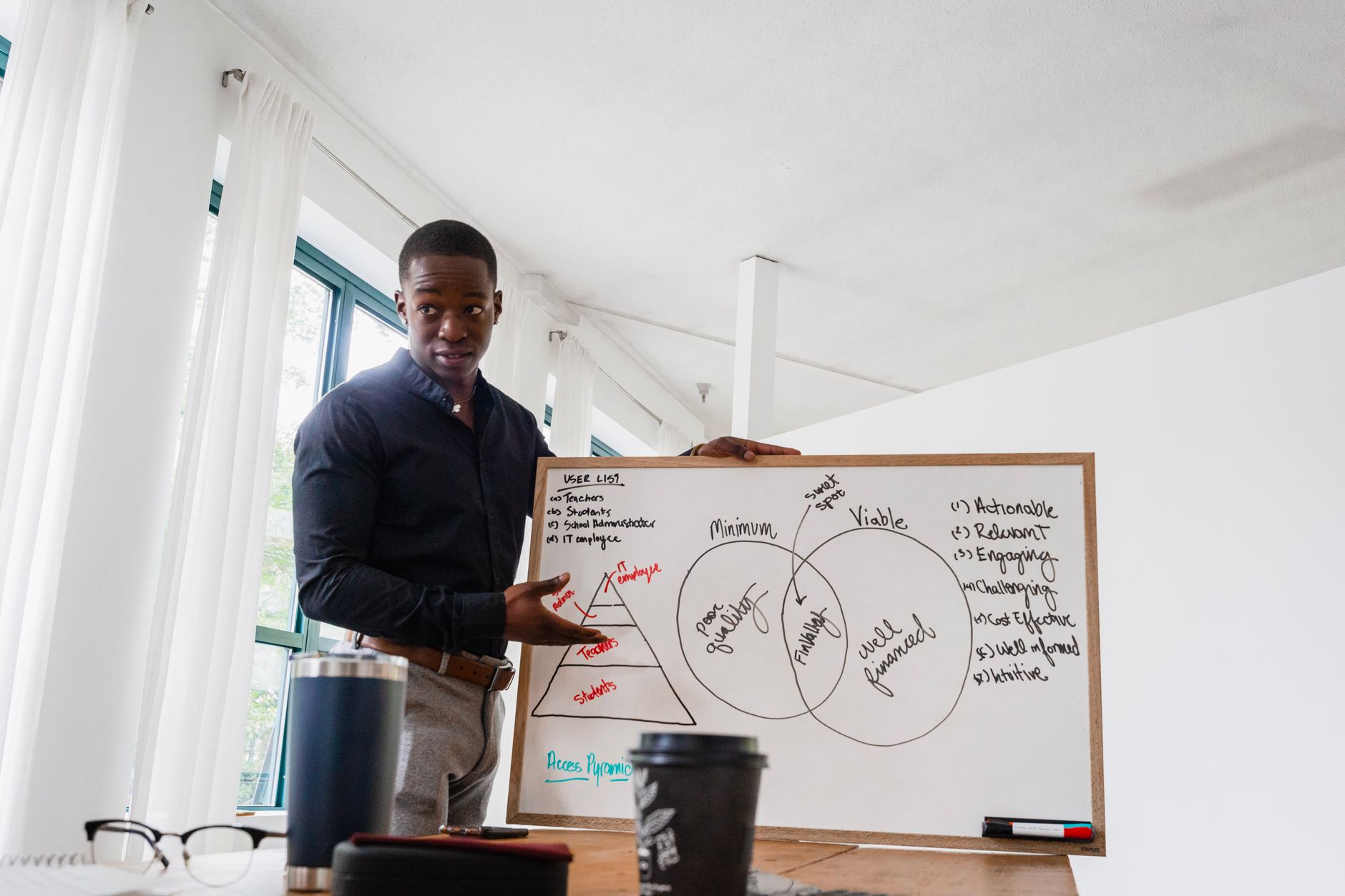
You teach something valuable. You attract people who want to learn it. You demonstrate your expertise in real time. This format works brilliantly for service-based businesses: consultants, coaches, lawyers, accountants, designers, and anyone who sells knowledge.
Charge a small fee (even $20-$50) to improve the quality of attendees. Free events attract tire-kickers. Paid events attract people who are serious about solving a problem.
2. The Product Demo Night
If you sell a physical product or software, nothing beats getting it in people’s hands. Invite a curated list of prospects, existing customers, or local business owners. Let them experience what you sell. Feed them, give them something to take home, and watch your conversion rates climb.
3. The VIP Client Dinner
This one is pure retention and upsell. Invite your eight to twelve best clients to an intimate dinner. No sales pitch. Just genuine connection, conversation, and the feeling that they matter to you. Clients who feel valued stay longer and spend more. It’s that simple.
4. The Lunch-and-Learn
Target a specific group: local business owners, members of an industry association, or your existing email list. Buy lunch. Share something genuinely useful for thirty minutes. Then open it up for questions. The goodwill you generate is worth ten times the cost of the sandwiches.
5. The Virtual Micro-Event
Geography is not a limitation anymore. A focused Zoom call with thirty carefully selected attendees, a live Q&A on LinkedIn, or a virtual roundtable for industry peers can generate the same trust and authority as an in-person event at a fraction of the cost. Keep virtual events tighter and more interactive than you think you need to; the temptation is to go long, but sixty to ninety minutes is almost always enough.
How to Plan a Micro-Event That Fills Up
The biggest mistake business owners make is planning the event without planning the invite strategy. A great event with no attendees is just a monologue.
Start with a Clear Goal
What do you want to happen as a direct result of this event? New leads collected? A specific offer pitched? Existing clients upsold? Write that down before you do anything else. Every decision you make from the venue to the agenda to the follow-up email should serve that goal.
Invite the Right People
Quality beats quantity. Fifteen people who are a perfect fit for your offer are worth more than fifty random attendees. Pull from your existing email list, your LinkedIn connections, past inquiries that didn’t convert, and referrals from current clients. Personal invitations outperform mass email blasts by a wide margin.
If you want to get better at converting the right people into the room, it helps to understand how to network like a pro as a small business owner so your invite list is always warm before the event ever happens.
Keep the Format Simple
Overcomplicated agendas kill events. A tight structure works better: welcome and introductions (ten minutes), your core presentation or activity (forty-five to sixty minutes), Q&A and open conversation (twenty to thirty minutes), and a clear close with next steps. That’s it. Leave people wanting more, not checking their phones.
Have a Follow-Up Plan Ready Before the Event
The event is not the finish line; it’s the starting gun for a new conversation. Know exactly what you’re going to send attendees within twenty-four hours. A recap email, a resource you promised, or a direct offer with a short deadline. Don’t let warm leads go cold because you had no follow-up system in place.
Making Your Micro-Event a Marketing Asset
One event can produce months of marketing content if you think about it strategically before you show up.
Record it (with permission) and clip it into short videos for social media. Take photos and share them. Write a recap blog post. Ask attendees for a short testimonial about what they learned. Repurpose the slides into a downloadable guide. The event itself lasts two hours; the content it generates can work for you for weeks.
This also ties directly into your broader strategy to build your personal brand as a business owner. Every event you host is visible proof of your expertise, your character, and your ability to lead a room. That reputation compounds over time.
How Often Should You Host Micro-Events?
A sustainable cadence for most small businesses is one micro-event per month or one per quarter, depending on your capacity and goals. Monthly events work well for businesses that are actively building an audience or filling a service pipeline. Quarterly events work better for businesses that are focused on deepening existing client relationships or launching new offers.
Start with one. Run it, measure the results, get honest about what worked and what didn’t, and then improve the next one. Consistency matters more than perfection.
If you’re thinking about how micro-events fit into a bigger growth strategy, it’s worth exploring how joint ventures and strategic partnerships can help you co-host events, share audiences, and split costs with businesses that serve the same clients you do.
The SBA’s Perspective on Events as a Business Tool
The U.S. Small Business Administration’s marketing resources consistently point to community engagement and relationship-building as among the highest-ROI activities for small business owners. Micro-events sit squarely in that category. They’re low-cost, high-touch, and highly measurable. You know who showed up. You know who signed up afterward. You know whether it worked.
Common Mistakes to Avoid
- Making it a veiled sales pitch. People can smell a pitch disguised as education from a mile away. Lead with genuine value. Let the offer come at the end, briefly, and only if it’s natural.
- Skipping the follow-up. At least half the value of any micro-event lives in what happens after it. Don’t skip this step.
- Inviting everyone. Bigger is not better. A smaller, more targeted guest list produces better results almost every time.
- Not measuring anything. Track your attendance rate, your lead capture rate, and your conversion rate. If you can’t measure it, you can’t improve it.
- Waiting until everything is perfect. Your first event will be imperfect. That’s normal. Run it anyway. You’ll learn more from one real event than from months of planning.
Start Small, Think Big
The business owners who grow the fastest are the ones who put themselves in front of the right people consistently. Micro-events are one of the most efficient ways to do exactly that. They don’t require a big budget, a big team, or a big following. They require a clear purpose, a focused invite list, and a willingness to show up and deliver value in person.
Start with one event. One topic. One room of people who need what you know. You might be surprised at what happens next.
Ready to build the business you actually set out to create? Get access to proven tools, guides, and strategies built for serious small business owners at Hustler’s Library.
Ready to Know Where You Stand?
The Business Journey dashboard maps your exact position across all 13 stages. Track your progress, unlock resources for each step, and build with a framework used by thousands of founders at Hustler's Library.

No credit card required · Takes 3 minutes · Personalized to your stage