Who This Is For: Entrepreneurs who want to build an Amazon business, whether through private label, wholesale, or retail arbitrage, and need a clear roadmap from zero to first sale.
What Is Amazon FBA?
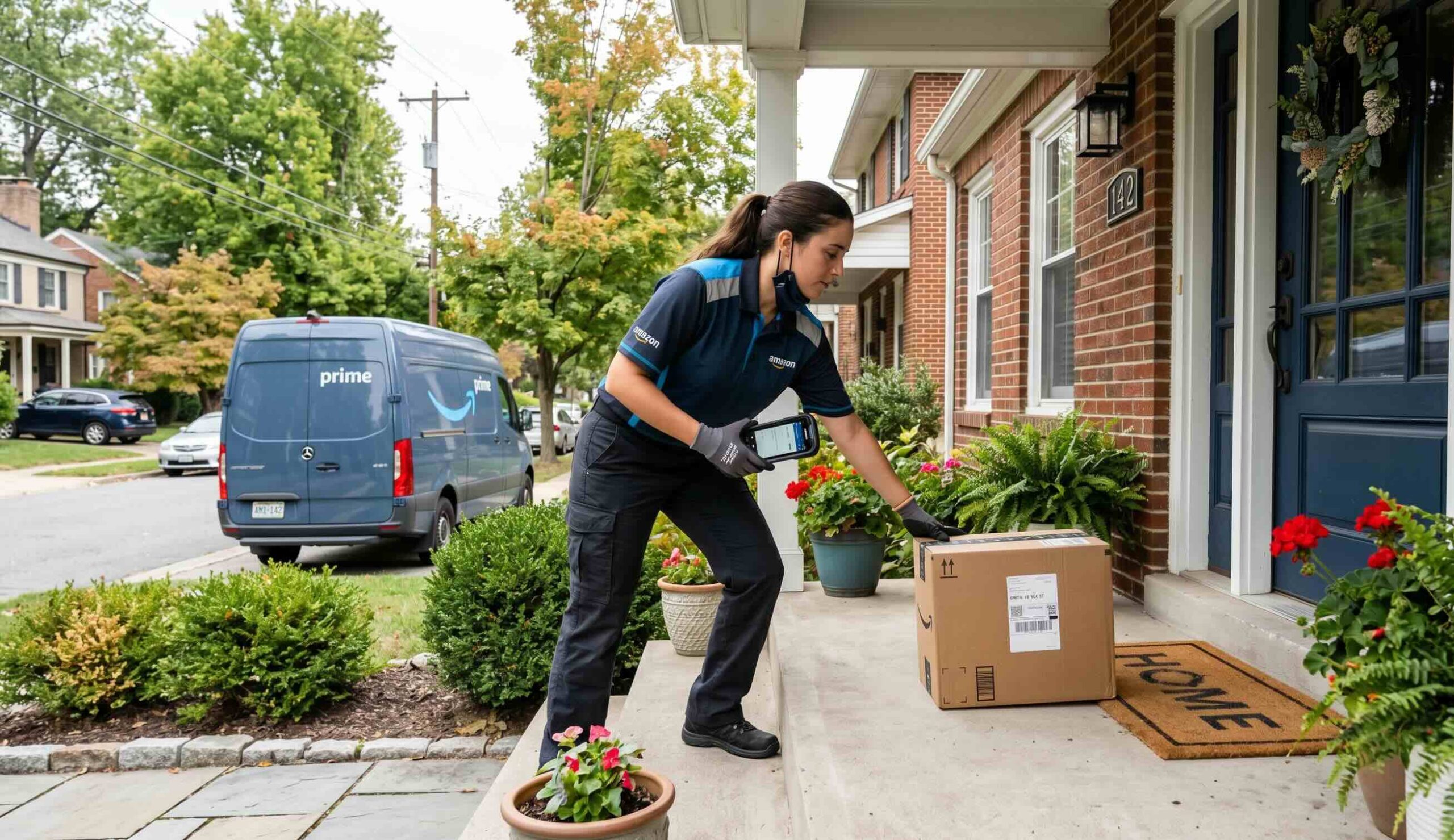
FBA stands for Fulfillment by Amazon. You send your products to Amazon’s fulfillment centers, and when a customer orders, Amazon picks, packs, and ships for you. You also get access to Prime eligibility, which dramatically increases conversion rates.
The trade-off: you pay FBA fees (fulfillment fees + storage fees), and you give up control over the fulfillment process. But for most product sellers, the Prime badge and logistics infrastructure are worth it. See our detailed comparison of Amazon FBA vs Shopify Fulfillment vs self-fulfillment to weigh your options.
The Three Business Models
- Private Label: You source a product (often from China), brand it with your own label, and sell it as your own product. Highest profit potential and scalability, but requires product research, branding, and capital upfront (typically $2,000-10,000+).
- Wholesale: You buy established brand-name products at wholesale prices and resell them on Amazon. Lower risk than private label, but margins are tighter (15-30%) and you compete with other sellers on the same listing.
- Retail/Online Arbitrage: You buy discounted products from retail stores or websites and resell them on Amazon at a higher price. Low barrier to entry but not scalable beyond a solo operation and highly time-intensive.
Recommendation: Private label offers the best long-term upside. Most serious Amazon sellers start with arbitrage to learn the platform, then transition to wholesale or private label.
Step 1: Product Research
Product research is the most important step. Choosing the wrong product wastes months of effort. Key criteria for a good FBA product:
- Selling price between $20-80 (sweet spot for margins after fees)
- Lightweight and small (lower FBA fees)
- Not dominated by major brands
- Consistent demand year-round (avoid highly seasonal products until you have experience)
- Room for improvement over existing listings (bad reviews = opportunity)
Tools that help:
- Jungle Scout: Shows monthly sales estimates, competition scores, and keyword data. Starting at $49/month.
- Helium 10: Similar feature set plus a free tier for beginners. Includes keyword research, listing optimization, and profitability calculators.
- Amazon’s Best Sellers list: Free and underutilized. Browse category best-seller lists to identify product trends.
Step 2: Understand the Real Costs
| Cost Type | Typical Amount | Notes |
|---|---|---|
| Referral Fee | 8-15% of sale price | Varies by category; Amazon’s commission |
| FBA Fulfillment Fee | $3.22-$6+ per unit | Based on size and weight; use FBA calculator |
| Monthly Storage Fee | $0.78-$2.40/cubic ft | Higher Oct-Dec (peak season) |
| Professional Seller Account | $39.99/month | Required for FBA and most features |
| Prep and Labeling | $0.50-2.00/unit | If using a prep center |
| PPC Advertising | 15-35% of revenue (early stage) | Essential for ranking on new listings |
Use Amazon’s free FBA Revenue Calculator (available through Seller Central) to model profitability before committing to any product.
Step 3: Source Your Product
For private label sellers, the most common sourcing path is finding manufacturers on Alibaba, ordering samples, and placing a production run. Our guide on how to import products from China walks through this process in detail, including Incoterms, HTS codes, and quality control.
For your first order, a production run of 200-500 units is typically the right size: enough to test the market without overcommitting capital.
Step 4: Set Up Seller Central
- Go to sellercentral.amazon.com and register for a Professional account ($39.99/month).
- Provide your business information: legal name, address, bank account, and tax ID.
- Complete identity verification (government ID and a selfie).
- Set up your store name and brand profile.
Note: Amazon’s approval process can take 24-72 hours for most sellers. Certain categories (toys, health, groceries) require additional approval called “ungating.”
Step 5: Create Your Listing
A strong listing is your silent salesperson. Key elements:
- Title: Include your main keyword, key features, and brand name. Stay under 200 characters.
- Bullet points: Address the top 5 customer questions and benefits. Lead with the most important benefit first.
- Description and A+ Content: If you are brand-registered, use A+ Content for enhanced visuals and comparison charts.
- Images: Main image on white background per Amazon rules. Add lifestyle images, infographics, and size charts. 7+ images recommended.
- Backend keywords: Use your remaining keyword space (250 bytes) for synonyms and alternate spellings.
Step 6: Launch with PPC
New listings have no sales history, so Amazon’s algorithm ranks them low. You need paid traffic to generate initial sales velocity and reviews.
Start with Sponsored Products auto campaigns at $10-30/day. Let them run for 1-2 weeks to gather data, then harvest converting keywords into manual campaigns with tighter bid control. Target an ACoS (Advertising Cost of Sale) below 30% as a starting benchmark.
Getting early reviews is critical. Use Amazon’s “Request a Review” button in Seller Central for every order. Do not violate Amazon’s review policies (no incentivized reviews).
The SBA’s business operations guide provides useful context for managing inventory, cash flow, and scaling a product-based business.
Key Takeaways
- Private label is the most scalable FBA model but requires the most upfront investment.
- Total Amazon fees typically consume 30-45% of your selling price.
- Product research is the most important decision you make in this business.
- Use Jungle Scout or Helium 10 to validate demand before sourcing.
- Launch with PPC auto campaigns to build sales velocity and reviews.
- Plan for 90-120 days from product idea to live listing.
Frequently Asked Questions
How much money do I need to start Amazon FBA?
A realistic budget for a private label FBA launch is $3,000-10,000: roughly $1,500-4,000 for inventory, $500-1,000 for product research tools, $500-1,500 for photography and listing setup, and $500-2,000 for initial PPC advertising.
How long does it take to become profitable on Amazon FBA?
Most sellers see their first profitable month between 3-6 months after their first listing goes live, assuming solid product selection and consistent PPC management.
Do I need to form an LLC to sell on Amazon?
No, but it is strongly recommended. An LLC protects your personal assets from product liability claims, which are a real risk for physical product sellers. Consult a business attorney before you start selling at scale.
What is the difference between FBA and FBM?
FBM (Fulfillment by Merchant) means you handle all shipping and customer service yourself. You keep more margin but lose Prime eligibility on most listings. FBA is the standard for most product sellers.
Ready to build a stronger business? Join Hustler’s Library free and get the resources, guides, and community every entrepreneur needs.
Ready to Know Where You Stand?
The Business Journey dashboard maps your exact position across all 13 stages. Track your progress, unlock resources for each step, and build with a framework used by thousands of founders at Hustler's Library.

No credit card required · Takes 3 minutes · Personalized to your stage