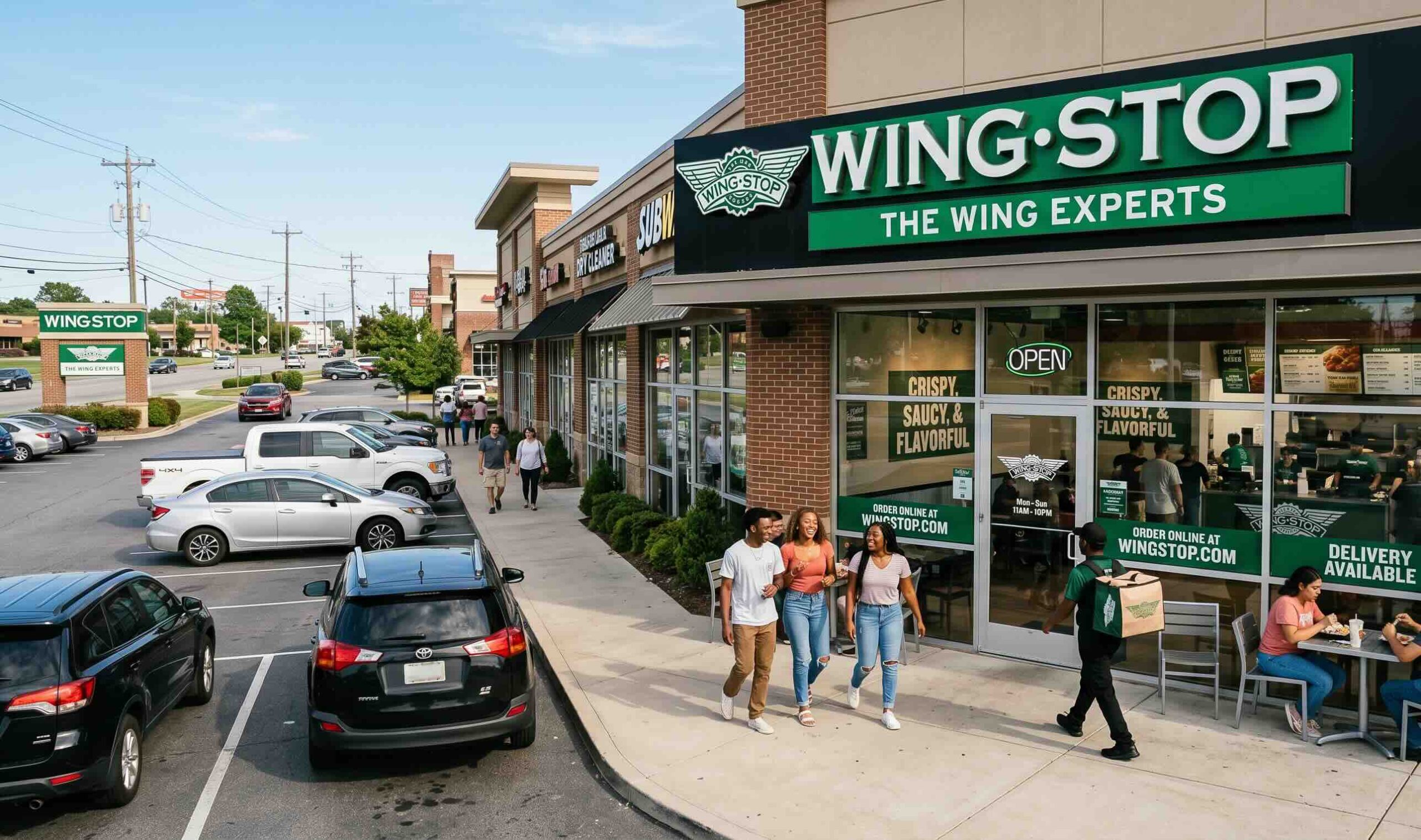
Who this is for: Entrepreneurs who want to start a business with a proven model, reduce early-stage risk, and understand exactly what buying a franchise involves before signing anything.
What it is: A license to operate under a proven brand using the franchisor’s system, in exchange for fees and ongoing royalties.
Initial investment range: $10,000 (home-based) to $2 million+ (full-service restaurant)
Ongoing royalty range: 4% to 12% of gross revenue
Key legal document: Franchise Disclosure Document (FDD) : required reading before you sign
Best candidates: Operators who want structure, proven systems, and brand recognition rather than starting entirely from scratch
Franchising is one of the most powerful business models ever created. It lets you start a business using a proven brand, tested systems, and ongoing support rather than figuring everything out from zero. Over 800,000 franchise establishments operate in the United States, generating more than $800 billion in economic output annually. But franchising is not a passive investment and it is not a guaranteed path to profit. Understanding what you are actually buying and what it actually costs is essential before writing a single check.
Franchise vs Starting from Scratch: The Real Tradeoff
When you start a business from scratch, you own everything: the brand, the systems, the processes, the intellectual property. You carry all the risk but keep all the upside. When you buy a franchise, you are trading a portion of that control and upside for a proven system with a lower failure rate.
The key differences:
- Brand recognition: A franchise gives you instant consumer awareness that takes years to build independently.
- Proven systems: Operations manuals, supplier relationships, marketing templates, and training are provided.
- Ongoing costs: Royalties (typically 4 to 12 percent of gross revenue) and marketing fund contributions (1 to 4 percent) are permanent costs.
- Less flexibility: You cannot pivot the menu, change the brand colors, or sell unapproved products. You operate within the franchisor’s framework.
- Support network: Access to other franchisees, corporate field support, and centralized purchasing power.
Neither model is universally better. The right choice depends on whether you want to invent the business or operate a tested one.
The Franchise Disclosure Document (FDD): What You Must Read
The FDD is the legal bible of franchising. Federal law, enforced by the FTC’s Franchise Rule, requires every franchisor to provide a prospective franchisee with an FDD at least 14 days before any agreement is signed or money changes hands. It contains 23 standardized “Items” covering everything about the franchise system.
The most important items to study:
- Item 5 (Initial Fees): What you pay upfront to get the license.
- Item 6 (Other Fees): Ongoing royalties, advertising fees, technology fees, training fees.
- Item 7 (Estimated Initial Investment): The total estimated cost to get to opening day, including build-out, equipment, inventory, and working capital.
- Item 19 (Financial Performance Representations): What franchisees actually earn. Not every franchisor includes this, but those that do give you real revenue and profit data.
- Item 20 (Outlets and Franchisee Information): How many locations opened, closed, and terminated in recent years. A high closure rate is a red flag.
- Item 21 (Financial Statements): The franchisor’s own audited financials. If the franchisor is not profitable, that affects the support and future you are counting on.
Item 19: Reading Financial Performance Data
Item 19 is the most important number in the entire FDD, and franchisors are not legally required to include it. If a franchisor does not provide Item 19 financial performance representations, ask why. You should be cautious about any franchise system that cannot or will not share performance data.
When you find Item 19, look for:
- Average gross revenue per location
- Net operating income (gross revenue minus operating costs, but usually before royalties and owner salary)
- The range between top and bottom performers (a high average driven by a few outliers is misleading)
- How many units are represented in the data (if they only report top performers, the data is cherry-picked)
A franchise generating $800,000 in average unit volume sounds strong until you subtract a 6 percent royalty ($48,000), 2 percent marketing fee ($16,000), rent, labor, COGS, and your own salary. Model the full P&L before you fall in love with top-line numbers.
Royalty Fees, Territory Rights, and Key Contract Terms
Royalties: Most franchisors charge 4 to 12 percent of gross revenue as an ongoing royalty. This is not profit-based. You pay it whether you are profitable or not. Budget for it as a fixed cost of doing business.
Marketing fund contributions: Typically 1 to 4 percent of gross revenue goes to a national or regional advertising fund. You contribute to campaigns you may not have control over.
Territory rights: Your franchise agreement should define your protected territory. Understand whether your territory is exclusive (no other franchisees can operate in your area), protected (corporate cannot open company-owned stores in your area), or simply an area of primary responsibility with no guaranteed exclusivity.
Term length: Most franchise agreements run 10 years with renewal options. Understand the renewal fees and conditions. Some franchisors charge significant renewal fees or require full renovations at renewal.
Transfer and exit rights: What happens if you want to sell your franchise? Most agreements require franchisor approval of any buyer and include a right of first refusal. Transfer fees are typically 25 to 50 percent of the current franchise fee.
Top Franchise Categories and Their Cost Ranges
| Category | Example Brands | Initial Investment Range | Royalty Rate | Notes |
|---|---|---|---|---|
| Fast Food / QSR | McDonald’s, Subway, Chick-fil-A | $500K – $2M+ | 4-12% | Highest brand value; most competitive to qualify |
| Fitness / Health | Anytime Fitness, Orangetheory | $200K – $600K | 5-8% | Strong growth category; equipment-intensive |
| Home Services | Lawn Doctor, 1-800-Got-Junk | $50K – $250K | 6-10% | Lower entry cost; recession-resistant categories |
| Business Services | The UPS Store, Minuteman Press | $100K – $400K | 5-8% | B2B revenue; typically regular customers |
| Education / Tutoring | Kumon, Mathnasium, Sylvan | $60K – $200K | 8-11% | Lower build-out costs; strong recurring revenue |
| Senior Care | Home Instead, BrightSpring | $100K – $300K | 5-8% | Massive demographic tailwind; service-based |
| Cleaning / Restoration | ServiceMaster, Jan-Pro | $5K – $100K | 8-12% | Very low entry point; strong B2B demand |
How to Evaluate a Franchise: A Step-by-Step Process
- Define your investment range and personal criteria. How much can you invest? Do you want a hands-on operator role or semi-absentee ownership? Do you prefer B2B or consumer-facing?
- Research and shortlist brands. Use the SBA’s franchise resources and directories like Franchise Direct or Franchise Grade to identify candidates in your investment range.
- Request and review the FDD. Compare Item 7 (total investment), Item 19 (financial performance), and Item 20 (system health).
- Talk to existing franchisees. Item 20 of the FDD lists current and former franchisees with contact information. Call at least 10. Ask about support quality, actual vs projected earnings, and what they wish they had known.
- Hire a franchise attorney. Have them review the FDD and franchise agreement before you sign anything.
- Secure your financing. SBA 7(a) loans are a common vehicle for franchise financing. Many established brands are on the SBA’s Franchise Registry, which speeds up the lending process.
- Attend Discovery Day. Most franchisors invite serious candidates to visit headquarters. This is your chance to evaluate the corporate team and culture.
- Sign, fund, and launch. Once the agreement is executed and your territory secured, the franchisor’s onboarding process begins.
For financing options, our guide on Best SBA Lenders 2026 covers which banks actually approve small businesses and how to improve your odds. And if you are still deciding between starting from scratch and buying a franchise, understanding how franchise systems like Five Guys maintain quality standards gives real-world context for what the franchisor relationship looks like.
Key Takeaways
- A franchise gives you a licensed right to operate under a proven brand in exchange for upfront fees and ongoing royalties typically ranging from 4 to 12 percent of gross revenue.
- The FDD is the most important document in franchising. Read every item, especially Item 19 (financial performance) and Item 20 (system health and closures).
- Never sign a franchise agreement without a franchise attorney reviewing it first.
- Total initial investment ranges from as low as $5,000 for a home-based cleaning franchise to over $2 million for a full-service restaurant.
- Talk to at least 10 existing franchisees before committing. Their experience is more valuable than any marketing material the franchisor produces.
- SBA loans are a standard financing vehicle for franchises; many established brands are pre-approved on the SBA Franchise Registry.
Frequently Asked Questions
Is buying a franchise less risky than starting a business from scratch?
Generally yes, but not universally. Franchises carry significantly lower failure rates in the first five years compared to independent startups, primarily because of proven systems and brand recognition. However, a poorly run franchise system, a bad territory, or an oversaturated market can still lead to failure. Due diligence is non-negotiable.
Can I buy a franchise with no prior business experience?
Yes. Many franchise systems are specifically designed for first-time business owners. The operations manual, training program, and ongoing support are meant to bridge the experience gap. That said, experience in management, customer service, or the relevant industry makes the learning curve significantly shorter.
What is a franchise fee vs royalties?
The franchise fee is a one-time upfront payment (typically $20,000 to $50,000) that purchases the right to use the brand and system in your territory. Royalties are ongoing, typically a percentage of your gross revenue paid weekly or monthly for the life of your franchise agreement.
How do I finance a franchise?
Common options include SBA 7(a) loans (up to $5 million, with franchise-friendly terms), conventional bank loans, ROBS (Rollover for Business Startups, which uses retirement funds), home equity lines of credit, and franchisor financing programs some brands offer directly.
Can I own multiple franchise units?
Yes. Multi-unit ownership is common and often encouraged. Many franchise agreements include Area Development agreements that give you the right to develop multiple units in a territory over a defined period. Multi-unit operators represent a significant portion of total franchise revenue in most systems.
Ready to build a stronger business? Join Hustler’s Library free and get the resources, guides, and community every entrepreneur needs.
Ready to Know Where You Stand?
The Business Journey dashboard maps your exact position across all 13 stages. Track your progress, unlock resources for each step, and build with a framework used by thousands of founders at Hustler's Library.

No credit card required · Takes 3 minutes · Personalized to your stage