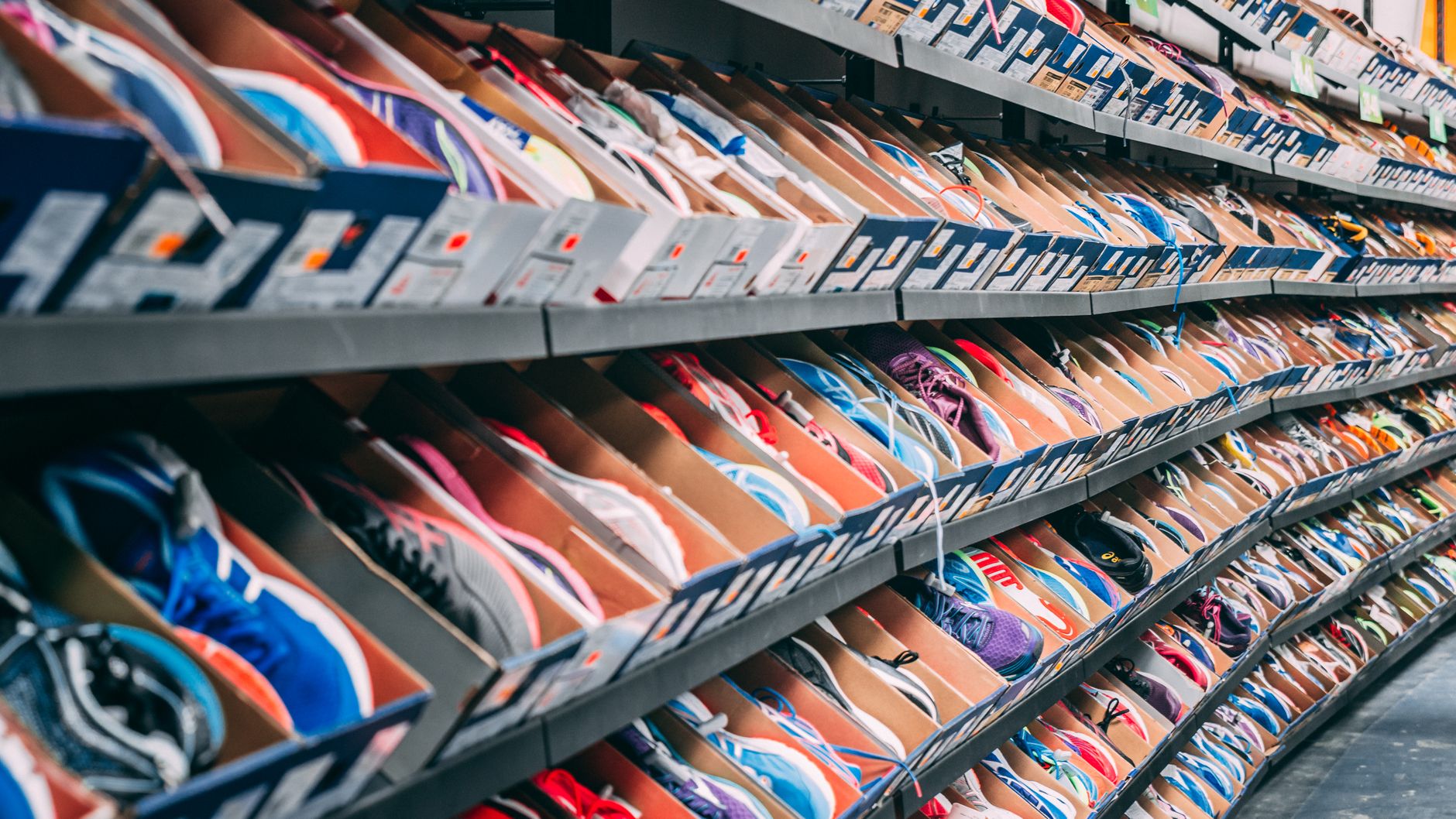
In 1999, Nick Swinmurn walked into a mall looking for a specific pair of shoes. He left empty-handed. The idea was simple: sell shoes online. What wasn’t simple was convincing anyone that people would buy shoes without trying them on first. Investors passed. The concept seemed ridiculous. Zappos launched anyway, scrappy and underfunded, operating out of a small office with a basic website and no inventory system to speak of.
For the first several years, Zappos was not winning on selection. It was not winning on price. Amazon was bigger. Foot Locker had the brand deals. Traditional shoe retailers had the locations and trust. So what did Zappos have? Almost nothing. Except one wild idea: what if we made buying shoes online feel better than buying them in a store?
The Before: A Crowded Market With No Clear Reason to Switch
The early e-commerce landscape was brutal for apparel. Customers were skeptical. Return rates were high. Shipping costs cut margins. And shoes, more than almost any other product, required trying on. The dominant logic was that online shoe retail would always be limited by the inherent friction of the format.
Zappos’ early numbers reflected that reality. The company struggled to grow, struggled to raise money, and struggled to differentiate in a meaningful way. Tony Hsieh, who invested early and eventually took over as CEO, saw the problem clearly: Zappos was trying to be a shoe company. That was the wrong framing entirely.
The Edge: Turn Customer Service Into a Marketing Department
Here is the move that changed everything. Zappos decided that customer service would not be a cost center. It would be the entire marketing strategy.
Most businesses treat service as the thing that happens after the sale: a reactive function, a cost to minimize. Zappos flipped this completely. They made service the reason to buy. The experience was so good, so frictionless, so unexpectedly human, that customers did the marketing themselves.
The specifics were radical for their time. Free shipping both ways. A 365-day return policy. A 24/7 customer service line staffed by people with no call-time limits and real authority to solve problems. Representatives who would look up competitor inventory if Zappos was out of stock. Team members who sent flowers when a customer mentioned a death in the family while returning a pair of shoes.
These were not policies that made financial sense in isolation. They were investments in a specific belief: that the lifetime value of a delighted customer dwarfs the cost of any single generous act.
How They Executed It: The Mechanics of Trust at Scale
1. They Hired for Culture First, Skills Second
Zappos famously offered new hires $2,000 to quit after their first week of training. The idea was to filter out anyone who was only there for a paycheck. The people who stayed were genuinely bought into the mission. This was not a gimmick. It was a selection mechanism that kept the service culture intact as the company scaled to hundreds of employees.
2. They Removed Time Pressure From Service Interactions
Most call centers track average handle time. Every extra minute costs money. Zappos explicitly rejected this model. Their record for the longest customer service call was over 10 hours. That call became a story. The story became press. The press became brand equity worth far more than any paid campaign.
3. They Made the Return Policy a Sales Tool
Free returns sounds like it would kill margins. For Zappos, it did the opposite. The removal of purchase risk made first-time buyers more likely to order multiple pairs. Data showed that their best customers were also their most frequent returners. Return friction was a conversion killer. Removing it unlocked a different, more valuable customer relationship.
4. They Documented and Broadcast the Culture
Tony Hsieh published the Zappos Culture Book annually: a real compilation of unedited employee essays about what the culture meant to them. This was not PR. It was accountability. And it created a narrative that attracted press, job applicants, and customers who wanted to support a company doing business differently.
Before scaling your own service approach, it pays to understand what your customers actually value so you know where to invest.
The Result
By 2009, Zappos was generating over $1 billion in gross sales annually. Amazon acquired Zappos for approximately $1.2 billion that same year. The acquisition was driven not just by Zappos’ revenue, but by its customer loyalty metrics. Repeat customers accounted for roughly 75% of purchases. Customer acquisition cost was falling while lifetime value was rising. They had built a customer base that was essentially self-recruiting.
Lessons Entrepreneurs Can Steal Today
Lesson 1: Your Return Policy Is a Sales Pitch
Risk reversal works. If you sell a physical product, ask yourself: what is the single biggest reason someone hesitates before buying? Then eliminate it. Generous return policies, satisfaction guarantees, and free trials all reduce friction at the decision point. The cost of returns is usually lower than the cost of lost conversions.
Lesson 2: Service Stories Spread; Ads Don’t
Every outrageous act of customer service Zappos performed became a story someone told at a dinner table. Stories spread for free. Ads require constant spend. When you think about your marketing budget, consider what fraction of it could create one genuinely remarkable service experience that ten people would talk about.
Lesson 3: Culture Is a Competitive Advantage You Can’t Copy Overnight
Competitors could look at Zappos’ policies and copy them on paper. What they couldn’t copy was a decade of cultural reinforcement: the hiring rituals, the stories, the norms. Culture compounds over time exactly like financial capital, and it creates a moat that policy mimicry cannot cross.
Lesson 4: Lifetime Value Changes Every Calculation
If a customer returns four times and spends $400 total, the cost of absorbing a $50 return on their first order looks completely different. Most entrepreneurs calculate profitability per transaction. Zappos calculated it per relationship. The shift in unit of analysis changes every downstream decision. Make sure your business finances are set up to track these metrics from day one.
Lesson 5: Your Best Customers Will Come From Referrals If You Earn Them
Referred customers convert at higher rates, spend more, and churn less. Zappos spent almost nothing on paid acquisition at its peak growth phase because word of mouth was doing the work. The math is simple: make the experience so good that people feel compelled to tell others.
To understand how Zappos framed its competitive positioning, consider doing a full competitor analysis for your own business to find the gap in your market.
The Takeaway
Zappos did not win because shoes got cheaper. It won because buying shoes got better. In any market where the product is roughly commoditized, the buying experience becomes the product. If you are building a business right now, ask yourself one question: what would it take to make your customers feel the way Zappos’ customers felt? That answer is your edge.
The entrepreneurs who figure this out early build something that money cannot easily replicate. Start with one touchpoint. Make it extraordinary. Then systematize it.
Want more frameworks like this? Join the Hustlers Library for free and get access to case studies, playbooks, and tools built for entrepreneurs who are serious about growth.
Ready to Know Where You Stand?
The Business Journey dashboard maps your exact position across all 13 stages. Track your progress, unlock resources for each step, and build with a framework used by thousands of founders at Hustler's Library.

No credit card required · Takes 3 minutes · Personalized to your stage