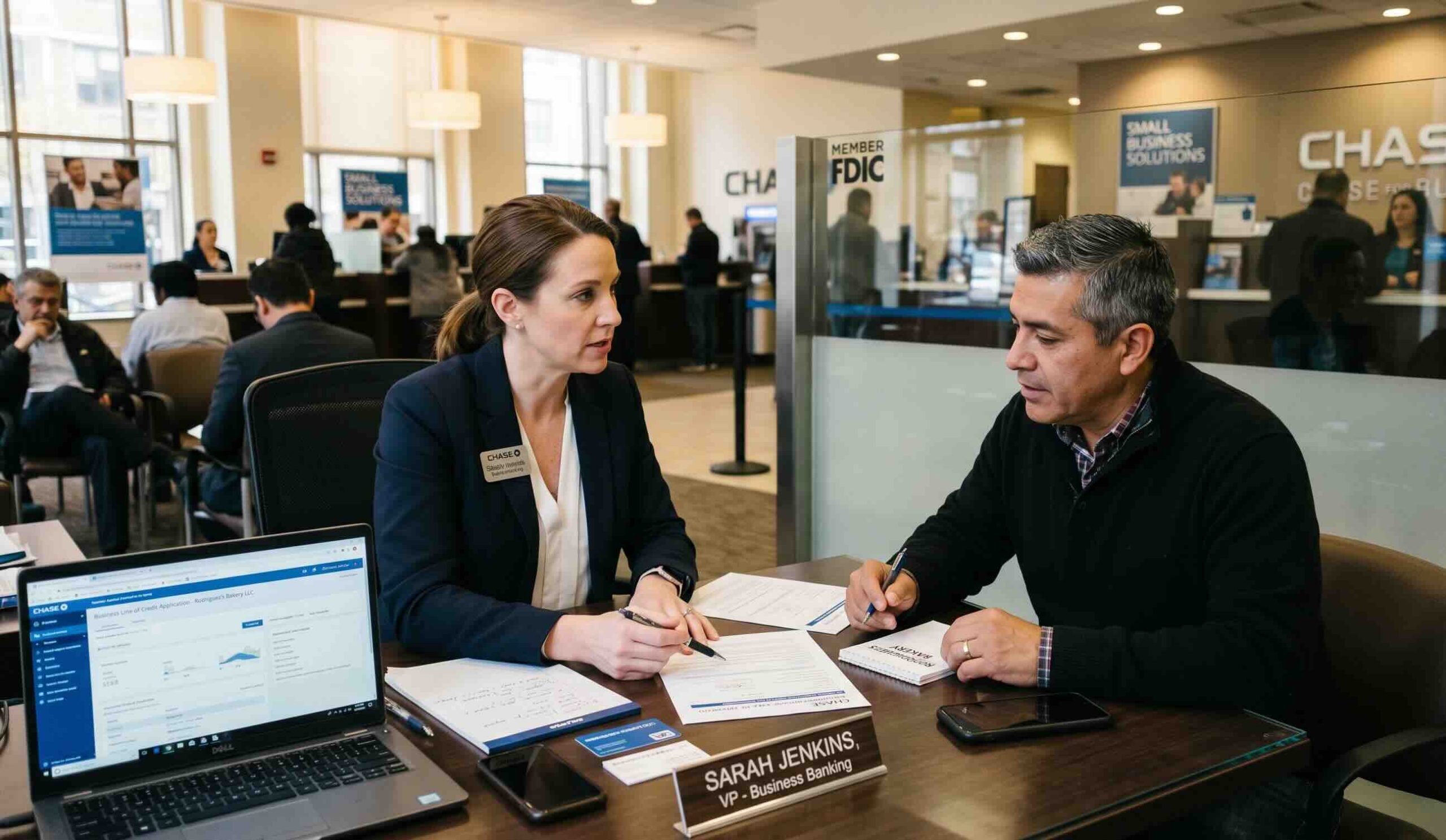
Every small business owner negotiates. You negotiate prices with suppliers, rates with clients, terms with contractors, and rent with landlords. But most small business owners wing it, relying on gut instinct and hoping for the best. The problem is that negotiation is not a guessing game. It is a science. And once you understand the psychology behind it, you will close more deals, protect your margins, and stop leaving money on the table.
This guide breaks down the core principles of negotiation psychology and shows you exactly how to apply them in the real world, whether you are closing a new client, renegotiating a vendor contract, or asking for terms that actually work for your business.
Why Negotiation Psychology Matters for Small Business Owners
Big companies have entire procurement departments, legal teams, and trained negotiators. As a small business owner, you are usually doing it alone. That means the person across the table often has more experience, more leverage, and more patience than you do.
Understanding how people make decisions under pressure, what triggers agreement, and what causes deals to fall apart gives you an edge that has nothing to do with size or resources. It is a mindset and a skill set. And it can be learned.
The Foundation: Understand What the Other Side Actually Wants
Most people walk into a negotiation thinking about what they want. The better move is to obsess over what the other side wants. Human beings are motivated by a mix of rational interests (price, terms, timeline) and emotional interests (feeling respected, avoiding embarrassment, looking good to their boss).
Before any negotiation, ask yourself:
- What does the other party care most about beyond the price?
- What pressures are they under?
- What would make this a win for them, not just for me?
When you can offer something that satisfies their real interest, even if it costs you little, you create the conditions for a deal. A client who insists on a lower price might actually care more about guaranteed response time. A vendor holding firm on payment terms might relax if you offer a longer contract. Look past the stated position to the underlying interest.
Anchoring: The First Number Sets the Tone
One of the most powerful findings in negotiation psychology is anchoring. The first number introduced in a negotiation exerts an outsized influence on the final outcome, even when both parties know it is just an opening position.
This means you should almost always make the first offer when you have done your homework. If you are quoting a project, anchor high. If you are buying something, anchor low. The final number will tend to drift toward wherever the conversation started.
A few anchoring rules for small business owners:
- Make your anchor bold but defensible. An absurd number destroys credibility. A high but justified number sets a strong starting point.
- When the other side anchors first with something low or aggressive, do not panic. Acknowledge it and counter with your own anchor rather than letting theirs dominate.
- Use specific numbers rather than round ones. Saying “$4,750” signals that you have done the math. “$5,000” feels like a guess.
The Power of Silence and Patience
Silence is one of the most underused tools in negotiation. Most people, when faced with silence after making an offer, feel an overwhelming urge to fill it. They add concessions, soften their position, or talk themselves into a worse deal. Do not do this.
After you make an offer or ask a question, stop talking and wait. Let the other person process. Let the discomfort sit. Silence creates psychological pressure, and it is almost always pressure that lands on whoever is more uncomfortable with it. If that is not you, you win.
Practice this in low-stakes situations first. You will be surprised how often silence prompts the other side to move in your direction without you saying another word.
BATNA: Your Hidden Source of Power
BATNA stands for Best Alternative to a Negotiated Agreement. It is what you will do if this deal falls through. Understanding your BATNA, and the other party’s, is the single most important factor in determining who has leverage in any negotiation.
If you desperately need this deal and have no alternatives, your BATNA is weak and the other side has leverage. If you have three other options lined up, your BATNA is strong and you can walk away, which dramatically improves your position.
Before any significant negotiation, invest time in improving your BATNA. Get competing quotes. Develop other leads. Build your pipeline. The goal is to walk into every negotiation able to say, at least internally, “I would like this deal, but I do not need it.” That mindset changes everything about how you carry yourself and what you are willing to accept.
This is also why maintaining a consistent sales follow-up process pays dividends beyond just closing deals. A full pipeline is leverage.
Reciprocity: Give First, Then Ask
Human beings are wired to reciprocate. When someone does something for us, we feel a strong social obligation to return the favor. In negotiation, you can use this by making small concessions strategically, before asking for something in return.
Rather than giving a flat concession, frame it as a trade. “If I move on the timeline, can you work with me on the payment terms?” This approach, sometimes called conditional concession making, keeps the negotiation balanced and signals that nothing is free.
Also be aware of the other side using reciprocity against you. If someone offers you a small, unsolicited favor at the start of a meeting, it is often a setup to create a sense of obligation before the real ask arrives. Recognize the pattern and stay grounded in the merits of the deal.
Framing: How You Present a Deal Changes How It Is Received
The same offer can feel like a gain or a loss depending on how it is presented, and people respond very differently to each. Research in behavioral economics consistently shows that people are more motivated to avoid a loss than to acquire an equivalent gain.
In practice, this means framing your offers in terms of what the other side stands to lose by not agreeing, rather than just what they stand to gain. “If we lock this rate in today, you avoid the price increase going into effect next month” lands differently than “lock in today and save money.” Same message. Different psychological weight.
Framing also applies to how you present your own position. Instead of saying “I need at least $8,000 for this,” try “Based on the scope and timeline, $8,000 is what keeps this project on track and ensures I can deliver what we both want.” You are presenting the same number, but as a logical conclusion rather than a personal demand.
For more on using behavioral principles in your business, check out our guide on the science of persuasion for small business owners.
Building Rapport Before You Negotiate
Deals happen between people, not just entities. The degree to which someone likes and trusts you directly influences how flexible they will be. This is not manipulation. It is just human nature.
Before jumping into the substance of a negotiation, spend real time building connection. Ask genuine questions. Find common ground. Mirror the other person’s communication style. People who feel heard and respected are far more likely to work with you than against you.
This is especially important in ongoing supplier or vendor relationships where you will be negotiating repeatedly over time. Investing in the relationship outside of deal moments, through check-ins, referrals, or genuine appreciation, builds a reservoir of goodwill you can draw on when you need flexibility.
Handling Pushback Without Caving
Pushback is not a rejection of your offer. It is an invitation to continue the conversation. Most small business owners hear “that is too expensive” and immediately drop their price. Resist this instinct.
Instead, respond with curiosity. “Help me understand what you mean by that” or “Compared to what?” are powerful responses that open the door to the real objection without you conceding anything. Often, the real concern is not the number itself but something else, fear of risk, uncertainty about ROI, budget timing, or internal approval requirements.
When you do need to make a concession, do it slowly and reluctantly. Research shows that concessions made quickly signal that there was room to move from the start, which invites further pressure. Each concession should feel earned, and you should always get something in return.
Our full guide on handling sales objections and closing more deals goes deeper on the psychology of pushback and how to navigate it effectively.
Put It in Writing and Follow Through
Once you reach an agreement, document it immediately. Verbal agreements fade fast, and memory tends to shift in people’s favor over time. A quick email summary of what was agreed, sent the same day, protects both parties and signals professionalism.
Also follow through on any commitments you made during the negotiation. If you promised faster turnaround or a check-in at the 30-day mark, do it. Reliability after the deal reinforces your reputation and makes every future negotiation easier, because the other side already trusts you.
The U.S. Small Business Administration also provides practical guidance on negotiating and managing business contracts, which is worth bookmarking for reference.
The Bottom Line
Negotiation psychology is not about tricks or manipulation. It is about understanding human decision-making and structuring conversations in a way that leads to better outcomes for both sides. Small business owners who master this skill close more deals, protect their margins, and build stronger long-term relationships with clients, vendors, and partners.
Start by preparing more thoroughly before your next negotiation. Know your BATNA. Anchor with confidence. Ask more questions and talk less. Use silence as a tool. And always look for what the other side actually needs, not just what they are asking for.
The best negotiators are not the loudest or the most aggressive. They are the most prepared, the most patient, and the most attuned to what is really happening in the room. That is a skill any small business owner can build.
Ready to keep leveling up your business game? Join Hustler’s Library for free and get access to guides, tools, and resources built for entrepreneurs who play to win.
Ready to Know Where You Stand?
The Business Journey dashboard maps your exact position across all 13 stages. Track your progress, unlock resources for each step, and build with a framework used by thousands of founders at Hustler's Library.

No credit card required · Takes 3 minutes · Personalized to your stage