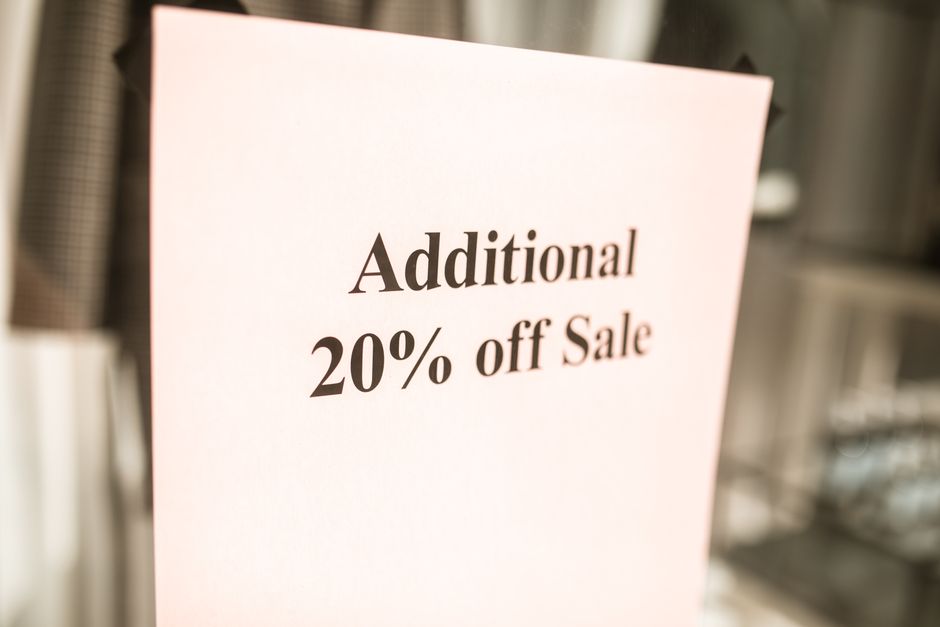
There is a reason the grocery store sells rotisserie chickens at a loss. It is not a mistake. It is not charity. It is one of the oldest and most effective traffic-driving strategies in retail, and smart small business owners have been using it for decades to fill their shops, grow their customer base, and ultimately make more money than they would have if they had never discounted a thing.
The strategy is called a loss leader, and if you are not using it, you are probably leaving customers on the table.
What Is a Loss Leader?
A loss leader is a product or service you sell at or below your cost specifically to attract new customers, drive foot traffic, or get people into your sales ecosystem. You take a short-term hit on that one item in exchange for the long-term value of the customer relationship.
The logic is simple: it costs money to acquire a customer. If you are going to spend on advertising, promotions, or discounts anyway, you might as well do it in a way that gets a real person through your door or onto your website, where they are far more likely to buy other things. The loss leader is the hook. Everything else is the line.
Classic examples include:
- Grocery stores pricing staples like milk, eggs, and bread below cost
- Gyms offering the first month free to get members locked in on annual contracts
- Software companies offering a free tier that converts users to paid plans
- Restaurants with $5 lunch specials that get office workers in the habit of eating there
- Service businesses offering a deeply discounted first session to demonstrate their value
The goal is never to make money on the loss leader itself. The goal is to make money on everything that comes after it.
Why Loss Leaders Work
Loss leaders work because of a few well-documented psychological and economic principles.
They lower the barrier to entry
One of the biggest obstacles to winning a new customer is trust. People do not know if you are going to deliver. A low-priced or free offer removes the risk. It lets them experience your product or service without making a major commitment. Once they are in the door, you have the chance to blow them away.
They trigger reciprocity
When someone gets a great deal, they feel a mild psychological obligation to reciprocate. They buy something else. They come back. They leave a review. Behavioral economists have documented this effect across industries. It is not manipulation; it is just how people are wired.
They increase basket size
People who come in for the deal rarely leave with just the deal. Research from grocery retail consistently shows that shoppers who visit specifically for a loss-leader item spend significantly more overall. Your job is to make sure there is plenty of profitable merchandise nearby when they arrive.
They build habits
Frequency is worth more than margin in many businesses. If a discounted offer gets someone into the routine of buying from you weekly, that habit has enormous long-term value even if the first purchase cost you money. Think about customer lifetime value rather than transaction-level profit.
How to Choose the Right Loss Leader for Your Business
Not every product or service makes a good loss leader. A smart choice has several characteristics.
It should have a perceived high value
The item needs to feel like a genuine steal to the customer. If someone does not clearly understand that they are getting a great deal, the hook does not work. Choose something your target customer actually wants and understands the value of.
It should have a low actual cost
The closer your cost-to-retail ratio is on the loss leader, the less you bleed. Digital products, consultations, and introductory services often work well here because the marginal cost of delivering them is low even when the perceived value is high.
It should naturally lead to higher-margin purchases
This is the critical piece. The loss leader has to logically connect to something more profitable. A free 30-minute consultation should lead to a paid engagement. A cheap entry-level product should introduce the customer to your full product line. The path from hook to profit needs to be natural, not forced.
It should be capped or time-limited
An uncapped loss leader can bleed you dry. Always put guardrails on the offer. Limit it to first-time customers. Limit the quantity available. Put a clear expiration date on it. This also creates urgency, which improves conversion rates.
Loss Leader Strategies by Business Type
The mechanics look different depending on your industry, but the principle is the same across the board.
Retail
Pick one or two high-visibility items and price them aggressively. Place them at the back of your store or at the far end of your website so customers have to walk past your full-margin products to get there. Pair the promotion with strategic product placement and make sure your staff is trained to suggest complementary items at checkout.
Service businesses
Offer a deeply discounted or free initial service. A cleaning company might offer a first-time deep clean at cost. A landscaper might offer a free lawn assessment. A financial advisor might offer a free financial checkup. The key is delivering such an impressive experience in that first interaction that the client cannot imagine going elsewhere afterward. You can pair this with a CRM to track and follow up with leads. If you are not already using one, a good CRM system will help you convert those introductory clients into long-term accounts.
E-commerce
Free shipping on orders above a minimum threshold is a classic loss-leader adjacent strategy. So is offering a free or deeply discounted sample product with a paid order. Bundle the loss leader with a cross-sell or upsell at checkout. A/B test your offers to find the combination that drives the best overall order value, not just conversion rate on the loss leader itself.
B2B and consulting
Paid discovery calls priced well below market are an excellent loss leader. So are low-cost audits, assessments, or strategy sessions. You charge something (which attracts serious clients and filters out tire-kickers) but price it low enough that prospects say yes easily. Then you use that session to demonstrate your expertise and present a proposal for a full engagement.
The Math: Making Sure You Actually Come Out Ahead
A loss leader is only a smart strategy if the numbers work over time. Before you launch one, do this math:
- Calculate your cost on the loss leader item or service
- Calculate your average follow-on revenue from customers who come in through the offer
- Calculate your average gross margin on that follow-on revenue
- Compare the loss on the leader item to the margin on follow-on purchases
If you lose $10 on each loss leader but the average customer who comes in through the offer spends an additional $80 at a 40% margin, you are netting $22 per customer after the loss. That is a perfectly healthy return. If the math does not work, either your follow-on offer needs work or your loss leader is too expensive to sustain.
Track your numbers closely, especially in the first 60 to 90 days of running the promotion. Build this into your marketing budget. You can get more precision by looking at your overall small business marketing budget and treating the loss leader cost as a customer acquisition expense rather than a discounting cost.
Common Mistakes to Avoid
Loss leaders go wrong when small business owners make a few predictable errors.
Running the offer indefinitely
What starts as a promotional hook can become an expectation. Customers who only come in for the deal and refuse to pay regular prices are not your target customer. Keep the offer time-limited and communicate the end date clearly so customers know it is a special opportunity, not your regular price.
Failing to have a back-end offer
If you run a loss leader without a clear plan for what you are going to sell those customers next, you are just discounting. Make sure every team member knows the goal is not to sell the loss leader; it is to convert those customers into repeat buyers of your core offerings.
Discounting your flagship product
Never use your best, most-valued offering as a loss leader. That trains customers to expect a discount on it and devalues your brand. The loss leader should be a separate, clearly bounded item, not a discounted version of your core product or service.
Not capturing customer information
Every customer who takes advantage of your loss leader offer should be invited (or required) to create an account, join your list, or otherwise enter a follow-up funnel. If someone takes the deal and walks out the door with no record of who they are, you have lost the ability to ever market to them again. That is an expensive mistake.
Legal and Ethical Considerations
In most states, loss leaders are perfectly legal for private businesses. However, a few restrictions exist. Some states prohibit below-cost selling in certain industries, particularly gasoline and alcohol. A handful of states have below-cost selling laws that protect small retailers from being undercut by larger competitors. Check with a local attorney or your state commerce authority if you are in a regulated industry or unsure about your market.
On the ethical side, the strategy only works well when the loss leader is genuinely valuable and the follow-on offers are genuinely good. Bait-and-switch tactics, where the advertised item is unavailable and you push customers toward a more expensive alternative, are deceptive and may violate FTC advertising guidelines. Run your loss leader with full transparency and genuine inventory.
Putting It All Together
A well-designed loss leader is one of the most powerful tools in a small business owner’s arsenal. It solves one of the hardest problems in business, which is getting new people to try you for the first time. It lowers the barrier, builds trust, and opens the door to a long-term customer relationship.
The key is doing it with intention. Choose the right item. Limit the offer. Train your team. Have a clear back-end. Track your numbers. When you run a loss leader like a strategy rather than a panic sale, the math almost always works in your favor.
The rotisserie chicken is not an accident. Neither should your loss leader be.
Want more practical playbooks like this? Join thousands of small business owners who get no-fluff strategy and tools delivered straight to their inbox. Join Hustler’s Library for free and start building smarter today.
Ready to Know Where You Stand?
The Business Journey dashboard maps your exact position across all 13 stages. Track your progress, unlock resources for each step, and build with a framework used by thousands of founders at Hustler's Library.

No credit card required · Takes 3 minutes · Personalized to your stage