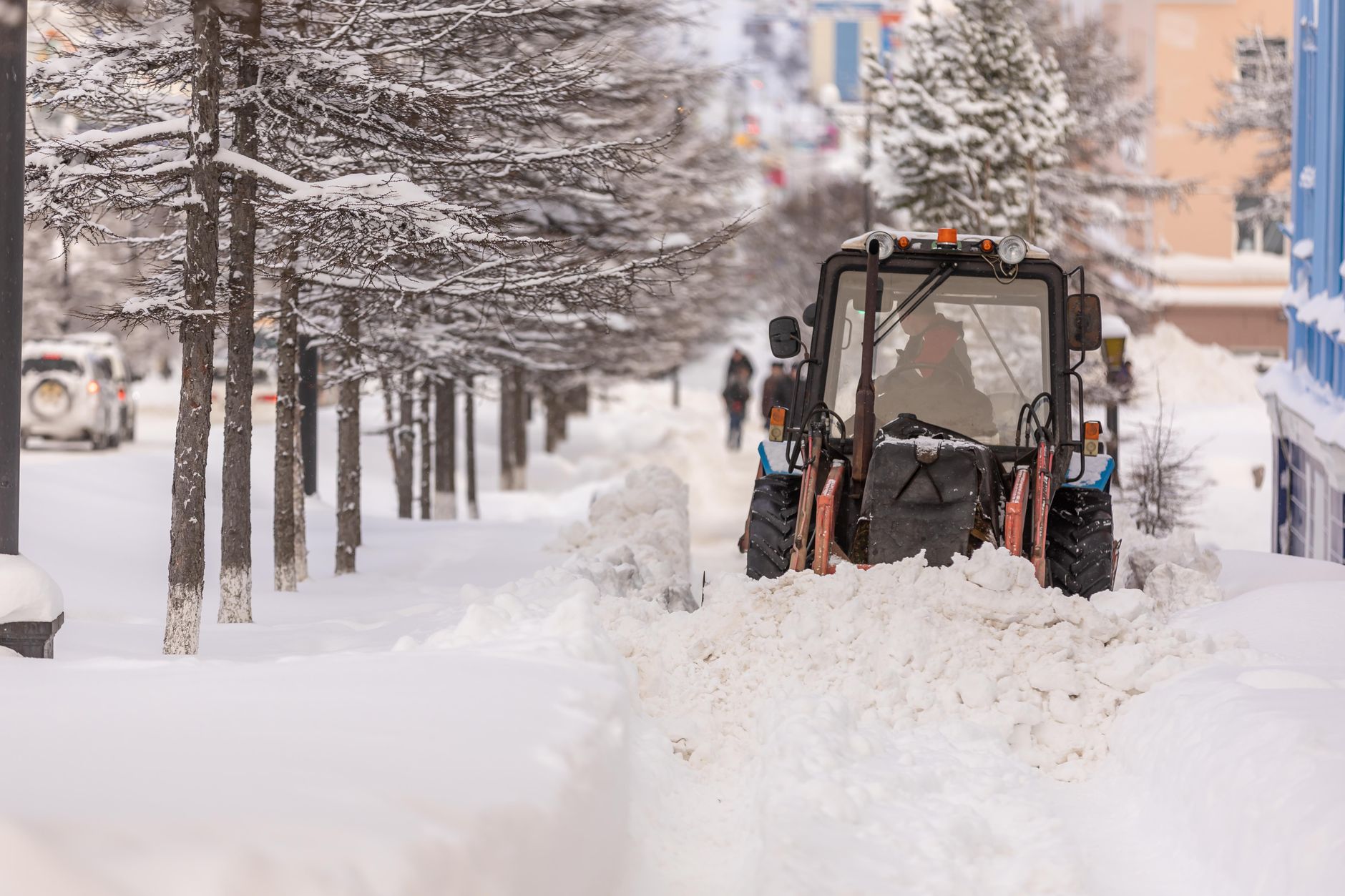
Snow removal is one of the most reliable seasonal side hustles in the country. The work is physically demanding and weather-dependent, but the economics are hard to beat: low startup costs, zero advertising budget needed to land first clients, and recurring income from the same properties all winter long. If you live in a region that gets regular snowfall, this guide covers exactly how to get started, what to charge, and how to build a client base that pays you every time it snows.
What It Actually Takes to Start
You do not need a truck, a plow, or thousands of dollars in equipment to start a snow removal side hustle. Many operators begin with a snowblower and a set of shovels, targeting residential driveways and sidewalks in their neighborhood. The barrier to entry is low, which means the opportunity exists but competition is real. The operators who build lasting income are the ones who show up reliably, communicate clearly, and price their work professionally.
Here is what startup looks like at different levels:
- Shovel-only entry level: A quality metal snow shovel ($30-$60), ice melt ($20-$40 per bag), and basic cold-weather gear. Total investment: under $200. Best for walkways, steps, and small residential driveways.
- Snowblower tier: A single-stage snowblower handles lighter snowfalls (under 8 inches) and runs $300-$700 new. A two-stage machine handles heavier accumulation and costs $700-$1,500. This is the sweet spot for residential routes.
- Truck and plow tier: A used pickup with a plow attachment runs $5,000-$20,000 depending on the truck age and plow brand. At this level, you are targeting commercial parking lots, property management companies, and HOA contracts. Startup costs are higher but so are the contract values.
Plan to start at whatever level your budget allows and reinvest your first-season income into better equipment. Most operators who stick with it for two seasons have upgraded significantly by year three.
Licensing, Insurance, and Legal Setup
Most states do not require a specific license to shovel driveways or plow parking lots, but a few things are non-negotiable if you want to take this seriously:
Business Formation
Register as an LLC before you start taking money. Snow removal carries real liability — someone slips on ice you were hired to clear and you can be named in a lawsuit. An LLC separates your personal assets from your business. Formation costs $50-$150 in most states. The SBA’s registration guide walks you through the process for your state.
General Liability Insurance
A $1 million general liability policy runs $500-$1,200 per year for a solo operator. This is not optional if you want commercial contracts — most property managers require proof of insurance before signing. Thimble, Next Insurance, and State Farm all offer affordable policies for small service businesses.
Contracts
Use a written service agreement for every client. Include: services to be performed, trigger conditions (what snow depth activates service), pricing structure, payment terms, and a liability disclaimer. A basic template from a platform like Jotform or Lawdepot costs nothing and protects you from disputes.
How to Price Snow Removal Work
Pricing snow removal is straightforward once you understand the two main structures operators use.
Per-Push Pricing
You charge a flat fee each time it snows above a trigger depth (typically 2 inches). This is the most common structure for residential clients. Standard residential rates by region:
- Small driveway (1-2 cars): $25-$50 per push
- Medium driveway (3-4 cars): $50-$80 per push
- Large driveway or circular drive: $80-$150 per push
- Sidewalk and walkway add-on: $10-$20 extra
- Ice melt application: $10-$25 extra
Seasonal Contracts
You charge a flat fee for the entire season regardless of how many times it snows. Clients prefer this for predictability; you prefer it because a low-snow year is very profitable. Seasonal rates are typically 8-12 times the per-push rate based on your area’s average number of snow events. For a driveway priced at $40 per push in a market that averages 10 snowfalls per year, a seasonal contract would run $320-$480.
Offer both options. Upsell seasonal contracts because they guarantee your income and lock in clients before the first snowfall.
Commercial Pricing
Commercial lots are priced by square footage or acreage. A small retail parking lot (5,000-10,000 sq ft) typically runs $75-$200 per push. A large lot or multi-entrance property can bring $300-$600 per push. Commercial clients often require a 24/7 service-level agreement (clear within X hours of snowfall), so factor that into your pricing and capacity.
How to Get Your First Clients
Most operators get their first five to ten clients before the season starts, without spending a dollar on advertising.
Neighborhood Door Hangers
Walk your target neighborhood in October or early November before the first snow. Leave a door hanger or printed flyer at 100-200 homes. Include your name, phone number, services, pricing, and a simple call to action (“Text me to get on the route this season”). Conversion rates of 3-5% are normal, meaning 3-10 clients from 100 flyers in a decent area.
Nextdoor and Facebook Groups
Post in your neighborhood’s Nextdoor page and local Facebook groups in early fall. Be specific: your name, your neighborhood, your price range, and how to book. Ask satisfied clients to recommend you. Word-of-mouth travels fast in close-knit neighborhoods, especially for reliable service providers.
Google Business Profile
Create a free Google Business Profile. When someone searches “snow removal near me” before a storm, a verified local profile with reviews gets clicks. This takes 15 minutes to set up and pays dividends all season.
Property Management Companies
Call or email property management companies in your area in September. They manage HOAs, apartment complexes, and commercial properties — and they need reliable contractors before winter hits. A single property management contract can be worth $5,000-$20,000 for a full season.
Realistic Income Ranges
A solo operator with a snowblower and 20-30 residential clients can realistically earn $800-$2,500 per storm event, depending on rates and service area density. In a region that gets 10-15 snowfalls per year, that is $8,000-$37,500 in seasonal revenue with the right client base.
Commercial operators with a truck and plow typically earn more per hour but carry higher overhead. A well-run two-person crew targeting small commercial lots can generate $1,500-$4,000 per storm in high-demand areas.
Snow removal is seasonal, which is the main limitation. Many operators pair it with a complementary summer service — lawn care, landscaping, or pressure washing — to turn it into a year-round business. If you are already running a summer service business, snow removal is an obvious add-on with the same client base.
For more ideas on building out a full service-based business, check out our guides on how to start a lawn care business and how to start a pressure washing business — both pair well with snow removal routes.
Equipment to Know Before You Buy
A few product notes worth knowing before you spend money:
- Snow blowers: The Ariens Compact 24 is a widely trusted single-stage machine for moderate residential use. For heavier snowfall, the Husqvarna ST224P or Ariens Deluxe 24 are reliable two-stage options.
- Shovels: The Suncast SC3250 poly shovel or any ergonomic-handled model reduces back strain on long driveways.
- Ice melt: Calcium chloride works at lower temperatures than standard rock salt. Buy in bulk before the season starts — retail prices spike during storms.
- Safety gear: Grippy boot attachments (Yaktrax or similar), insulated gloves, and high-visibility outerwear are worth every penny.
Scaling Beyond Solo
If your first season goes well and demand exceeds your capacity, the natural path is hiring a helper or subcontractor for busy storm days. Pay helpers $15-$25 per hour or a percentage of each job, depending on their equipment contribution. Keep client relationships and quality control in your hands.
The operators who scale most successfully focus on route density — packing as many stops as possible into a tight geographic area so travel time between jobs is minimal. A tight route of 30-40 homes within a mile radius beats a scattered list of 50 clients spread across town.
Is Snow Removal Right for You?
If you live in a snowbelt region and have even basic equipment, this is one of the few side hustles where you can go from zero to paying clients in under a week, at the right time of year. The work is real, the income is real, and the demand shows up automatically when a storm hits.
The honest downside: it is hard physical work in miserable conditions, often starting before dawn. Clients will call at 5 AM. You will be outside in a blizzard while everyone else is still asleep. If that does not bother you, the earning potential is strong and the repeat business is as consistent as the weather.
Ready to build something more? Join Hustler’s Library free for guides, tools, and real strategies for growing your business from the ground up.
Ready to Know Where You Stand?
The Business Journey dashboard maps your exact position across all 13 stages. Track your progress, unlock resources for each step, and build with a framework used by thousands of founders at Hustler's Library.

No credit card required · Takes 3 minutes · Personalized to your stage