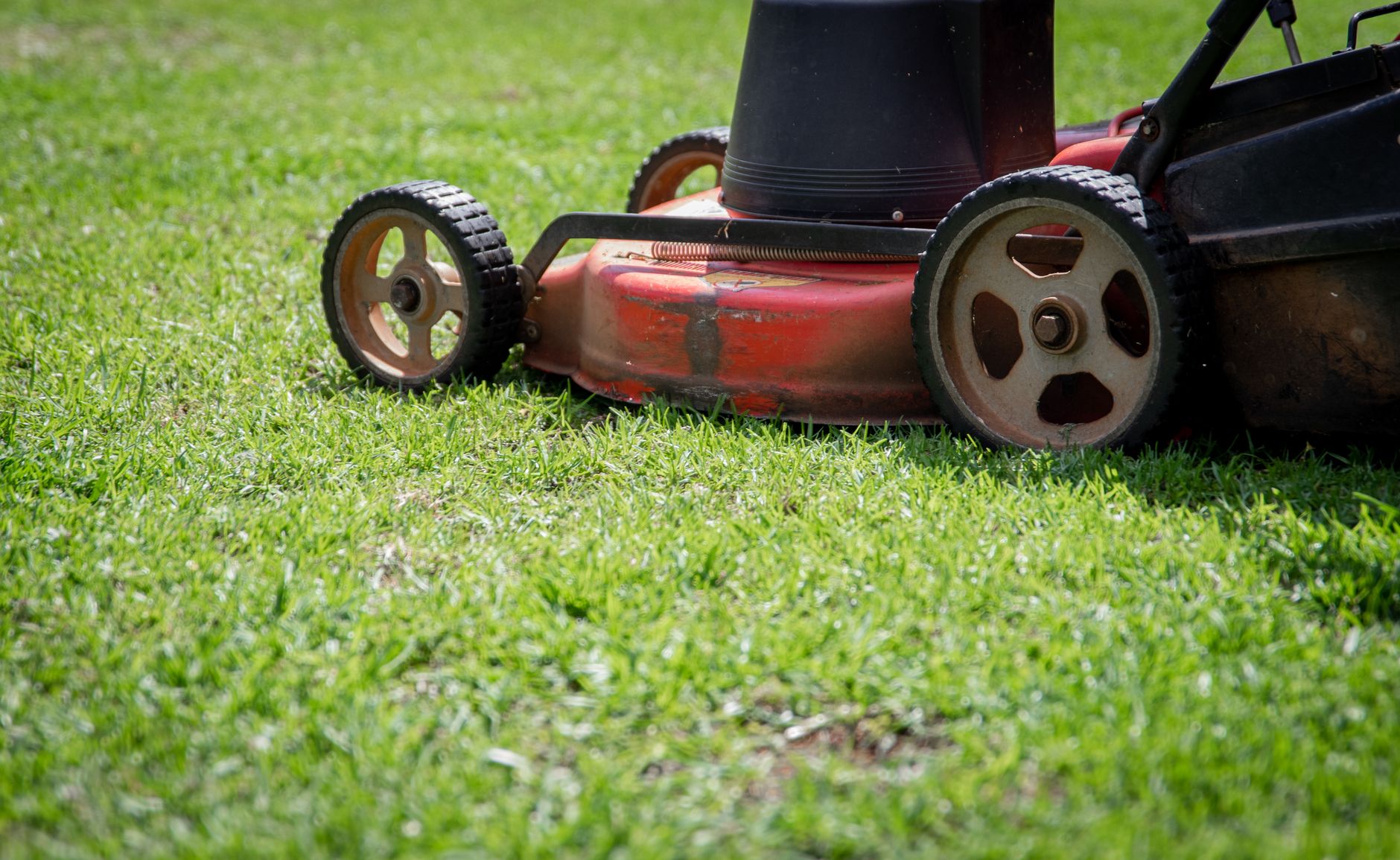
Starting a lawn care business is one of the most accessible paths to self-employment available. Startup costs are low, demand is steady, and you can be running paid jobs within a few weeks of deciding to start. That said, there is a right way and a wrong way to build this business. This guide covers what you actually need: equipment, licensing, pricing, and a realistic path to your first paying clients.
What a Lawn Care Business Actually Is (and What It Is Not)
Lawn care and landscaping are two different businesses. Lawn care means recurring maintenance: mowing, edging, trimming, blowing, and basic weed treatment. Landscaping includes design, hardscaping, irrigation, and installation work. Most new operators start with lawn care only, and many stay there because recurring weekly routes are more predictable than project-based landscape jobs.
A typical lawn care operator services 15 to 30 residential accounts per week, either solo or with a small crew. The work is physically demanding but the business model is simple. You show up, you do the work, you get paid.
Startup Costs: What You Need to Get Going
You do not need to go into debt to start a lawn care business. Here is what a realistic startup looks like in 2026:
Minimum Viable Setup (Under $2,500)
- Walk-behind mower (commercial-grade): $600 to $1,200 new. Brands like Toro, Husqvarna, and Honda hold up under weekly commercial use. A used commercial mower from a dealer is a solid option for year one.
- String trimmer: $150 to $300. Stihl and Echo are the workhorses of the trade.
- Edger: $150 to $250. You can start with a combination trimmer/edger attachment but a dedicated stick edger makes cleaner cuts.
- Backpack blower: $300 to $500. A must for professional finish work.
- Truck and trailer: If you already own a truck, a small open trailer runs $800 to $1,500. You need something to haul equipment.
- Safety gear, tarps, and basic supplies: $100 to $200.
Total minimum startup: roughly $1,500 to $2,500 if you own a truck. Factor in $5,000 to $8,000 if you need to purchase a used truck and trailer.
The goal for year one is not perfect equipment. It is getting accounts and generating revenue. Many successful operators started with a basic setup and upgraded as cash came in.
What You Can Add Later
- Zero-turn rider ($3,500 to $10,000) for large properties
- Ride-on aerator or overseed equipment for upsell services
- Enclosed trailer for security and professional appearance
- Second set of equipment when you hire a second crew
Licensing and Business Setup
Requirements vary by state, but here is what most lawn care operators need:
Business Formation
Register as an LLC in your state. It costs $50 to $150 in most states and separates your personal assets from business liability. If a client trips over a tool or your mower throws a rock through a window, you want that separation. File with your state’s Secretary of State website directly — you do not need a registered agent service to start.
Business License
Most cities and counties require a general business license ($25 to $75 per year). Check your city government website or call the clerk’s office.
Pesticide Applicator License
If you want to apply fertilizer, herbicides, or any chemical treatment, most states require a pesticide applicator license. The test is not difficult — the EPA maintains a list of state contacts where you can find your state’s certification process. Getting licensed opens up chemical services that can add $40 to $80 per lawn in upsell revenue.
Insurance
Do not skip this. General liability insurance for a one-person lawn care operation runs $500 to $1,200 per year. Policies through companies like Next Insurance, Thimble, or a local independent agent will cover property damage, bodily injury, and equipment issues. If you hire employees, you will also need workers’ comp in most states.
Pricing Your Services
Pricing is where new operators most often get burned. They underprice to get accounts, win a full schedule of underpriced clients, and realize they are working 50 hours a week for $25,000 a year. That is a job, not a business.
How to Price a Lawn
Most residential mowing jobs are priced by the square foot of turf, adjusted for complexity (obstacles, slopes, drive time). A rough starting framework:
- Small lawn (under 4,000 sq ft): $40 to $60 per visit
- Medium lawn (4,000 to 8,000 sq ft): $55 to $85 per visit
- Large lawn (8,000 to 15,000 sq ft): $80 to $130 per visit
- Very large / acre+: Price per acre, typically $50 to $80 per acre
Adjust for your market. Affluent suburbs in Atlanta or Dallas can bear higher rates than rural markets. The minimum job should be $40 — below that you are not covering drive time, fuel, and equipment wear.
Weekly vs Bi-Weekly Accounts
Weekly accounts are more profitable per hour than bi-weekly. Bi-weekly lawns grow twice as long between cuts, take longer to mow, and wear down your equipment faster. Price bi-weekly jobs at 1.25 to 1.5x your weekly rate to compensate.
Your Realistic Income Range
A solo operator running a tight route of 20 to 25 residential accounts, billing $60 average per visit, generates $1,200 to $1,500 per week in revenue during peak season. After fuel, insurance, and equipment costs (roughly 30 to 40% of revenue), you net $720 to $1,050 per week. That is $37,000 to $55,000 annually if you operate in a market with a 30-week mowing season.
Add fertilization programs, aeration, overseeding, and one-time cleanups and that number grows. Operators who build a full-service maintenance business in a good market and hire one helper can reach $80,000 to $120,000 in personal income within three to five years.
Getting Your First Clients
This is where most new operators overthink things. You do not need a fancy website on day one. You need accounts.
Start With Your Network
Tell everyone you know. Post on your personal Facebook and Nextdoor. Text neighbors. Offer a discounted first cut to anyone who signs up for weekly service. Your first 5 accounts will almost always come from people who already know you or live near you.
Door-to-Door and Targeted Flyers
Walk neighborhoods where lawns are overgrown or look neglected. Leave a door hanger or a simple printed flyer with your name, phone number, and pricing. Focus on blocks where the houses are clustered — tight geographic routes mean less drive time and more billable hours per day.
Online Platforms
Create a profile on Angi (formerly Angie’s List), Thumbtack, and Google Business Profile. Google Business Profile is free and critical — when homeowners search “lawn care near me,” the local pack results show up first. Verify your business and get even a handful of reviews and you will start getting inbound calls within a few weeks.
Jobber and LawnStarter are platforms specifically built for lawn care operators looking for new accounts. LawnStarter in particular does the marketing for you and sends you jobs — they take a cut, but for a new operator still building a direct client base, it can bridge the gap.
Retention Is Revenue
One retained weekly account is worth $1,200 to $2,000 per season. Treat your clients like they matter. Show up on time, same day every week. Text if you are running late or if weather causes a reschedule. A reliable operator with mediocre marketing beats an unreliable operator with great branding every single time.
Tools and Software to Run the Business
- Jobber ($49/month and up) — scheduling, invoicing, and client communication in one place. Worth it once you have 10+ accounts.
- Google Workspace — for email and basic record-keeping if you are not ready for Jobber yet.
- Square or Stripe — to accept credit card payments on the spot or via invoice. Clients who pay by card pay faster and churn less.
- Waze or Google Maps — for routing your schedule efficiently. Driving 45 minutes between jobs kills your hourly rate.
For books worth reading on building a service business from the ground up, Amazon has a solid selection of lawn care business guides that cover everything from route optimization to hiring your first employee.
When to Hire Help
Most operators hire their first employee when they have more work than they can service solo and are turning away accounts. That typically happens around 25 to 35 accounts. A part-time helper running routes with you lets you nearly double your capacity without doubling your overhead. Start with a 1099 subcontractor relationship if your state allows it — but consult an accountant on proper classification.
If you need help getting started with marketing, landing pages, or branded materials, Fiverr has affordable freelancers for logo design, flyer layout, and simple websites.
Related Reading
- How to Start a Pressure Washing Business: Equipment, Pricing, and First Clients — a strong add-on service to offer your existing lawn care clients.
- How to Start a Landscaping Business — the next step when you are ready to move beyond maintenance into design and installation work.
- How to Start a Side Business While Working a Day Job — if you are building this while still employed full-time, this guide covers the logistics.
The Bottom Line
A lawn care business is not glamorous, but it is one of the most reliable paths to steady self-employment income you can find. The barriers to entry are low, the demand is built-in, and a competent operator who shows up consistently and treats clients well will always have work. Your first year is about building accounts and tightening your routes. Year two is about upselling services and adding help. By year three, you should have a business, not just a job.
Ready to build something real? Join Hustler’s Library free for more guides, tools, and strategies for entrepreneurs and side hustlers.
Ready to Know Where You Stand?
The Business Journey dashboard maps your exact position across all 13 stages. Track your progress, unlock resources for each step, and build with a framework used by thousands of founders at Hustler's Library.

No credit card required · Takes 3 minutes · Personalized to your stage