Most small business owners think about growing revenue in one of two ways: get more customers or sell more to existing ones. But there is a third path that most people overlook entirely — licensing. If you have built something valuable, whether that is a brand, a process, a product design, or a piece of software, licensing lets other people pay you to use it. Done right, it turns your intellectual property into a recurring revenue stream that works even when you are not.
This guide breaks down what licensing is, how it works for small businesses, the different types of licensing deals you can pursue, and how to structure one without getting burned.
What Is Business Licensing (And Why Should You Care)?
Licensing is a legal agreement where you (the licensor) give another person or company (the licensee) the right to use something you own — usually in exchange for a fee, a royalty, or both. The licensee gets access to your asset. You keep ownership.
You have seen licensing in action your whole life. When a children’s character shows up on a cereal box, that is licensing. When a software tool charges per user per month, that is licensing. When a fast food franchise uses a brand name and proprietary recipes, that is licensing too.
Small businesses can play this game too. You do not need to be a multinational corporation to license your brand, your method, your recipe, your software, or your content. You just need something other people want to use and the willingness to structure a deal around it.
What Can You License?
Before you can license anything, you need to know what you have. Here are the most common things small business owners license successfully:
- Trademarks and brand names — If your brand has equity in a specific market, other businesses may pay to use it in adjacent territories or product categories.
- Proprietary processes or methodologies — If you have developed a system that gets results, you can license the method to others operating in non-competing markets.
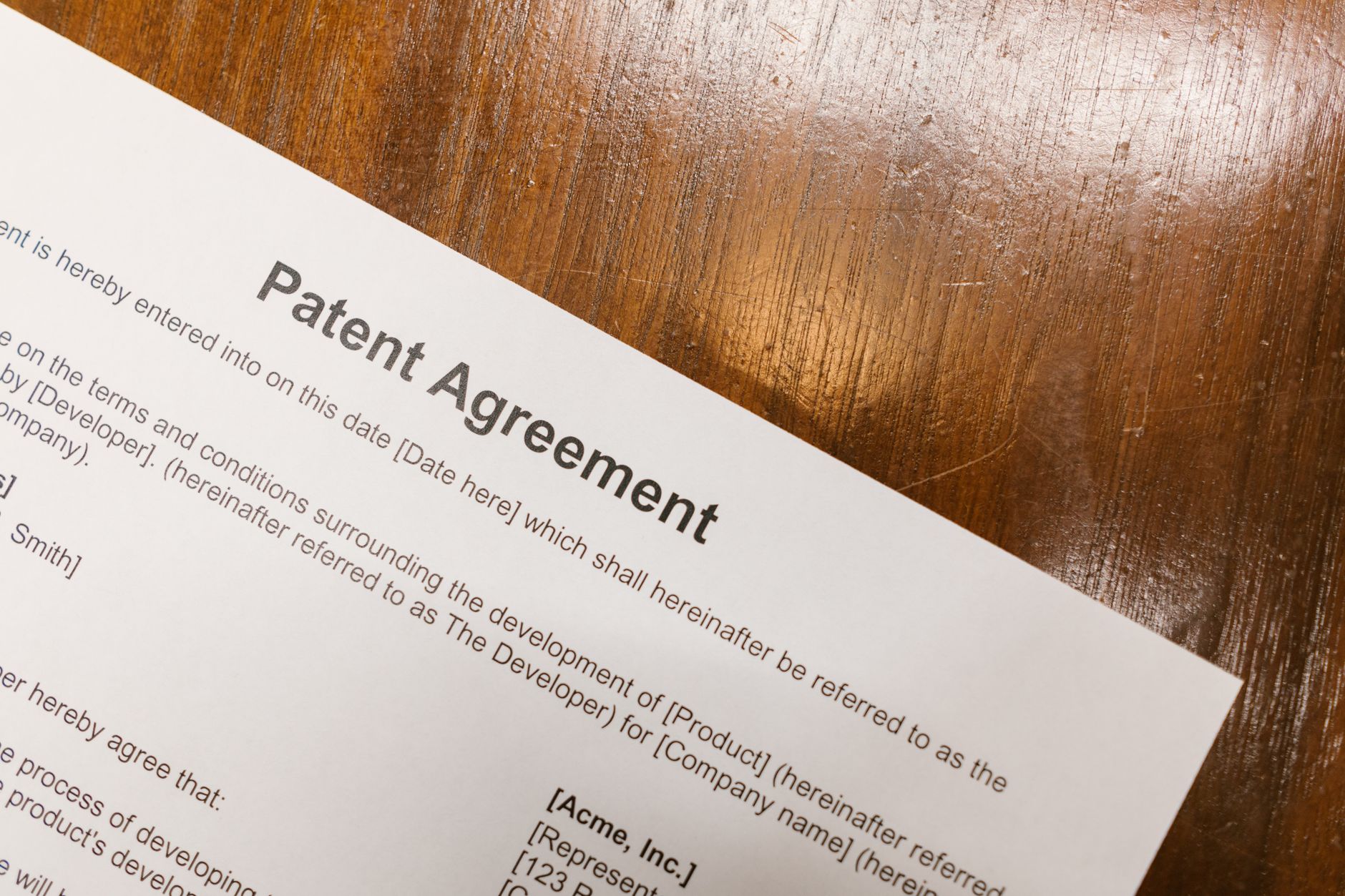
- Product designs and patents — If you have designed a physical product, manufacturers can pay you a royalty to produce it under their label.
- Software and apps — If you have built a digital tool, SaaS licensing is one of the most scalable revenue models in existence.
- Content and curricula — If you have built a course, training program, or framework, you can license it to companies for internal training or resale.
- Franchise-style systems — Not technically licensing, but a close cousin. If your business is replicable, a full franchise or licensing-heavy system lets others run your model.
Not sure what you have that is worth licensing? Start by asking: what do people ask me how I do? What would take a competitor years to replicate? That is where your licensable asset likely lives.
Types of Licensing Deals
Not all licenses are the same. Understanding the common structures will help you figure out which one fits your situation.
Exclusive vs. Non-Exclusive
An exclusive license gives one licensee the sole right to use your asset — often limited to a territory, industry, or time period. Because you are giving up the ability to license to anyone else in that space, you can charge significantly more for it. A non-exclusive license lets you license to multiple parties simultaneously. The per-deal fee is lower, but the volume can make up for it.
Royalty-Based vs. Flat Fee
With a royalty model, the licensee pays you a percentage of sales or revenue generated using your asset. This aligns incentives — they do well, you do well. With a flat fee, they pay a set amount upfront or on a recurring basis regardless of performance. Flat fees are more predictable; royalties have higher upside.
Sub-Licensing Rights
Some licensees will want the right to sub-license your asset to their own partners or customers. This can work in your favor if structured correctly — more distribution for your IP — but it can also dilute quality control. Be explicit about whether sub-licensing is allowed and under what conditions.
How to Structure a Licensing Agreement
This is where many small business owners get nervous, and for good reason. A poorly structured licensing deal can cost you far more than you gain. Here is what every solid licensing agreement should address:
- Scope of the license — What exactly is being licensed? Get specific. A trademark license is not the same as a license to use your entire brand identity system.
- Territory — Where can the licensee operate? Geographic restrictions protect your ability to sell or license in other markets.
- Duration — How long does the agreement last? Include renewal terms and what happens at expiration.
- Payment terms — Royalty rate or flat fee, payment schedule, reporting requirements, and audit rights.
- Quality control — How will you ensure the licensee maintains your standards? This is especially critical for brand licensing.
- Termination clauses — What conditions allow either party to exit the agreement early? Protect yourself against non-payment, misuse, and reputational damage.
- IP ownership — Confirm that you retain ownership of the underlying asset. This should be explicit, not implied.
The SBA’s business licensing resources can help you understand the legal foundation before you start negotiating. For the actual agreement, get an attorney to review it — licensing disputes can be expensive, and a few hundred dollars spent upfront can save you thousands later.
How to Find Licensing Partners
Licensing only works if you can find the right partners to license to. Here is where to look:
- Complementary businesses in other markets — If you run a successful cleaning service in Phoenix, a cleaning operation in Denver might pay for your system and brand if you are not operating there.
- Industry trade shows and associations — These are prime venues for finding licensees who are actively looking for proven systems or brands to work with.
- Direct outreach — If you know who would benefit from your IP, reach out. A short pitch outlining the opportunity and what you bring to the table is often enough to start a conversation.
- Licensing agents and brokers — For product design and patents especially, licensing agents work on commission to connect inventors and creators with manufacturers and distributors.
Before approaching potential licensees, make sure your IP is properly protected. Trademarks should be registered with the USPTO. Patents should be filed before you start shopping your invention. Copyrights attach automatically but registration strengthens your legal position significantly. If you need help getting your legal ducks in a row, LegalZoom offers affordable IP protection services designed specifically for small business owners.
What to Watch Out For
Licensing has real upside, but there are pitfalls to avoid:
- Under-valuing your IP — Do market research before you set your price. What do comparable licenses cost? What is the revenue potential for the licensee? Price accordingly.
- Losing quality control — A bad licensee can damage your brand. Build monitoring and termination rights into every agreement.
- Ignoring jurisdiction — Licensing across state or international lines adds legal complexity. Make sure your agreement specifies which state’s laws govern disputes.
- Skipping the audit clause — If you are getting paid royalties, you need the right to audit the licensee’s books. Without it, you have no way to verify you are being paid correctly.
- Not protecting your IP first — Licensing unprotected IP is a recipe for losing it. Register before you license.
Licensing as a Growth Strategy
The best thing about licensing is the leverage. You do the hard work once — building the brand, the system, the product — and then collect returns as others use it. It is not passive income in the fantasy sense of the phrase, but it is as close as most business owners get to multiplying their time.
It pairs especially well with other growth strategies. If you have been exploring joint ventures or thinking about how to build a stronger personal brand, licensing can be the natural next step once you have proven your model and built IP worth monetizing.
Start small if you need to. License to one partner in one market and work out the kinks before scaling. A single licensing deal structured well can generate meaningful recurring revenue — and it proves the concept for the next one.
Want more strategies like this for running and growing your business? Join thousands of entrepreneurs at Hustler’s Library — free access to our full resource library, guides, and tools built for business owners who are serious about growth.
Ready to Know Where You Stand?
The Business Journey dashboard maps your exact position across all 13 stages. Track your progress, unlock resources for each step, and build with a framework used by thousands of founders at Hustler's Library.

No credit card required · Takes 3 minutes · Personalized to your stage