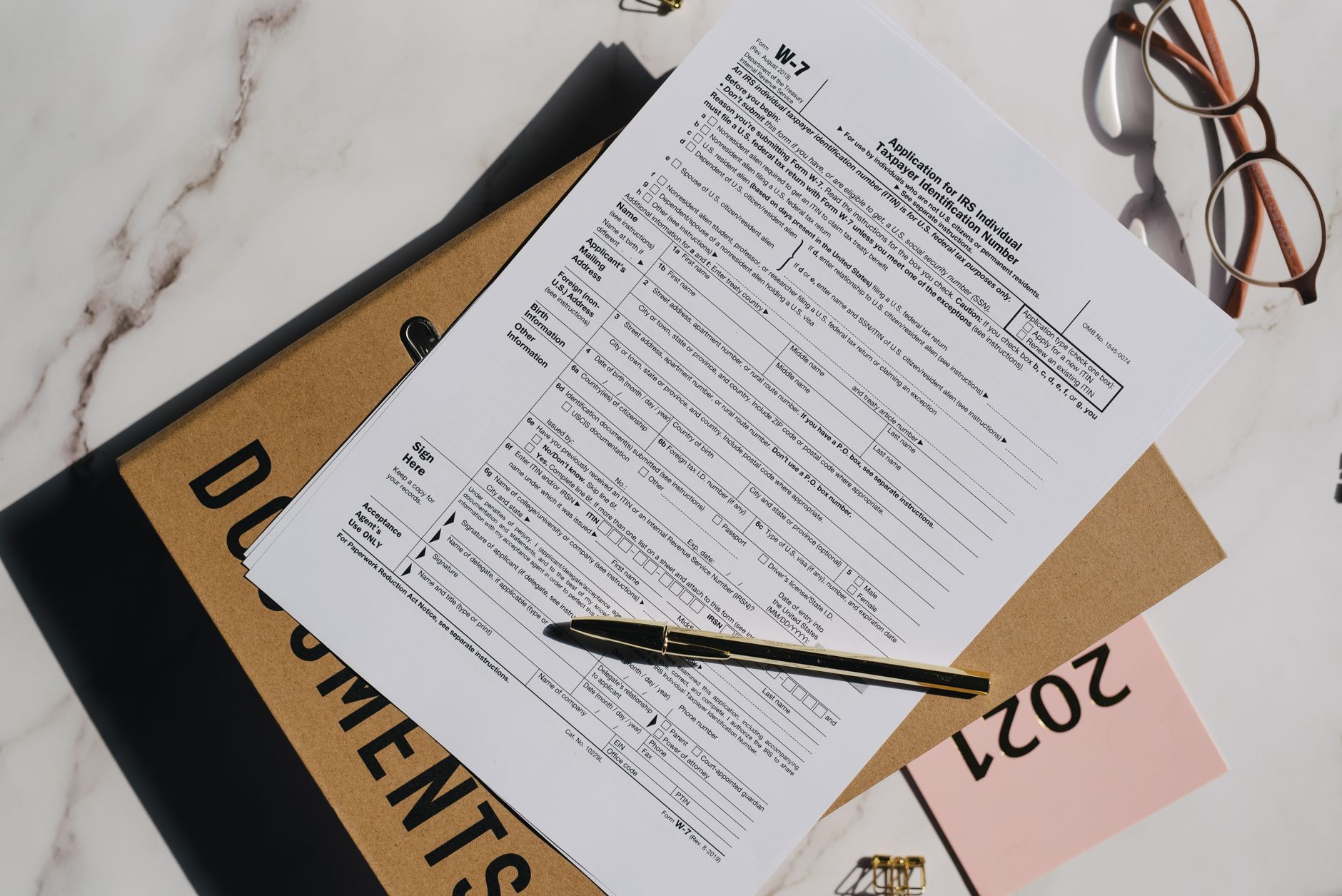
Due diligence is the part of a business sale where the buyer gets to look under the hood. After the Letter of Intent is signed, the buyer gets access to the business’s financial records, contracts, operations, and anything else that could affect the value or risk of the deal. If something does not add up, this is when it surfaces.
For sellers, due diligence feels like an audit that you did not ask for. For buyers, it is the only real protection against buying a problem. Understanding what due diligence involves, and preparing for it in advance, is one of the highest-leverage things a seller can do to close a deal faster and at a higher price.
What Due Diligence Actually Is
Due diligence in M&A is the formal process where a buyer investigates a business before completing a purchase. It follows the Letter of Intent and typically runs 30 to 60 days. The goal is to verify that the seller’s representations are accurate and identify any risks, liabilities, or issues that could affect the deal terms.
At the small business level, due diligence is less formal than what happens in large corporate deals, but it covers many of the same areas. Buyers want to confirm the financial performance, understand the customer base, review legal obligations, and assess whether the business can operate without the current owner.
If problems come up during due diligence, the buyer can ask to renegotiate the price, request an escrow holdback to cover potential liabilities, or in serious cases, walk away from the deal entirely.
What Buyers Will Ask For
Financial Records
This is the core of due diligence for most small business deals. Buyers will ask for three years of tax returns, three years of profit and loss statements, balance sheets, and recent bank statements. They want to reconcile what the seller reported on tax returns with what the business actually produced.
Buyers look for trends: is revenue growing or declining? Are expenses well-controlled? Are there one-time items that inflated income in certain years? A quality of earnings review, done by a CPA, goes even deeper and is common in deals above $1 million.
Customer and Revenue Concentration
If one customer accounts for 30 percent or more of revenue, that is a red flag. Buyers will ask for a customer list, revenue by customer for the past two to three years, and information about contract terms. They want to know: what happens to revenue if the biggest customer leaves after the sale?
Sellers with diversified customer bases have more leverage here. If your top ten customers account for less than 40 percent of total revenue, that is a good story to tell.
Legal and Compliance Documents
Buyers will review business formation documents, operating agreements, any litigation history, regulatory licenses, and permits required to operate. Outstanding legal disputes, unpaid taxes, or lapsed licenses are all deal problems that need to be resolved before or at closing.
The IRS has processes for requesting tax transcripts and compliance history. Buyers and their attorneys often request these directly. The IRS business tax compliance resources are worth reviewing if you have any uncertainty about your standing.
Contracts and Key Agreements
Buyers want to see every material contract: leases, vendor agreements, customer contracts, employee agreements, non-compete clauses, and any licensing arrangements. They need to know which contracts can be assigned to a new owner and which require third-party consent.
A lease that cannot be assigned or a key vendor contract with a change-of-control clause can complicate or kill a deal. Review your contracts in advance and flag any that require landlord or counterparty consent before sale.
Employees and Payroll
Buyers will review an employee roster, compensation structure, any employment contracts, and payroll records. They want to understand who is critical to operations and what happens to those people after the deal. They will also look for any outstanding wage claims, benefits liabilities, or HR issues.
If the business has key employees who could leave when the owner sells, buyers will often negotiate retention bonuses or employment agreements as a condition of closing.
Operational Documentation
Can this business run without you? Buyers are essentially buying a system, not just a revenue number. They will ask for standard operating procedures, training materials, software and technology systems, supplier relationships, and any intellectual property the business owns.
Businesses that are well-documented and not entirely dependent on the owner’s personal relationships command higher valuations and attract more buyers.
How to Prepare for Due Diligence as a Seller
Start Organizing 12 Months Out
Do not wait until you have a signed LOI to get your documents in order. Create a data room, which is a secure folder or cloud storage location, and start loading it with financial records, contracts, and legal documents. When due diligence starts, you want to be able to respond to requests within 24 to 48 hours, not scramble for weeks.
Get Your Books Professionally Prepared
Messy or informal bookkeeping kills deals. Buyers and their CPAs need clean, consistent financial records. If your books are a mix of spreadsheets, QuickBooks, and personal guesses, hire a bookkeeper or CPA to clean them up before you go to market. Getting a formal business appraisal can also help you understand what a buyer will see before they see it.
Resolve Outstanding Issues in Advance
Unpaid payroll taxes, unresolved lawsuits, expired licenses, and verbal-only customer agreements all create problems during due diligence. Work through your known issues before going to market. The more you resolve in advance, the smoother the process and the less leverage a buyer has to renegotiate price.
Prepare a Seller’s Disclosure Package
Proactive disclosure builds trust and moves deals faster. Put together a package that covers: your business model, key customer relationships, employee overview, equipment and assets, known risks, and any pending legal matters. Buyers who receive this kind of organized disclosure move through due diligence faster and are less likely to develop cold feet.
Due Diligence Red Flags That Kill Deals
Revenue that cannot be verified against bank deposits. Tax returns that show significantly less income than the seller claimed. Key customer contracts that are verbal or month-to-month. A lease that expires within 12 months with no renewal option. Employees who say they will quit when the owner leaves. Regulatory violations or unpaid taxes.
Any of these can cause a buyer to walk, renegotiate the price downward, or demand a significant escrow holdback. Most of them are avoidable with preparation.
How Due Diligence Connects to the Rest of the Deal
Due diligence happens after the LOI and before the purchase agreement is finalized. Read What Is a Letter of Intent (LOI)? to understand what comes before, and review the complete deal process in M&A for Small Business: The Complete Guide.
Knowing your business’s valuation before you enter due diligence also helps you defend your price if a buyer tries to use minor findings to chip away at the number. See SDE vs EBITDA: Which Valuation Method Is Right for Your Business? to understand how your financials translate to value.
Bottom Line
Due diligence is not something that happens to you. It is something you prepare for. Sellers who show up organized, with clean records and resolved issues, close faster, at higher prices, and with fewer headaches. The preparation starts well before the deal, not after the LOI is signed.
Get more tools and guidance for your business journey at Hustler’s Library, free to join.
Ready to Know Where You Stand?
The Business Journey dashboard maps your exact position across all 13 stages. Track your progress, unlock resources for each step, and build with a framework used by thousands of founders at Hustler's Library.

No credit card required · Takes 3 minutes · Personalized to your stage