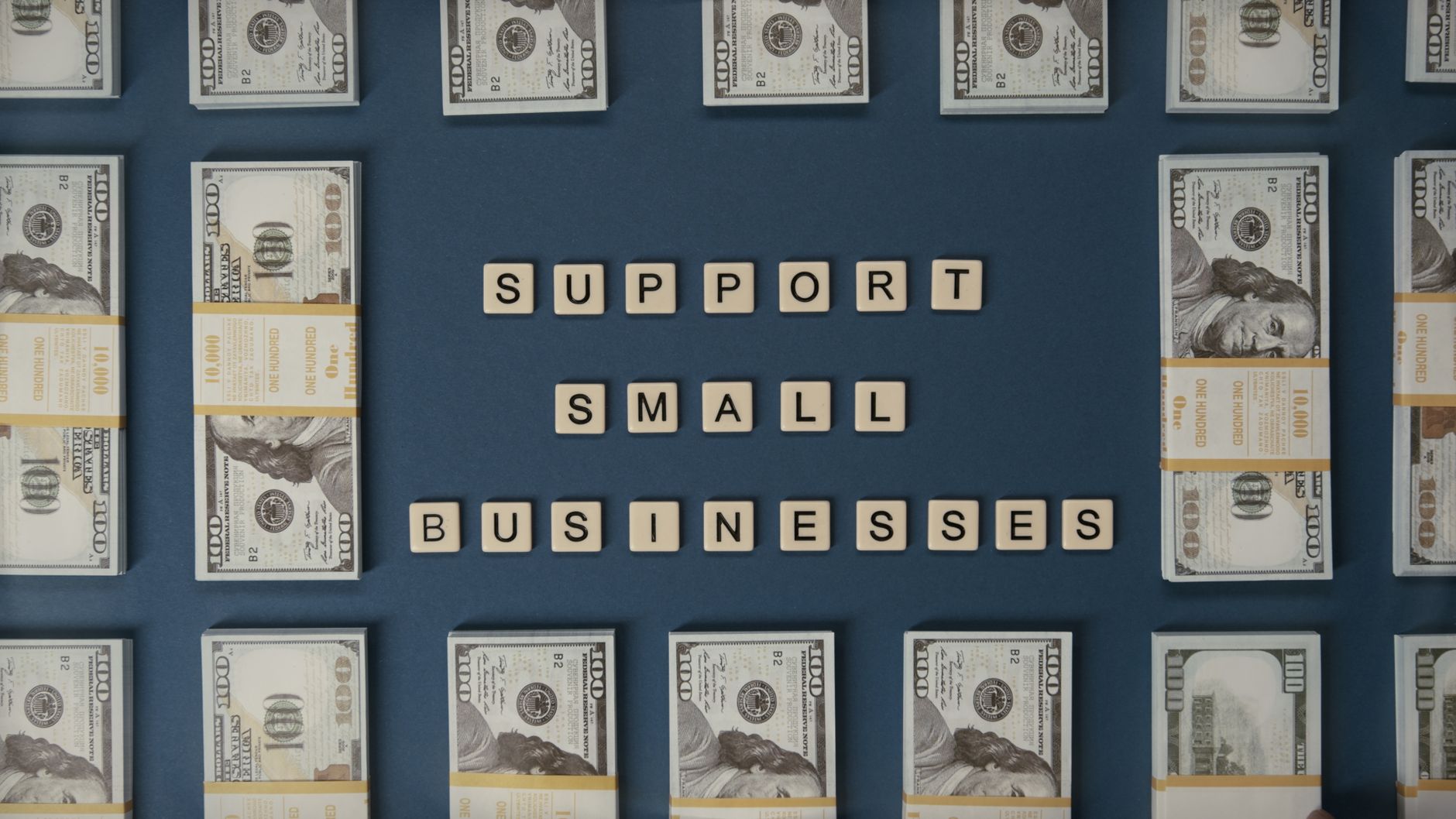
The federal government just made it easier for small businesses to access serious capital. According to the Small Business & Entrepreneurship Council (SBE Council), published August 24, 2026, four significant capital access developments are quietly reshaping the funding landscape for America’s entrepreneurs. The headline: the SBIC program just got a major upgrade, and a proposed change to crowdfunding rules could unlock millions more for Main Street businesses.
What This Actually Means
For most small business owners, “capital markets” sounds like something that only matters to Silicon Valley. It doesn’t. The Small Business Investment Company (SBIC) program, the SEC’s crowdfunding rules, and SBA loan access directly affect whether you can borrow money to grow, hire, or survive a slow quarter.
The Investing in All of America Act, signed into law in May, boosted the SBIC program significantly: leverage caps per fund rose to $250 million, and $475 million per fund family. That means more private capital is now legally able to flow into small businesses in rural areas, manufacturing, and critical tech sectors. And new bonus incentives are targeting low-income communities and HUBZone businesses specifically.
Meanwhile, the SEC is considering a separate but equally important change: raising the Regulation Crowdfunding cap from $5 million to $20 million. Right now, if you want to raise growth capital from everyday investors online, you’re capped at $5M. A $20M ceiling would fundamentally change what’s possible for founder-led businesses looking to scale without giving up control to traditional VCs. The proposal was formally presented in the SEC’s annual report to Congress on July 27, 2026.
These aren’t distant policy discussions. They’re live, they’re funded, and if you own a business, they could affect what financing is available to you within the next 12 to 18 months.
The Numbers Behind It
The SBIC program’s track record makes the case for why this expansion matters. According to SBE Council’s reporting on SBA data:
- SBIC funds invested $8.2 billion in 1,315 small businesses during FY2025 alone.
- The program manages more than $53 billion in total capital, expected to approach $55 billion by year-end.
- Since 1958, SBIC funds have invested more than $147 billion in U.S. small businesses and supported more than 10 million jobs since 1995.
- The default rate on government leverage is less than 1%, with zero taxpayer subsidy since 2000.
These numbers matter because they prove the model works. SBIC funds backed early-stage Apple, Intel, FedEx, and Tesla. The question isn’t whether the program delivers. It’s whether enough businesses know they’re eligible.
The access gap is real: according to the SBA, there are 33.2 million small businesses in the United States, yet only a fraction of them have ever engaged with SBIC-backed capital or used equity crowdfunding as a growth tool. Most business owners default to bank loans or credit cards and leave a lot of strategic options on the table.
For more on how to manage business debt strategically alongside growth financing, we’ve covered that ground in depth.
The Hustler’s Library Take
Here’s the honest read: most small business owners will not benefit from SBIC capital directly. SBIC funds invest through licensed intermediaries. They’re not writing checks to the corner restaurant or the solo consultant. But that’s the wrong way to think about this.
These policy changes matter because they expand the total pool of capital available in the ecosystem. More money flowing into growth-stage small businesses means more competition for your talent, more customers with spending power, and more tools getting built for operators like you. The rising tide is real.
The crowdfunding change is different. That one could directly help founders who want to raise from their customer base, community, or early fans. If you run a business with an engaged audience and a story worth telling, the ability to raise up to $20 million from non-accredited investors is a genuine alternative to bank debt or giving up equity to a VC. Watch that SEC petition carefully.
And don’t sleep on the geographic angle. If your business is in a rural area, a HUBZone, or a low-income community, you may now be sitting in a zone specifically targeted for bonus SBIC leverage. That’s not charity. That’s government-backed capital with a mandate to reach you. Knowing this is half the battle. Many owners who could qualify for smarter financing tools simply never look for them.
The bigger pattern here: the old model of “bank loan or bootstrap” is giving way to a more diverse capital stack. AI-enabled startups are raising at scale, equity crowdfunding is expanding, and SBIC capital is targeting new sectors. Smart founders are paying attention.
What You Should Do
You don’t need to be a policy wonk to act on this. Here’s where to start:
- Check if your business is in an SBIC-targeted zone. Use the SBA HUBZone Map and the CDFI CIMS Map to see if your address qualifies under the new “All of America” bonus leverage criteria. This takes 10 minutes and could change your financing options significantly.
- Understand Regulation Crowdfunding before you need it. Read up on how Reg CF works and what platforms support it (Wefunder, Republic, StartEngine). If the cap moves to $20M, the window to raise from your community becomes a lot more interesting. Start building your audience now, not when you need money. Our guide on setting and hitting revenue goals ties directly into building the kind of business story investors want to fund.
- Talk to an SBIC-connected lender or fund manager. Search the SBA’s licensed SBIC directory for funds operating in your sector. If you’re in manufacturing, critical tech, or a rural community, you now have a policy tailwind behind you. That’s a conversation worth having before you default to a high-interest line of credit.
Capital access is one of the most persistent barriers to growth for small businesses. These four developments don’t fix everything. But they’re moving in the right direction and if you’re not paying attention, someone else will be.
Want more moves like this in your inbox? Join Hustler’s Library free and get the business intel that actually matters.
Ready to Know Where You Stand?
The Business Journey dashboard maps your exact position across all 13 stages. Track your progress, unlock resources for each step, and build with a framework used by thousands of founders at Hustler's Library.

No credit card required · Takes 3 minutes · Personalized to your stage