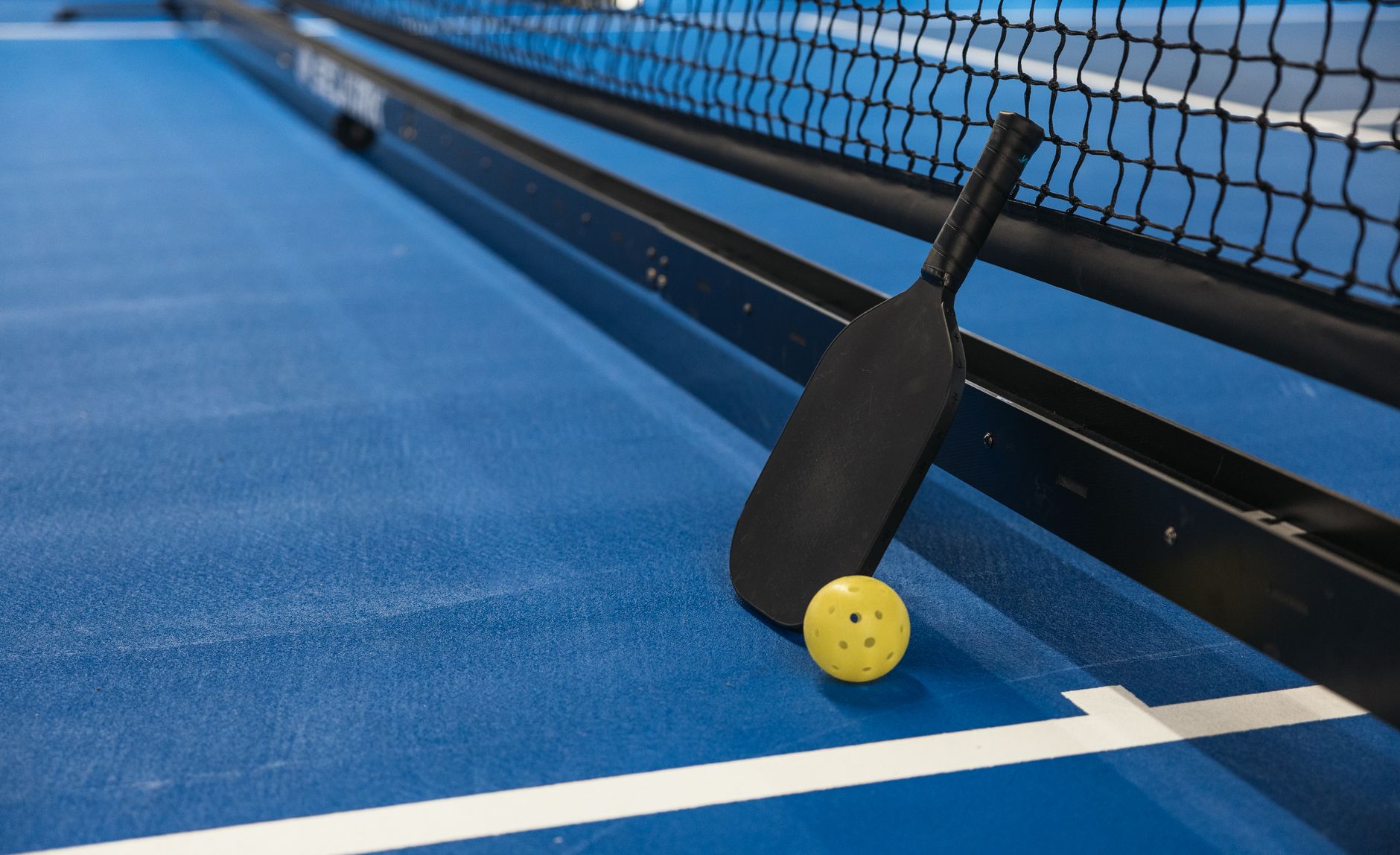
James Ignatowich was a four-time PPA champion and former world No. 2 pickleball player. He hated his paddle. So he called his childhood friend Marwan Abaza and complained about it repeatedly, until one day the venting turned into a business plan. Last September, the two launched RPM Pickleball with no outside funding. A year later, the brand is on pace for $31 million in annual sales, brought in $4.5 million in a single month, and has shipped more than 35,000 paddles to 100 countries.
No investors. No venture capital. No brand partnerships out of the gate. Just two friends who saw a gap in a fast-growing market and engineered their way into it.
The Real Story Here
The insight Ignatowich and Abaza identified is one that most entrepreneurs overlook: in most sports, the gear is designed for the median player, not the best one. In pickleball, beginners and professionals were using the same paddles, and those paddles were optimized for casual play. That’s not how tennis works. Racquet brands design for the pros first; recreational players follow because they want what the elite use.
RPM flipped the script. “We decided to make a paddle that was made for pros,” Ignatowich said. That single positioning decision created a premium price point, a performance narrative, and a built-in audience of competitive players who influence everyone below them in the skill ladder.
Abaza, who plays D1 tennis and studies computational data science, brought the technical rigor. The two founders spend half the year on factory floors in China, adjusting foam densities, heating times, and dozens of micro-specifications most paddle brands never touch. They’ve filed for multiple patent-pending technologies in the process. They’re not reselling white-label product; they’re engineering it.
By the Numbers
The Sports & Fitness Industry Association (SFIA) reported that 24.3 million Americans played pickleball in 2025, up 22.8 percent from the prior year and 171.8 percent over the previous three years. RPM launched directly into that surge. The brand was backordered for roughly half of its first year of operation, which means demand outpaced their supply chain before they even figured out how to scale it properly.
$4.5 million in a single month from a brand that didn’t exist 13 months ago. No funding rounds. No advisory board press releases. That’s not a hot take; that’s what the numbers show.
For context: the average first-year e-commerce brand generating seven figures is already considered a strong performer. RPM reached eight-figure annual run rate without diluting a single percentage point of equity.
The Hustler’s Library Take
Here’s what the Entrepreneur write-up glosses over: Ignatowich’s credibility as a world-ranked player was the product. Not the paddle. The paddle is the vehicle; the trust transfer from a known professional to an unknown brand is the actual asset. Most founders trying to break into sporting goods, beauty, apparel, or food categories don’t think about this clearly enough. If you’re launching into a category with a visible professional tier, the first question isn’t “what should I make?” It’s “who do I need to be, or who do I need to associate with, to make the product credible?”
The second thing worth noting: Ignatowich identified the next market before this one peaked. He’s already exploring training tools for pickleball, a category he says is wide open the same way golf’s training tool market is massive while pickleball’s equivalent barely exists. That’s not luck. That’s what it looks like when a founder stays close enough to the sport to see the white space clearly. Most entrepreneurs spot opportunity too late because they’re watching headlines instead of watching the actual market.
What You Should Do
1. Map the pro-to-consumer credibility chain in your industry. RPM didn’t start with a marketing budget; they started with a founder who already had professional credibility. Before you launch into any crowded category, identify who the “pros” are and whether you can build your product around their actual, specific needs. That’s not a testimonial strategy; it’s a product strategy. If your product solves a problem real professionals have, recreational buyers will follow.
2. Go to the factory floor. Ignatowich and Abaza spend half the year in Chinese manufacturing facilities. That level of hands-on involvement is how you build asymmetric advantages that aren’t easily replicated by a competitor who just orders from a catalog. If you’re sourcing physical product, know more about how it’s made than anyone else in your category. That knowledge becomes defensible IP, whether or not it’s patented.
3. Treat backorder as a signal, not just a logistics headache. RPM was backordered for half its first year. That’s a constraint, but it’s also proof of product-market fit. If you find yourself in a position where demand consistently exceeds supply, the question isn’t how to fill orders faster — it’s how to raise prices or build a waitlist that converts customers into advocates. Scarcity that’s real doesn’t need to be manufactured.
Ignatowich and Abaza didn’t pivot into pickleball from a spreadsheet analysis. They were inside the sport, felt the gap personally, and built something that solved a real problem at the professional level. That is still the most reliable path to a first product that actually sells.
For more on how entrepreneurs identify and move into emerging market opportunities before they peak, see: Emerging Markets for Entrepreneurs: Where the Real Opportunity Is in 2026.
Source: Entrepreneur | Primary data: SFIA 2026 Pickleball Participation Report
Want the playbook for building a product-first business without outside funding? Join Hustler’s Library free and get the frameworks that actually work delivered to your inbox.
Ready to Know Where You Stand?
The Business Journey dashboard maps your exact position across all 13 stages. Track your progress, unlock resources for each step, and build with a framework used by thousands of founders at Hustler's Library.

No credit card required · Takes 3 minutes · Personalized to your stage