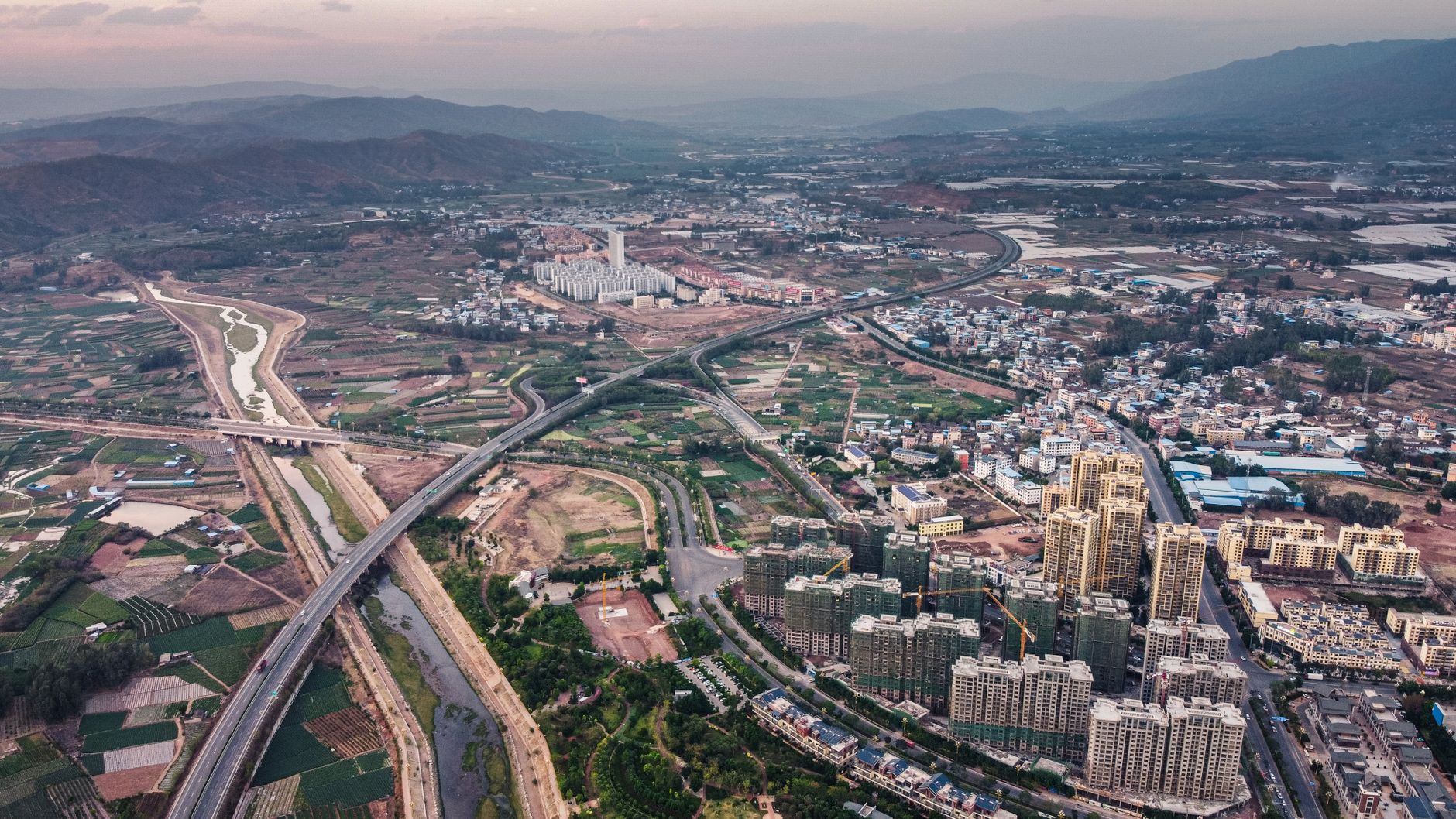
Every decade, a handful of markets move from overlooked to indispensable. The entrepreneurs who entered China in the early 1990s, Vietnam in 2005, and India around 2010 had access to market conditions that no longer exist in those places: low competition, low costs, and massive tailwinds from a rising middle class. Those windows close fast. The question for 2026 is not which markets have already matured. It is which markets are on the same trajectory right now.
Emerging markets carry real risks: currency volatility, weaker legal protections, infrastructure gaps, and political uncertainty. But they also carry returns that no developed market can match at this stage of their growth. This guide identifies the seven emerging markets with the strongest case for entrepreneur attention in 2026, with a framework for assessing risk and a clear-eyed view of the challenges in each. Data referenced includes IMF World Economic Outlook projections and World Bank development indicators.
The 7 Emerging Markets with the Strongest Opportunity in 2026
1. Nigeria (Lagos)
Nigeria is the largest economy in Africa by GDP and home to over 220 million people, the highest population on the continent. Lagos is the commercial engine: a city of 20+ million that has produced Flutterwave, Paystack, and Andela, three African tech companies that achieved global scale and international investment. The startup ecosystem is the fastest-growing in Africa, supported by a young population (median age 18), rising smartphone penetration, and a large diaspora that transfers capital and talent back into the market. The challenges are serious: infrastructure gaps (power reliability, road networks), currency volatility with the naira, and regulatory complexity require experienced local partners. Nigeria rewards operators who commit deeply and build local relationships rather than those who parachute in with a short-term mindset.
2. Indonesia (Jakarta and Bali)
Indonesia is the world’s fourth most populous country at 280 million people and a member of the ASEAN bloc, which gives it preferential trade access to a 680 million person regional market. The country’s domestic tech ecosystem is among the strongest in Southeast Asia: Tokopedia, Gojek, and Traveloka all emerged from Indonesia and achieved unicorn status. Jakarta is the commercial and financial capital; Bali has become one of the top three digital nomad destinations globally, making it a natural entry point for remote entrepreneurs who want a base from which to explore the broader Indonesian market. The middle class is expanding rapidly and consumer spending is growing in line. Key challenges: Bahasa Indonesia is required for many business registrations, and the regulatory environment for foreign-owned businesses remains complex in certain sectors.
3. Saudi Arabia
Saudi Arabia’s Vision 2030 is not marketing. The government has committed hundreds of billions of dollars to economic diversification, entertainment industry creation, tourism infrastructure, and technology investment. A country that had essentially zero tourism a decade ago now targets 100 million visitors annually by 2030. The NEOM megacity project, the sports and entertainment industry expansion, and the creation of a domestic consumer economy are all creating genuine commercial opportunities that did not exist five years ago. The government is actively courting foreign investment: 100% foreign ownership reforms are advancing, and the process for business setup has been streamlined significantly. For entrepreneurs in hospitality, entertainment, technology, and professional services, Saudi Arabia represents a genuine first-mover opportunity at scale.
4. India
India is the world’s fastest-growing major economy, with the IMF projecting 7%+ GDP growth annually through 2026 and beyond. The population has crossed 1.4 billion, making it the most populous country in the world, and the domestic consumer class is expanding rapidly as incomes rise. The payments infrastructure is world-class: UPI (Unified Payments Interface) processes over two billion transactions per month, meaning any digital business operating in India has access to a frictionless payment layer that exceeds what exists in most developed markets. The challenges are well-documented: bureaucracy at multiple levels of government, complex GST compliance, and sector-specific restrictions on foreign investment. But the trajectory is clear under the DPIIT (Department for Promotion of Industry and Internal Trade), and the scale of the opportunity justifies the complexity for businesses willing to invest in local expertise.
5. Vietnam
Vietnam is the most compelling manufacturing and services play in Southeast Asia right now. The China+1 manufacturing strategy, where global companies diversify supply chains away from sole dependence on China, has made Vietnam the top beneficiary in the region. Major electronics, apparel, and consumer goods manufacturers have relocated significant production capacity to Vietnam over the past five years. Simultaneously, the domestic consumer market is growing: the middle class is expanding, the median age is 31, and digital payment adoption is growing over 30% year on year. Vietnam consistently ranks as one of the most business-friendly environments in Southeast Asia for foreign manufacturers, and 100% foreign ownership is permitted in many sectors.
6. Kenya (Nairobi)
Kenya is the gateway to East Africa and home to what has been called the “Silicon Savannah.” The country’s M-Pesa mobile payments infrastructure, which predates mobile payments in most of the developed world, has created a financial inclusion foundation that enables digital commerce at scale. Nairobi’s startup ecosystem is growing rapidly, with international venture capital increasingly paying attention to Kenyan founders and companies. The country serves as a natural headquarters for businesses that want East Africa market coverage, with regional access to Tanzania, Uganda, Rwanda, and Ethiopia. Challenges include infrastructure variability outside Nairobi and currency risk with the Kenyan shilling.
7. Colombia
Colombia’s story over the past 15 years is one of the most dramatic economic transformations in Latin America. Medellín, once one of the world’s most dangerous cities, is now a top-ranked entrepreneurial hub with a thriving FinTech ecosystem, strong quality of life, and a growing base of international founders and investors. The country’s geographic position, GMT-5 time zone overlap with the US East Coast, and growing services export economy make it particularly attractive for US entrepreneurs. The services and technology sectors have seen the most growth, and the government has introduced incentives for foreign investment and startup formation. Currency and political risk remain moderate, but are manageable with appropriate corporate structure.
How to Assess an Emerging Market
The Four-Factor Framework
Before entering any emerging market, evaluate these four factors:
- Population pyramid: A young, growing population (median age under 30) signals expanding consumer demand over the next 20 years. Nigeria, Vietnam, India, and Kenya all score well here.
- Infrastructure trajectory: Is infrastructure improving year over year? Internet penetration, mobile payments adoption, and logistics network development are the most critical indicators for digital and consumer businesses.
- Political stability: Use the World Bank’s Political Stability Index. Markets can be volatile and still be good business environments; what matters is the direction of travel, not the absolute current score.
- Payment infrastructure: Can you collect money efficiently? Markets with mobile payment infrastructure (M-Pesa in Kenya, UPI in India) allow you to reach customers who are unbanked by traditional standards.
Managing Risk in Emerging Markets
Currency Risk
Emerging market currencies can depreciate significantly against the US dollar. Mitigate by pricing contracts in USD where possible, maintaining USD-denominated reserves outside the country, and using forex hedging instruments if your exposure is large enough to justify the cost.
Political Risk
Policy changes, ownership law shifts, and regulatory reversals are real risks. Mitigate by using international arbitration clauses in all contracts, structuring your holding company in a neutral jurisdiction (Singapore, UAE, Netherlands), and building local relationships that give you early warning of regulatory changes.
Legal System Risk
Contract enforcement in emerging markets is often slower and less predictable than in developed economies. Use local legal counsel with specific sector expertise, structure deals with clear dispute resolution mechanisms, and build relationships rather than relying solely on contractual enforcement.
Hustler’s Library Verdict
- Best risk/reward ratio for US entrepreneurs right now: Vietnam (manufacturing/supply chain play, low political risk, high growth) or Indonesia (consumer market scale, growing tech ecosystem, ASEAN access).
- Biggest long-term bets: India (scale, infrastructure investment, fastest-growing major economy) and Nigeria (Africa’s largest economy, youngest population, most active startup ecosystem on the continent).
- Best first emerging market entry: Colombia (Medellín) or Kenya, for entrepreneurs who want a manageable, lower-cost first international expansion with strong community support.
The entrepreneurs who win in emerging markets are not the ones who take the most risk. They are the ones who do the most homework, build the deepest local relationships, and structure their exposure so that upside is uncapped while downside is contained.
Access in-depth market guides, frameworks, and a network of globally-minded entrepreneurs at Hustler’s Library — join free.
Ready to Know Where You Stand?
The Business Journey dashboard maps your exact position across all 13 stages. Track your progress, unlock resources for each step, and build with a framework used by thousands of founders at Hustler's Library.

No credit card required · Takes 3 minutes · Personalized to your stage