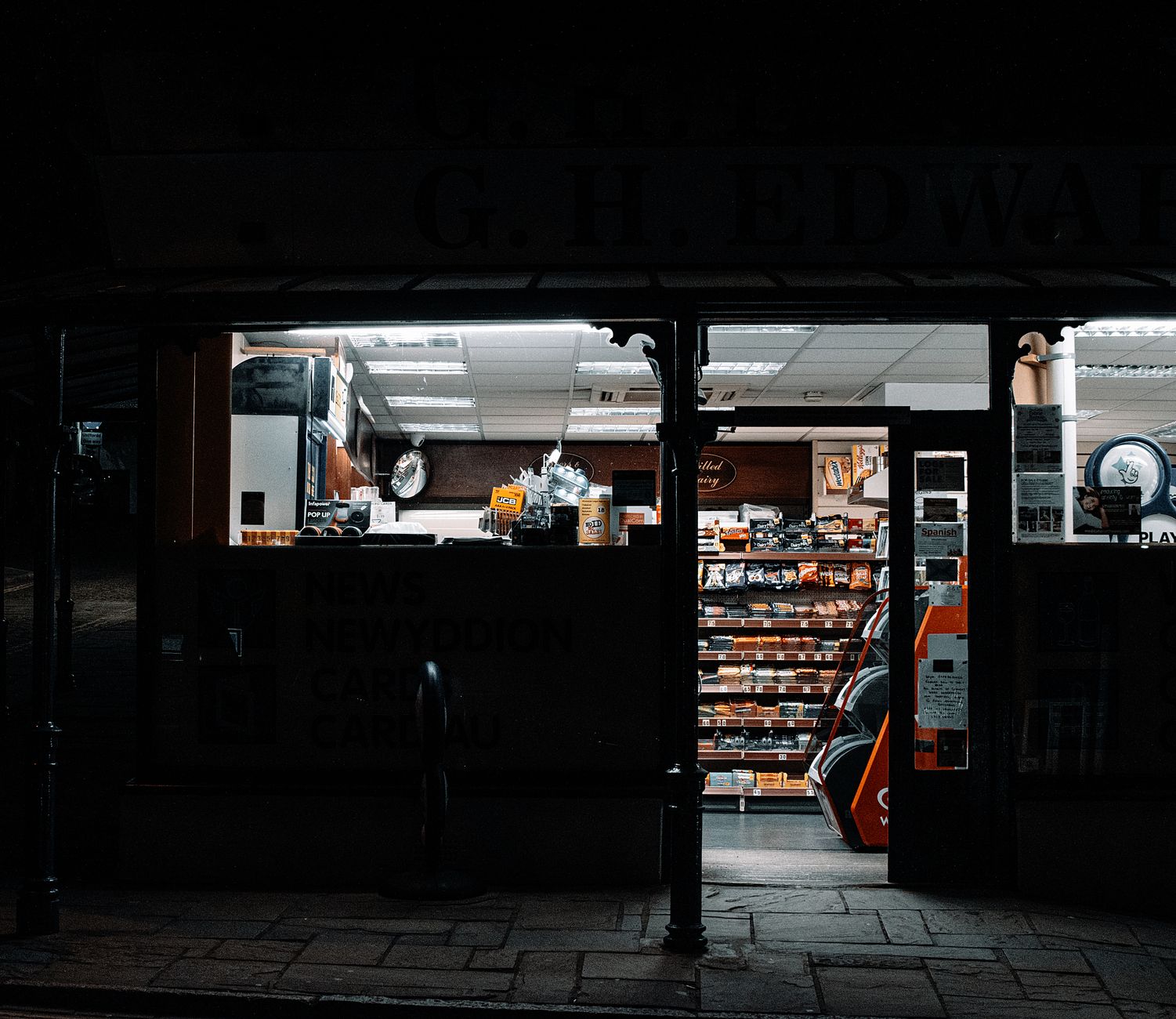
If you run a brick-and-mortar business, the way you arrange your space is either making you money or costing you money right now. Most small business owners think about product quality, customer service, and marketing. Very few think intentionally about what a customer sees, touches, and experiences the moment they walk through the door. That gap is called visual merchandising, and closing it could be one of the highest-return improvements you make this year.
Visual merchandising is the art and strategy of presenting your products or services in a way that drives purchases. It covers everything from your window display to your product placement to the lighting above your shelves. It’s not just for big retailers. A hair salon, a hardware store, a boutique bakery, a gym, a flower shop, a bookstore, all of them benefit from thinking strategically about how their physical space communicates value and moves customers toward a decision.
This guide breaks it down in plain English so you can start applying it today.
Why Visual Merchandising Matters for Small Business Owners
Here’s the core principle: people make most buying decisions based on what they see, not what they hear. Studies from the Retail Council of America consistently show that the majority of purchase decisions happen in-store, at the point of sale. That means the customer walks in with some interest, and your environment closes the deal or kills it.
A well-merchandised store does three things automatically:
- It tells customers what you sell and what makes it special
- It guides customers through the space so they see more of your offerings
- It creates an emotional experience that customers associate with your brand
A poorly merchandised store does the opposite. Cluttered shelves signal chaos. Dim lighting signals low quality. Poor signage forces customers to guess or ask for help (and many simply leave instead). Bad placement means your highest-margin items hide in the back while low-margin products catch every eye near the door.
The good news: you don’t need a big budget to fix most of this. You need a strategic eye and a few focused hours.
Start With Your Window and Entrance
Your window display is your best free advertisement. It runs 24 hours a day, 7 days a week, and every person who walks past is a potential customer deciding whether to come in. Most small business owners either ignore their windows completely or change them once a year. Neither approach works.
A strong window display should do one thing clearly: communicate your most compelling offer right now. Not everything you sell. One clear message. A new product, a seasonal offer, a problem you solve, a lifestyle your customer wants to live. Change it monthly at minimum, weekly if you have the inventory rotation to support it.
Your entrance sets the tone immediately. Is it clean? Is there clutter within the first three feet? Is there a clear path in? Research from retail anthropologist Paco Underhill found that customers almost never stop to look at anything in the first few feet past the entrance. They need a moment to decompress from the outside world. Keep that transition zone clear and inviting, then place your best stuff just beyond it.
Use the Power of Product Placement
Where you put things is a sales strategy. These principles have been proven in retail environments of all sizes:
Eye-level is buy-level. Products placed at eye height sell significantly more than the same products placed on lower or higher shelves. Your highest-margin items belong at eye level. Reserve lower shelves for budget options or bulk items, and top shelves for aspirational or specialty products that customers will seek out.
Right is prime. Most people are right-handed and instinctively turn right when they enter a store. That right-side wall and the path it creates through your space is your highest-traffic real estate. Place your most important products along that natural flow path.
Group by use, not by category. If you sell coffee, put the mugs next to the beans. If you sell workout gear, put the shaker bottles next to the protein. Grouping related items together increases the average transaction size because customers see the natural pairings and buy both.
Create destination products. Put one or two high-interest items at the back of the store. This forces customers to walk through your entire space to get there, which means they see everything else along the way.
For more on increasing revenue per customer through strategic offers, see How to Master the Art of Upselling and How to Use Cross-Selling to Grow Your Small Business Revenue.
Lighting Does More Than You Think
Lighting is probably the most overlooked and highest-impact element of visual merchandising for small businesses. The right lighting makes products look better, makes your space feel more inviting, and directly affects how much time customers spend browsing.
Here’s what to know:
- Warm light (2700K–3000K) creates a cozy, relaxed atmosphere. It works well for boutiques, coffee shops, restaurants, and home goods stores where you want customers to linger.
- Neutral light (3500K–4100K) works well for hardware stores, pharmacies, and any space where clarity and accuracy matter more than mood.
- Accent lighting is your secret weapon. A spotlight on your featured product draws the eye instantly. You can create a “wow” moment for almost any item with a simple track light or clip-on accent light.
If your overhead lighting is harsh, flickering, or outdated, fixing it is one of the best investments you can make. LED panel lights are cheap, energy-efficient, and dramatically improve the look of any retail space.
Signage That Sells
Good signage answers the customer’s unspoken question: Why should I buy this? Most retail signage just states a name and a price. That’s a missed opportunity.
The best retail signage tells a mini story. Instead of “Artisan Honey, $12,” try “Raw, local wildflower honey. Harvested 30 miles from here. $12.” Instead of “Running Shoes, $89,” try “Zero drop. Trail-rated. Built for desert conditions. $89.” You’re not writing an essay. You’re giving the customer a reason to care in one sentence.
Limit your in-store signs to what’s necessary. Too much signage creates visual noise and customers stop reading everything. Use signs to highlight new arrivals, bestsellers, and limited-time offers. Remove signage for items that are no longer available; old signs erode trust and make your store feel poorly managed.
Color Psychology in Your Store Environment
Color influences how customers feel and how long they stay. You don’t need to repaint your entire store, but being deliberate about your color choices, especially in your displays and signage, pays off.
A few basics:
- Red and orange create urgency and excitement. Use them for sale signage and clearance areas.
- Blue and green create trust and calm. They work well in service businesses and health-related retail.
- Black and white communicate premium quality and sophistication.
- Yellow draws attention and works for grab-and-go items or impulse purchases.
The key is consistency. Your store’s color environment should match your brand. A high-end boutique using neon sale signs looks discordant. A bargain shop using deep navy and gold looks pretentious. Match your visual language to the experience you’re selling.
The Sensory Experience Beyond Sight
Visual merchandising gets most of the attention, but the other senses matter too. The SBA’s marketing resources for small business consistently emphasize that memorable in-person experiences drive repeat business and word-of-mouth more than any digital channel.
Scent marketing is real. Bakeries that let the smell of fresh bread drift to the entrance sell more. Coffee shops that position their brewing station near the door convert more foot traffic. If your business has a pleasant, distinctive scent, let it work for you. If it doesn’t have one, consider whether a subtle, appropriate scent could improve the experience.
Music affects pace and mood. Faster tempo music tends to make people move faster; slower music encourages lingering. For most retail environments, a moderate tempo at low-to-medium volume is ideal. Silence feels uncomfortable. Too-loud music is intrusive. Match the genre to your customer base.
Temperature matters more than business owners think. A store that’s too hot makes people want to leave. A store that’s too cold makes people uncomfortable. Aim for comfort and err on the slightly cool side in warmer months.
How to Audit Your Space Right Now
Before you make any changes, do a merchandising audit. Walk out of your store, then walk back in like a first-time customer. Ask yourself:
- What do I see in the first five seconds?
- Is it clear what this business sells?
- Where does my eye go naturally?
- Are my highest-margin products visible and accessible?
- Is anything cluttered, dark, or hard to reach?
- What emotion does this space create?
Take photos. Look at them on your phone like a customer scrolling through reviews. The camera doesn’t lie. Then make a short list of the three changes that would have the biggest impact and start there. You don’t have to overhaul everything at once.
You should also ask a trusted friend or loyal customer to do the same walk-through. You have too much familiarity with your own space to see it objectively. Fresh eyes will catch things you’ve become blind to.
Seasonal and Thematic Displays
One of the simplest ways to keep your store fresh and drive repeat visits is to rotate seasonal and thematic displays. Customers who have been in your store ten times will still notice a new display and stop to look. That stop leads to a discovery, and that discovery leads to a purchase they weren’t planning.
Plan your display calendar in advance. Holidays and seasons are the obvious anchors, but don’t stop there. Think about back-to-school, local events, sports seasons, or anything your customer base cares about. A local running store that builds a display around a major local race is giving its customers a reason to come in even if they don’t need anything urgently.
For guidance on building marketing campaigns around these seasonal windows, the IRS small business resources also include guidance on deducting display and marketing materials as a business expense, which is worth knowing as you invest in your space.
The Bottom Line
Visual merchandising isn’t a luxury for big retailers. It’s a practical, high-return discipline that any business with a physical space can apply immediately. You don’t need a design degree or a big renovation budget. You need a strategic approach to what your customers see, feel, and experience when they walk through your door.
Start with your window. Then your entrance. Then your product placement. Then your lighting. One step at a time, you’ll build a space that works for you even when you’re not there to make the sale yourself.
Ready to build the business side of your operation with the same intentionality? Join Hustler’s Library free and get access to the tools, guides, and resources that help small business owners run smarter.
Ready to Know Where You Stand?
The Business Journey dashboard maps your exact position across all 13 stages. Track your progress, unlock resources for each step, and build with a framework used by thousands of founders at Hustler's Library.

No credit card required · Takes 3 minutes · Personalized to your stage