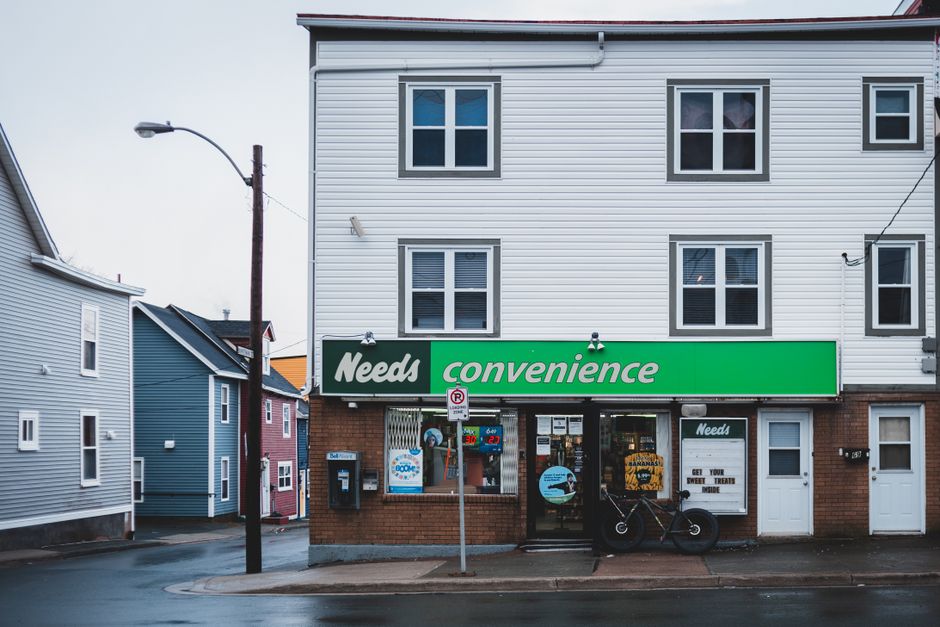
You found the perfect location. The foot traffic is great, the rent is reasonable, and the space is exactly what you pictured. Then someone mentions zoning, and suddenly you are staring at a wall of government jargon wondering if your business is even allowed to operate there.
Zoning laws exist to separate land uses that do not mix well — a slaughterhouse next to a daycare, for example. But for small business owners, these regulations can be genuinely confusing. This guide cuts through the bureaucracy and gives you a working understanding of what zoning means, how to find out what applies to your business, and what to do when the rules are working against you.
What Zoning Actually Is
Zoning is how local governments divide land into categories and specify what kinds of activities are allowed in each category. The most common zones are:
- Residential (R): Housing, with limited or no commercial activity
- Commercial (C): Retail shops, offices, restaurants, and service businesses
- Industrial (I or M): Manufacturing, warehousing, heavy equipment operations
- Mixed-use: A combination of residential and commercial activity in the same area
- Agricultural (A): Farming, rural land uses
Within each category, there are usually sub-classifications. A C-1 zone might allow a small neighborhood retail shop while a C-3 zone allows larger commercial uses like car dealerships. The specifics vary by city, county, and state.
Why It Matters for Small Business Owners
Operating in a zone that does not permit your type of business can result in fines, forced closure, and expensive legal battles. These are not rare edge cases. They happen to small business owners every year, often because the owner assumed the space was approved because a similar business operated there before.
Prior use does not guarantee current compliance. Zoning laws change. A business that operated legally a decade ago may have been grandfathered in under different rules that no longer apply to a new occupant.
Before you sign a lease, buy a building, or start operating from a location, verify that your intended use is permitted. This step takes less than an hour and can save you thousands of dollars.
How to Find Out What Zone Your Property Is In
Start with your city or county planning department. Most municipalities have an online zoning map where you can look up a specific address and see its designation. Search for your city name plus “zoning map” or “parcel viewer.”
If you cannot find what you need online, call the planning department directly. Ask for the zoning designation of the property and whether your business type is a permitted use, a conditional use, or not allowed at all.
The SBA’s location and zoning guide is also a solid starting point if you are unsure where to begin at the federal level.
Permitted Uses vs. Conditional Uses vs. Variances
When you look up a zoning classification, you will typically see three categories of use:
Permitted Use (By Right)
This means your type of business is allowed in that zone without any special approval. You still need standard business licenses and permits, but zoning is not a barrier. This is the cleanest situation.
Conditional Use
Your business type is potentially allowed, but you must apply for a conditional use permit (CUP). The local government reviews your application and may impose conditions — restricted hours of operation, additional parking requirements, noise limits, or landscaping standards. Conditional use permits take time and sometimes cost money, but they are granted regularly to businesses that meet the criteria.
Variance
A variance is an exception to the zoning rules. If your property does not technically comply with a zoning requirement — say, your building setback is smaller than the code requires — you can apply for a variance. Variances are harder to get than conditional use permits and usually require showing that the strict application of the rule would cause you undue hardship.
If your intended use is not permitted at all and does not qualify for a conditional use permit or variance, you will need to find a different location or pursue a rezoning, which is a longer, more involved process.
Home-Based Businesses and Zoning
If you run or plan to run a business from your home, zoning still applies. Most residential zones allow some level of home-based business activity, but there are typically restrictions on:
- Customer or client visits to your home
- Signage visible from the street
- Storage of commercial vehicles or equipment
- Employees working on-site
- Noise, odors, or other neighborhood disturbances
Violating home occupation rules is more common than most people think. If you are bringing clients to your house regularly, parking a commercial van in your driveway, or operating machinery that neighbors can hear, you may be out of compliance even if your business itself is legitimate. Check your municipality’s home occupation ordinance before you grow your in-home operations.
What to Watch For When Signing a Commercial Lease
When you lease a commercial space, the landlord is not responsible for making sure your business is legally allowed there. That is your job. Before signing, take these steps:
- Verify the zoning designation through the city or county planning department
- Confirm your intended use is permitted — call if you are unsure, and get the confirmation in writing
- Check the certificate of occupancy — this document shows what the space is approved for. If the previous tenant was a storage facility and you want to open a restaurant, the space may need inspections and upgrades
- Review the lease for permitted use language — make sure the lease allows your specific type of business and does not lock you into narrow restrictions
- Ask about pending zoning changes — a space zoned correctly today could be in the middle of a rezoning process that affects your plans
If you are deciding between renting and buying commercial space, the zoning picture matters for both paths. Read through our guide to renting vs. buying commercial space to understand how ownership changes the equation.
Dealing With Zoning Violations
If you receive a notice of zoning violation, do not ignore it. The typical path forward is:
- Read the notice carefully and identify exactly what the violation is
- Contact the planning or code enforcement department to understand your options
- Apply for the appropriate permit or variance if your use can be made compliant
- Consult an attorney if the violation is complex or the consequences are significant
Many small business owners who face zoning issues find that the situation is more fixable than they initially feared. Code enforcement agencies generally prefer compliance over conflict. If you approach them proactively and cooperatively, most will work with you on a reasonable timeline.
If your situation is headed toward legal territory, review our breakdown of how to navigate a business lawsuit as a small business owner to understand what to expect if it escalates.
Special Zoning Situations Worth Knowing
Historic Districts
If your business is located in a designated historic district, you may face additional restrictions on building modifications, signage, and exterior appearance. These rules are enforced separately from standard zoning and often require approval from a historic preservation board.
Overlay Zones
Some areas have overlay zones that add requirements on top of the base zoning designation. A downtown overlay might require first-floor retail uses. A transit overlay might reduce parking minimums. Check whether any overlays apply to your location.
Cannabis, Liquor, and Other Regulated Industries
Some industries face additional spatial restrictions beyond standard zoning. Liquor stores and cannabis dispensaries, for example, often cannot be located within a certain distance of schools, churches, or other licensed establishments. If your business falls into a regulated category, research state and local proximity requirements separately from your general zoning research.
Getting Professional Help
For most standard commercial locations, you can verify zoning compliance on your own. But there are situations where professional help is worth the cost:
- You are pursuing a conditional use permit or variance
- Your business use is unusual or difficult to classify
- You are considering a property that requires rezoning
- You are in a dispute with code enforcement
- You are purchasing property and want a zoning review as part of due diligence
A local land use attorney can navigate the planning process and advocate on your behalf. Some also offer flat-fee zoning reviews for standard commercial lease situations. The investment is usually worth it when the stakes are high.
For a broader view of the legal frameworks that affect your day-to-day operations, our guide on understanding basic labor law as a small business owner covers the employment side of the compliance picture.
The Bottom Line
Zoning is not glamorous, but it is one of those foundational issues that can derail a business before it ever gets started. The good news is that it is also one of the most straightforward compliance areas to research. A few hours of due diligence before you sign a lease or launch at a new location can save you from an enforcement action that costs far more in time, money, and momentum.
Know your zone. Confirm your use is permitted. And when the rules are stacked against you, know that there are usually pathways through — conditional permits, variances, and local planning staff who would rather help you get compliant than send you to court.
Ready to get your business fundamentals locked in? Join Hustler’s Library free for practical guides, tools, and resources built for small business owners who are serious about doing things right.
Ready to Know Where You Stand?
The Business Journey dashboard maps your exact position across all 13 stages. Track your progress, unlock resources for each step, and build with a framework used by thousands of founders at Hustler's Library.

No credit card required · Takes 3 minutes · Personalized to your stage