
TL;DR – What Is Business Credit?
Business credit is a financial profile for your company that allows it to borrow money, access vendor terms, and qualify for financing independently of your personal credit. It is built over time based on how your business pays bills, uses credit, and manages financial obligations.
1. Why Business Credit Is a Cheat Code for Founders
Most entrepreneurs learn about business credit far too late. They bootstrap with personal cards, mix expenses, and rely on their own FICO score long after their business should be standing on its own. Business credit exists to solve that exact problem: it allows a company to borrow, finance, and grow without depending entirely on the owner’s personal financial profile.
At its core, business credit is not about debt. It is about capacity. Capacity to invest in inventory, equipment, marketing, staff, and opportunity without draining personal savings or exposing personal assets to unnecessary risk. This matters because access to capital is one of the most common breaking points for young businesses. According to CB Insights, 38% of small businesses fail because they run out of cash. In many cases, the issue is not profitability, but timing and liquidity.
When structured correctly, business credit becomes part of a company’s operating infrastructure, just like banking, accounting, and insurance. It creates financial flexibility, absorbs short-term pressure, and allows founders to make strategic decisions instead of reactive ones.
Many founders assume business credit is something you “qualify for later.” In reality, business credit is something you build deliberately from the beginning. Lenders and vendors do not trust a company simply because it exists. They trust it because it demonstrates consistent, predictable financial behavior over time.
This guide is designed to explain business credit the way lenders actually see it, not the way social media or marketing funnels describe it. You will learn how business credit works, how it is measured, and how to build it legally and sustainably.
2. How Credit Actually Works (In Simple Terms)
Credit is a trust system. When a lender, supplier, or bank extends credit, they are making a prediction: that you will repay what you borrow according to the terms agreed upon. Everything else—scores, reports, limits, approvals—is built around that prediction.
There are three parties involved in any credit relationship:
- The borrower – an individual or a business requesting access to capital
- The lender or creditor – the party extending funds or allowing delayed payment
- The reporting agency – the organization tracking payment behavior
The reporting agency’s job is not to judge you. Its job is to record what happens. If you pay on time, that behavior is logged. If you pay late, that behavior is logged. Over time, these records form a pattern that lenders use to estimate risk.
Personal credit and business credit follow the same basic logic but operate as separate systems.
Personal credit is tied to a Social Security Number and is primarily based on consumer borrowing behavior such as credit cards, auto loans, student loans, and mortgages. Business credit is tied to an Employer Identification Number and is based on commercial borrowing behavior such as vendor accounts, business cards, equipment financing, and trade lines.
This separation matters because lenders treat individuals and companies differently. A person can only borrow so much before their risk becomes unacceptable. A business, however, can borrow based on revenue, stability, and history rather than personal income alone. This is how companies scale.
Creditworthiness is not measured by income. It is measured by behavior over time. Lenders want to see:
- Consistent on-time payments
- Responsible use of available credit
- Stability rather than volatility
- A track record of honoring obligations
Business credit exists to capture that behavior at the company level.
3. How Credit Is Reported and Scored
Credit reports are databases of financial behavior. Scores are shorthand interpretations of those databases. To understand business credit, it helps to understand the difference.
A credit report contains information such as:
- Who extended credit
- When the account was opened
- The credit limit or terms
- Whether payments were made on time
- Whether balances are outstanding
- Whether the account is active, closed, or delinquent
A credit score is an attempt to summarize all of that information into a single number that predicts risk.
On the consumer side, most people are familiar with FICO or VantageScore models, which typically range from 300 to 850. Business credit scoring works differently. Business bureaus do not use one universal scoring system, and their scales are often shorter and more behavior-based.
The major consumer credit bureaus are:
The major business credit bureaus are:
Each bureau collects data from different sources. Some focus more on vendor accounts. Others focus more on bank and card data. Some rely heavily on self-reported information. This is why business credit profiles can look very different depending on where you check.
Instead of a single score, business credit is usually evaluated through a combination of:
- Payment performance
- Length of credit history
- Number of reporting accounts
- Type of accounts
- Public records or filings
- Business stability indicators
In practice, lenders rarely approve funding based on a score alone. They look at the overall profile. A company with five on-time vendor accounts, a business card, and a clean report is often viewed more favorably than a company with one large line and no history.
This is why building business credit is not about chasing a number. It is about building a profile that signals reliability.
4. Build a “Credit-Ready” Business Foundation
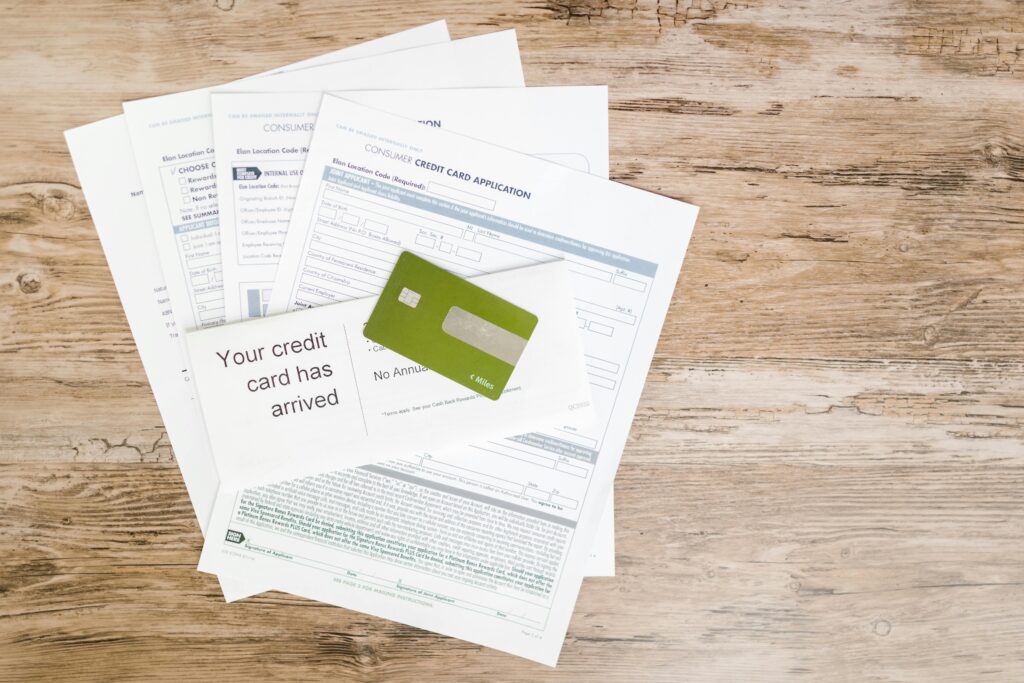
Before a business can build credit, it must first look legitimate to the financial system. Lenders, banks, and vendors are not just evaluating numbers. They are evaluating whether a business appears real, stable, and compliant. This is often where entrepreneurs fail without realizing it.
A business can be profitable and still be considered high risk if it lacks proper structure. Credit systems rely on standardized data points. If those data points are missing or inconsistent, approvals become harder regardless of revenue.
A credit-ready business foundation has three goals:
- To clearly separate the business from the owner
- To make the business verifiable in public and financial databases
- To present the business as organized and compliant
This is not about looking “corporate.” It is about being understandable to underwriting systems.
Choose the Right Legal Structure
Most businesses that intend to build independent credit use a formal entity such as an LLC or corporation. This creates a legal distinction between the owner and the business, which is necessary for business credit reporting.
Sole proprietors can sometimes access business products, but their activity is often tied directly to their personal credit file. That defeats the purpose of building a separate credit profile.
A properly formed entity:
- Has a registered legal name
- Is filed with a state agency
- Has an official formation date
- Can be verified by lenders
The structure itself does not guarantee approvals, but it creates the legal framework that allows a business credit file to exist.
Obtain an EIN and Use It Consistently
An Employer Identification Number functions as the business equivalent of a Social Security Number. It is how banks, lenders, and credit bureaus identify the company.
Once issued, the EIN should be used consistently on:
- Bank accounts
- Tax filings
- Credit applications
- Vendor accounts
- Licensing documents
Mixing personal identifiers and business identifiers creates confusion in reporting systems. One of the fastest ways to slow down business credit development is by using a personal SSN when an EIN should be used instead.
Consistency is more important than speed at this stage. A clean trail of records makes future underwriting easier.
Establish a Dedicated Business Bank Account
A business checking account is not optional if you plan to build business credit. It serves as the financial anchor for the company and signals operational legitimacy.
Banks and lenders look for:
- Business name on the account
- Matching EIN
- Regular deposits and withdrawals
- Separation from personal funds
Blending personal and business money increases audit risk and reduces credibility. It also makes financial reporting harder for both lenders and tax authorities.
A business account does not need to be large. It needs to be active and stable.
Create a Verifiable Business Presence
Credit systems rely heavily on data verification. That means your business must be discoverable, consistent, and recognizable across public and commercial records. Lenders do not just evaluate numbers. They evaluate legitimacy.
At minimum, a credit-ready business should have:
- A physical or registered address
- A working business phone number
- A professional email domain
- A functional website
These elements are not cosmetic. They are used by lenders, credit bureaus, and underwriting systems to confirm that a business exists and operates in the real world. Automated risk models routinely cross-check business information against public records, utility databases, web indexes, and commercial listings.
This matters because credibility directly affects approval odds. According to the Federal Reserve’s Small Business Credit Survey, businesses that appear less established or harder to verify are significantly more likely to be denied financing, even when revenue is present. In practice, incomplete or inconsistent business profiles are treated as higher risk because they increase the probability of fraud, misrepresentation, or operational instability.
A business that appears fragmented, outdated, or untraceable is not evaluated as “new.” It is evaluated as uncertain.
This is why serious founders treat their online and public footprint as part of their financial infrastructure. A funding-ready business presence aligns what appears on state filings, bank records, business listings, and the company’s own website. When those signals match, trust increases. When they conflict, underwriting slows or stops.
If your goal is to qualify for business credit, loans, or vendor terms, your digital presence should support that goal. Hustler’s Library specializes in helping businesses build funding-ready web and business profiles designed to meet lender verification standards, not just look good for customers. A professional, verifiable footprint is often the difference between an approval and a delay.
Align Business Information Everywhere
One of the most overlooked steps in building business credit is data consistency. The business name, address, and contact information should match across:
- Secretary of State records
- IRS records
- Bank accounts
- Credit applications
- Utility and vendor accounts
Small discrepancies can create large problems. For example, “Hustler’s Library LLC” and “Hustler’s Library” may be treated as separate entities by reporting systems.
This alignment allows credit bureaus to correctly aggregate payment behavior under one profile instead of fragmenting it.
Why This Foundation Comes First
Many people attempt to build business credit by applying for accounts too early. When the business profile is incomplete, those applications either fail or report incorrectly.
A foundation-first approach prevents:
- Rejected applications
- Mismatched credit files
- Personal guarantees by default
- Inconsistent reporting
- Long-term repair work
Once a business is structured correctly, the actual process of building credit becomes predictable and measurable.
5. Understand Your Credit Reports (Personal and Business)
Before you can improve your credit profile, you need to understand what is actually being recorded. Credit reports are not just scores. They are detailed histories of financial behavior that lenders use to evaluate risk.
Most people never read their credit reports closely. They only pay attention to the score. This creates problems, because lenders care about patterns, not just numbers. A strong profile tells a story of consistency and responsibility. A weak profile often shows gaps, errors, or instability.
Both personal and business credit reports matter, especially in the early stages of a company’s life.
What a Credit Report Contains
A credit report is essentially a ledger of financial relationships. It typically includes:
- Identifying information such as name, address, and tax ID
- A list of credit accounts (also called trade lines)
- Payment history for each account
- Current balances or terms
- Status of each account (open, closed, delinquent)
- Public records such as liens or judgments, if applicable
- Inquiry history from lenders who reviewed the file
This information is collected from lenders, vendors, and public sources. It is not created by the credit bureau itself. The bureau simply stores and organizes the data.
For businesses, reports may also include:
- Industry classification
- Company size or revenue estimates
- Years in operation
- Risk indicators tied to payment behavior
These data points influence how lenders interpret the profile.
Key Differences Between Personal and Business Credit Reports
Personal credit reports are tied to a Social Security Number and focus on consumer borrowing behavior. Business credit reports are tied to an EIN and focus on commercial activity.
The major differences include:
- Business credit reports often do not list balances the same way consumer reports do
- Business scores are usually based more heavily on payment timing
- Business credit is less regulated than consumer credit
- Not all vendors report business payments automatically
- Business files may be empty when a company is new
This means that a business can appear invisible to lenders even if it has been operating for months. Visibility depends on whether accounts are reporting.
How to Read a Credit Report Correctly
Reading a credit report is not about scanning for a number. It is about looking for signals that a lender would care about.
Key areas to review include:
- Whether the business name and address are accurate
- Whether accounts are reporting correctly
- Whether payment history shows consistency
- Whether any accounts are marked late or in default
- Whether there are duplicate or mismatched entries
For business reports, pay close attention to:
- How many accounts are listed
- Whether vendors are reporting
- Whether payments show as early, on time, or late
A profile with five small accounts paid on time is often stronger than a profile with one large account and no history.
Common Errors Found on Credit Reports
Credit reports are not perfect. Errors happen frequently, especially for small businesses.
Even when a business diligently builds credit, inaccurate or mismatched data can drag down results. Studies of consumer credit reports(which rely on much of the same data infrastructure shared by business bureaus), show how widespread reporting errors are; show that 44 % of people who reviewed their credit reports found at least one mistake, and more than a quarter encountered errors serious enough to affect financial decisions.
While comparable large-scale studies for business credit are less common, the mechanisms that cause consumer reporting errors — mismatched identifiers, outdated data, duplicate entries — are the same ones that affect business files.
Common issues include:
- Accounts reporting under the wrong business name
- Duplicate listings of the same account
- Closed accounts showing as open
- Late payments recorded incorrectly
- Old addresses still appearing
- Mixed personal and business data
These errors can cause lenders to misjudge risk. They also slow down the process of building business credit because activity may not be credited to the correct profile.
Reviewing reports regularly allows you to catch these problems before they affect financing decisions.
Why Monitoring Matters Before Applying for Credit
Applying for credit without knowing what your report contains is like submitting a résumé without proofreading it. You do not control how lenders interpret your profile, but you can control whether the information is accurate.
Monitoring your reports allows you to:
- Confirm that accounts are reporting
- Detect errors early
- Track improvement over time
- Avoid unnecessary denials
- Prepare strategically for applications
This is especially important for business credit because reporting is not automatic in many cases. Some vendors only report under certain conditions. Others report inconsistently.
If no activity is appearing on a business report, it does not mean the business is failing. It means the system has not yet been fed usable data.

6. Clean and Correct Credit Data the Right Way
Before building new credit, it’s important to make sure your existing data is accurate. Credit systems are only as good as the information inside them. If your reports contain errors, outdated details, or mismatched records, lenders may see your business as riskier than it actually is.
Cleaning up credit data is not about gaming the system. It is about ensuring the system is working with correct information. Ethical, legal correction creates a stronger foundation than shortcuts ever will.
This matters because errors are not rare. The Federal Trade Commission has reported that millions of people discover inaccuracies on their credit reports each year, and a meaningful share of formal disputes result in corrections. While business credit files are studied less frequently than consumer files, they rely on the same reporting mechanisms and data sources, making them just as vulnerable to mismatches and outdated records.
Accuracy builds long-term strength. Deletion games build fragile profiles.
When a Dispute Is Appropriate
A dispute is appropriate when information on your credit report is:
- Factually incorrect
- Outdated
- Duplicated
- Assigned to the wrong business
- Incomplete or misleading
- The result of identity theft or clerical error
Disputes are not meant to remove legitimate debts. They exist to correct inaccuracies. Attempting to dispute accurate negative information purely to make it disappear is unreliable and often temporary.
Correction improves clarity. Building credit improves reputation.
Your Rights as a Borrower and Business Owner
Both individuals and businesses have rights when it comes to credit reporting, though consumer credit protections are stronger and more formalized than business credit protections.
In general, you have the right to:
- See what is being reported about you
- Challenge information that is inaccurate
- Request verification of disputed accounts
- Have confirmed errors corrected
- Be notified of the outcome of disputes
For business credit, the process is often more manual. You may need to contact both the bureau and the reporting vendor to resolve discrepancies. This takes patience, but it prevents long-term damage.
For some founders, this process is manageable in-house. For others, especially when errors are complex or span multiple bureaus, working with a qualified credit repair or credit improvement professional can be a practical option. Experienced specialists understand how reporting systems work, how to document disputes correctly, and how to avoid actions that accidentally weaken a profile.
The Difference Between Inaccurate and Unfavorable
It is important to separate two ideas:
- Inaccurate information — data that is wrong
- Unfavorable information — data that is true but negative
Only inaccurate information should be disputed. A late payment that actually happened is unfavorable, but not incorrect. Removing it through disputes is difficult and often temporary.
However, unfavorable information can be outweighed by building positive history. Over time, strong payment behavior reduces the impact of past mistakes.
Common Credit Errors for Businesses
Business credit files are especially prone to errors because they rely on multiple data sources and inconsistent reporting practices.
Typical business credit issues include:
- Trade lines reporting under an old business name
- Accounts attached to the wrong EIN
- Multiple profiles created for the same business
- Vendor payments not appearing at all
- Old addresses still listed
- Ownership data mismatched
These problems slow down business credit growth because activity may not be credited to the correct profile.
Resolving these issues allows future payments to accumulate properly.
How to Approach Corrections Strategically
The goal of corrections is to create one clean, unified business profile.
A practical correction strategy looks like this:
- Obtain your reports from major bureaus
- Review identifying information first
- Check that all accounts belong to your business
- Note errors clearly and specifically
- Submit corrections with supporting documentation
- Follow up until confirmation is received
This process is not glamorous, but it is foundational. Businesses that skip this step often struggle later when applying for larger credit products.
What to Avoid When Fixing Credit
Some practices may sound appealing but tend to backfire.
Avoid:
- Paying for “guaranteed deletion” services
- Disputing accurate accounts repeatedly
- Using fake tradelines
- Mixing personal and business disputes
- Relying on loopholes rather than behavior
These approaches may produce short-term changes but create long-term instability. Lenders recognize inconsistent profiles.
A clean credit file should reflect real activity, not artificial manipulation.
Why Accuracy Comes Before Expansion
Many people attempt to build new credit on top of broken data. This makes it harder for lenders to assess progress.
Correct data allows:
- Payment history to compound properly
- Risk models to reflect true behavior
- Stronger approvals later
- Fewer denials and explanations
- Cleaner underwriting outcomes
Building on clean data is more efficient than constantly repairing mistakes.

7. Structure Credit for Long-Term Growth
Once your business is credit-ready and your reports are accurate, the next step is not simply getting approved for accounts. The real goal is to shape your credit profile in a way that makes future approvals easier, larger, and cheaper.
Credit profiles grow stronger when they show predictable behavior over time. Lenders are not impressed by how fast you can open accounts. They are impressed by how consistently you manage them.
A well-structured credit profile communicates three things:
- The business can handle responsibility
- The business is stable
- The business is unlikely to default
This is what unlocks larger limits and better terms later.
What Lenders Want to See
Although every lender uses different criteria, most are looking for the same underlying signals.
Strong business credit profiles tend to show:
- On-time or early payments
- Low usage relative to limits
- Multiple reporting accounts
- A mix of account types
- A clean public record
- Gradual growth rather than sudden spikes
From a lender’s perspective, slow and steady growth looks safer than aggressive expansion. A business that opens many accounts at once can look desperate or unstable, even if revenue is healthy.
Utilization: Why Less Can Be More
Utilization refers to how much of your available credit you are using. If a business has a $10,000 limit and regularly carries $9,000 in balances, that signals strain. If it has the same limit and uses $2,000 responsibly, that signals control.
Lower utilization:
- Reduces perceived risk
- Improves approval odds
- Makes limit increases more likely
- Signals cash flow discipline
This does not mean credit should never be used. It means credit should be used intentionally, not constantly maxed out.
The Value of Different Account Types
Not all credit is viewed the same way. A profile that only contains one type of account provides limited insight into behavior.
Healthy profiles often include a mix of:
- Vendor or trade accounts
- Revolving credit (business cards or lines)
- Installment-style accounts (equipment or vehicle financing)
This mix shows that the business can manage different obligations under different terms.
Depth matters more than size. A profile with several small, well-managed accounts is often stronger than one large line with no supporting history.
Timing and Spacing of Applications
Applying for multiple accounts at the same time can create noise in your credit profile. It can also lead to unnecessary denials.
Spacing applications allows:
- Accounts to begin reporting
- Payment history to accumulate
- Underwriting models to update
- Risk signals to stabilize
A measured approach often leads to better long-term results than rushing to build limits quickly.
Credit as a Reflection of Operations
Credit does not exist in isolation. It reflects how a business operates.
Operational habits that support strong credit include:
- Consistent billing and collections
- Predictable expenses
- Clear bookkeeping
- Timely tax payments
- Controlled growth
When operations are chaotic, credit behavior usually is too. When operations are structured, credit naturally improves.
This is why building business credit is less about tricks and more about systems.
Stability Beats Speed
There is constant marketing around building business credit “fast.” Speed is possible, but it is rarely the best metric.
Sustainable profiles are built by:
- Repeating good behavior
- Avoiding dramatic swings
- Letting accounts age
- Keeping activity consistent
Time is not an enemy of credit. It is one of its strongest ingredients.

8. How to Build Business Credit From Zero
Many businesses start with no credit profile at all. This is normal. Credit bureaus do not automatically create a file when a business is formed. A file is created only after financial activity is reported.
Building business credit from zero is not about jumping straight to bank loans. It is about creating a reporting trail that proves your business can manage obligations.
Think of this stage as establishing a financial footprint.
Why New Businesses Are Invisible to Lenders
A business with no credit history appears risky, not because it is bad, but because it is unknown.
From a lender’s perspective:
- There is no payment behavior to analyze
- There is no usage pattern to review
- There is no evidence of stability
- There is no trend line to project
This is why early-stage businesses are often denied traditional financing even if they are profitable.
Credit solves this problem by turning behavior into data.
The Role of Starter Accounts
Starter accounts are small credit relationships designed to establish reporting history.
These often include:
- Net-30 or net-60 vendor accounts
- Business supply vendors
- Fuel cards or fleet programs
- Basic business credit cards
- Service providers that report payments
The goal is not large limits. The goal is consistent reporting.
One reporting account is helpful. Three or four create a pattern. Patterns create confidence.
What Matters More Than the Amount
New founders often fixate on limits. In the early stages, limits are almost irrelevant.
What matters most is:
- That the account reports
- That payments are on time
- That the account stays open
- That activity is visible
A $200 vendor account paid on time is more valuable to a new credit file than a $5,000 line that never reports.
Payment Behavior Is the Signal
Business credit scores rely heavily on payment timing.
Early or on-time payments:
- Improve risk ratings
- Build trust with lenders
- Strengthen approval odds
- Create upward trends
Late payments do the opposite.
For new businesses, the first few reporting payments shape the tone of the entire profile. That is why discipline at this stage matters more than speed.
How Long the Zero-to-Profile Phase Takes
There is no universal timeline, but most businesses see:
- Initial file creation within 30 to 60 days of reporting
- Score development after several reporting cycles
- Profile maturity after multiple months of consistency
Rushing this stage usually leads to fragile credit. Allowing time for repetition leads to durable credit.
Common Mistakes at the Zero Stage
The most common errors include:
- Applying for bank loans too early
- Opening accounts that do not report
- Missing early payments
- Mixing personal and business credit unintentionally
- Closing starter accounts too quickly
Starter accounts are stepping stones. Closing them prematurely removes the foundation they provide.
From Visibility to Credibility
The first goal is visibility. The second goal is credibility.
Visibility means lenders can see the business.
Credibility means they trust what they see.
That trust is built through:
- Time
- Repetition
- Predictability
- Clean records
Once credibility forms, the business becomes eligible for more serious financial tools.
9. Graduating to Real Business Credit
Once your business has a visible and consistent credit profile, the next phase is transitioning from starter accounts into more meaningful financial tools. This is the point where credit begins to support growth instead of simply proving existence.
Graduation does not happen at a fixed time. It happens when your business demonstrates stability, predictability, and responsible use of existing credit.
This stage separates casual side hustles from scalable businesses.
What “Real” Business Credit Means
Real business credit typically refers to financing that is:
- Issued in the business’s name
- Based primarily on business data
- Larger in size than starter accounts
- Designed for operations, not just supplies
This includes:
- Business credit cards
- Business lines of credit
- Equipment financing
- Vehicle financing
- Trade accounts with higher limits
At this stage, lenders expect to see history, not just intent.
Signals That a Business Is Ready
A business is usually ready to graduate when it shows:
- Multiple reporting accounts
- Consistent on-time payments
- Low utilization
- Clean public records
- Stable business information
- Some operating history
Readiness is about patterns, not perfection. Lenders look for a trend of responsible behavior rather than flawless execution.
How Lenders Evaluate Maturity
When evaluating more serious credit requests, lenders often look at:
- Time in business
- Revenue consistency
- Industry risk
- Existing credit behavior
- Payment trends
- Cash flow stability
Business credit does not replace financial performance. It complements it. Strong revenue with weak credit can still result in denials. Strong credit with no revenue can also stall progress.
Graduation happens when both begin to align.
Moving From Vendors to Financial Institutions
The shift from vendor accounts to financial institutions is psychological as much as financial. Vendors assess payment behavior. Banks assess risk models.
This transition works best when:
- Vendor accounts are still active
- Credit cards or lines are added gradually
- Limits grow over time
- Usage remains controlled
Maintaining older trade lines while adding new ones creates depth rather than disruption.
Avoiding the Plateau Effect
Many businesses stall after initial credit success. They get approved for one card or one line and stop progressing.
Plateaus happen when:
- Accounts are closed too quickly
- Utilization stays too high
- No new reporting occurs
- Payment behavior becomes inconsistent
- Financial records fall behind
Progress requires periodic movement. Growth does not need to be aggressive, but it must be intentional.
The Role of Cash Flow in Graduation
Credit supports cash flow. It does not replace it.
Businesses that graduate successfully usually have:
- Predictable monthly expenses
- Reliable incoming revenue
- Clear separation between business and personal funds
- Structured accounting
- Disciplined use of credit
When cash flow is chaotic, credit becomes a crutch. When cash flow is stable, credit becomes leverage.
From Access to Strategy
At this stage, credit becomes a strategic tool rather than a survival tool.
Strategic uses of business credit include:
- Financing inventory cycles
- Smoothing seasonal revenue
- Investing in equipment
- Funding marketing campaigns
- Supporting controlled expansion
The purpose is not debt. The purpose is optionality.

10. Protecting and Maintaining Business Credit
Building business credit takes time. Damaging it can happen quickly. Once a profile exists, the goal shifts from creation to protection. This stage is about preserving trust with lenders and keeping your options open for future growth.
Strong credit is not something you reach once and forget. It is something you maintain through consistent behavior and disciplined systems.
The Most Common Ways Business Credit Gets Damaged
Many businesses harm their credit unintentionally, not through fraud or recklessness, but through neglect.
The most common causes include:
- Missing or late payments
- Carrying high balances for long periods
- Closing long-standing accounts too early
- Applying for too much credit at once
- Mixing personal and business finances
- Ignoring reporting errors
- Allowing public records issues to appear
None of these are dramatic mistakes on their own, but together they erode lender confidence.
Why Payment Timing Matters More Than Amounts
In business credit, when you pay often matters more than how much you owe.
On-time or early payments:
- Strengthen risk scores
- Improve lender trust
- Support higher limits
- Increase approval odds
Late payments:
- Create negative trend lines
- Stay visible for long periods
- Signal cash flow strain
- Trigger tighter terms
Even small accounts can influence a profile if they report negative behavior.
Utilization Discipline
High utilization makes a business look financially stressed, even if revenue is strong.
Healthy utilization typically means:
- Using credit regularly
- Paying balances down consistently
- Avoiding maxed-out lines
- Keeping available credit visible
Credit should reflect controlled borrowing, not dependency.
Monitoring as a Maintenance Tool
You do not need to check your credit daily, but you should review it regularly. Credit profiles change as accounts report, balances update, and public records shift. Without monitoring, those changes can happen quietly and work against you.
Monitoring allows you to:
- Confirm accounts are reporting
- Detect errors early
- Track score movement
- Prepare for future applications
- Spot fraud or misreporting
Business credit errors can persist longer than personal ones if they go unnoticed, because business reporting is less standardized and often requires manual correction.
There are several ways to monitor business and personal credit:
- Credit bureau monitoring services, which provide access to business credit reports and alerts when new activity appears
- Financial platforms and business banks that offer built-in credit tracking tools
- Business formation and registered agent services that bundle credit monitoring with compliance or legal support
- Professional credit improvement services that track reports across bureaus and flag inconsistencies
The right option depends on how actively you plan to use credit. Founders who anticipate applying for financing in the near future often benefit from ongoing monitoring so they can address issues before submitting applications.
Monitoring is not about obsessing over scores. It is about maintaining visibility into the system that lenders use to evaluate your business. A profile you never review is one you cannot manage.
If your business depends on access to capital, credit monitoring becomes part of your financial hygiene, alongside bookkeeping and tax compliance.
The Danger of Over-Expansion
Growth financed entirely by credit is fragile. Sustainable growth blends:
- Revenue
- Cash reserves
- Controlled credit use
When credit becomes the primary source of operating capital, risk increases. Lenders notice dependency patterns and may reduce limits or deny future requests.
Credit is most powerful when it supports strategy, not survival.
What to Do After a Setback
Mistakes happen. Late payments, revenue dips, or unexpected expenses can impact a profile.
Recovery starts with:
- Stabilizing operations
- Bringing accounts current
- Reducing utilization
- Maintaining consistent payment behavior
- Allowing time for patterns to normalize
Negative marks fade in influence when positive behavior replaces them consistently.
Credit as Reputation
Business credit is not just financial. It is reputational.
It communicates:
- How reliable your business is
- How well it manages obligations
- Whether it plans ahead
- Whether it can be trusted with larger responsibilities
Protecting that reputation keeps your business bankable.
11. Using Business Credit Strategically
Business credit is not the goal. It is a tool. When used strategically, it can accelerate growth, smooth cash flow, and create leverage. When used carelessly, it can quietly weaken a company’s financial position.
The difference is intention.
Strategic credit use supports long-term objectives. Reactive credit use fills short-term gaps without addressing root problems.
What Business Credit Is Best Used For
The strongest use cases for business credit are tied to activities that either:
- Increase revenue
- Improve efficiency
- Protect operations
- Extend working capital responsibly
Common strategic uses include:
- Purchasing inventory that turns into sales
- Financing equipment that increases output
- Funding marketing campaigns with measurable ROI
- Covering short-term cash flow gaps during growth
- Smoothing seasonal revenue cycles
These uses create a return on the borrowed capital rather than simply consuming it.
When Credit Should Not Be the Solution
Not every problem should be solved with borrowing.
Credit is usually a poor solution for:
- Chronic operating losses
- Personal expenses disguised as business costs
- Unclear business models
- Lifestyle spending
- Long-term payroll without revenue support
Using credit to avoid structural issues delays correction and magnifies risk.
Aligning Credit With Business Strategy
Credit works best when tied to a plan.
Strategic alignment looks like:
- Knowing why funds are being borrowed
- Understanding how they will be repaid
- Estimating the financial return
- Monitoring performance after deployment
- Adjusting behavior based on results
This turns credit into an extension of business planning rather than an emergency button.
The Role of Restraint
Paradoxically, restraint increases leverage.
Lenders trust businesses that:
- Borrow selectively
- Keep utilization moderate
- Maintain cash reserves
- Avoid impulsive applications
- Show consistent financial discipline
Access grows when dependency shrinks.
Credit as Optionality
The most powerful position is not using credit. It is having access to it.
Access provides:
- Negotiating power
- Emergency flexibility
- Growth timing control
- Operational resilience
A business with strong credit can choose when to borrow rather than being forced to.
Measuring the Impact of Credit Decisions
Every credit decision should be evaluated.
Ask:
- Did this improve revenue or efficiency?
- Did it reduce risk or increase it?
- Did it strengthen the balance sheet?
- Did it create new constraints?
Strategic credit use produces measurable outcomes, not just temporary relief.
From Tool to Asset
Over time, disciplined credit behavior turns borrowing into an asset.
Strong business credit:
- Lowers cost of capital
- Expands financing options
- Increases business valuation
- Supports acquisitions or expansion
- Improves lender relationships
It becomes part of the company’s infrastructure, not just its financing.
Final Thoughts
Business credit is not built through hacks. It is built through structure, consistency, and alignment between financial behavior and business reality.
The businesses that benefit most from credit are the ones that:
- Treat it as a system
- Build it deliberately
- Use it intentionally
- Protect it carefully
That is how credit becomes leverage instead of liability.
Ready to Put This Into Action?
Building business credit is not just about understanding how the system works. It is about structuring your business so lenders, vendors, and financial institutions can clearly evaluate it.
If you want to go deeper, Hustler’s Library offers two core resources to help founders move from theory to execution:
📍 Explore Our City Business Guides
Our city guides connect you with vetted business resources in major markets, including banks, accountants, and business attorneys. These are the professionals entrepreneurs turn to when they are ready to structure their business properly and prepare for financing.
Whether you are forming a company, correcting reporting issues, or preparing for larger funding, local expertise often makes the process faster and cleaner.
Learn the Business Basics That Lenders Care About
Business credit does not exist in isolation. It is tied to concepts like cash flow, risk, operating structure, and long-term planning.
Our Business Basics library breaks down the financial and strategic terms lenders use every day — in plain English — so you can make smarter decisions as you build.
Want Help Making Your Business Funding-Ready?
Many founders understand business credit but struggle with execution — setting up the right business presence, correcting data issues, or preparing for applications.
Hustler’s Library helps businesses build funding-ready profiles by aligning their business structure, digital presence, and financial footprint with what lenders expect to see.
If your goal is to qualify for business credit, financing, or growth capital, the right foundation makes all the difference.