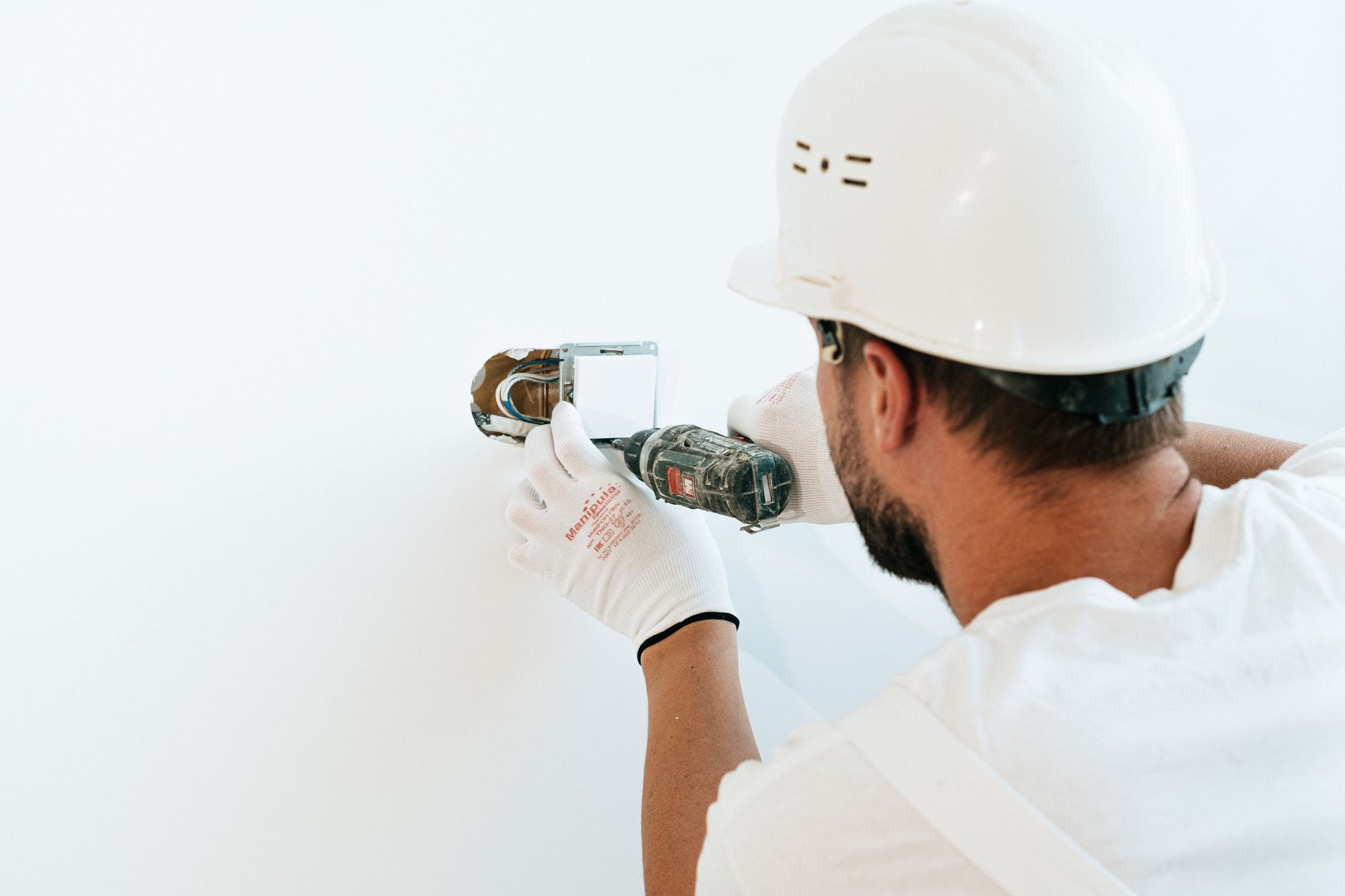
A handyman business is one of the most straightforward paths to self-employment you can find. Skilled tradespeople are in short supply, homeowners have an endless list of repairs they cannot or will not do themselves, and the overhead to get started is minimal. If you know how to do basic home repairs competently and reliably, you have the foundation of a business. This guide covers everything from what to charge to how to find your first clients to what licenses you actually need.
What a Handyman Business Actually Does
A handyman business handles the small-to-medium repairs and maintenance tasks that fall below the threshold of hiring a licensed specialty contractor but above what most homeowners want to deal with themselves. Common jobs include:
- Drywall patching and painting touch-ups
- Door and window repair, installation, and weatherstripping
- Mounting TVs, shelves, and fixtures
- Tile and grout repair
- Fence repair and deck maintenance
- Caulking and sealant work (bathrooms, kitchens, exterior)
- Gutter cleaning and minor gutter repair
- Furniture assembly
- Light fixture and ceiling fan replacement (non-panel work)
- Cabinet hardware, door lock, and deadbolt installation
Most successful handymen are not specialists. They are competent generalists who can knock out a punch list of five different jobs in a single visit. That versatility is the product you are selling.
Startup Costs
You may already own most of what you need. Here is a realistic breakdown:
Tools (If Starting From Scratch)
- Cordless drill/driver and impact driver set: $120 to $250 (Milwaukee, DeWalt, or Makita 2-tool combos are worth the investment)
- Circular saw: $80 to $200
- Jigsaw: $60 to $120
- Multi-tool oscillating tool: $80 to $150 — one of the most useful tools a handyman owns
- Hand tools (hammer, level, tape measure, utility knife, pliers, wrenches): $150 to $250 for a solid starter set
- Ladder (6-ft step + 8-ft extension): $120 to $200
- Stud finder, voltage tester, and inspection mirror: $60 to $100
Total if starting from scratch: $700 to $1,300. Most people starting a handyman business already own a good portion of this. You can find quality used tools on Facebook Marketplace and OfferUp at significant discounts.
Amazon is a good source for restocking consumables and adding tools as you go — build your toolkit over time using your revenue. Browse professional-grade handyman tool sets on Amazon.
Vehicle
You need a truck or cargo van. If you already have one, that eliminates a major cost. If not, a used cargo van or half-ton pickup in the $8,000 to $15,000 range is the typical starting point. Avoid over-investing in a vehicle early — a clean, reliable truck matters more than a new one.
Other Startup Costs
- LLC formation: $50 to $150
- General liability insurance: $600 to $1,500 per year
- Business cards and basic marketing materials: $50 to $150
- Accounting and invoicing software (Wave is free; QuickBooks is $30/month): $0 to $360/year
Total minimum startup (if you own tools and a truck): $700 to $2,000. This is one of the lowest-overhead businesses you can start.
Licensing: What You Actually Need
Handyman licensing requirements vary significantly by state. Here is the general picture:
Most States
Many states allow unlicensed handymen to operate up to a certain project dollar threshold — typically $500 to $1,000. Below that threshold, you generally do not need a contractor’s license to do cosmetic repairs, furniture assembly, or minor maintenance work. Above it, you may need a general contractor’s license depending on the scope.
States With Stricter Rules
California, Florida, and several other states have stricter requirements. California, for example, requires a contractor’s license for any work over $500 including labor and materials. If you are in a regulated state, check your state’s contractor licensing board before launching. The SBA’s licensing guide is a useful starting point for understanding your state’s requirements.
What You Always Need
- A registered business entity (LLC strongly recommended)
- A local business license from your city or county ($25 to $75/year)
- General liability insurance — no reputable property manager or HOA will hire you without it
Electrical and plumbing work typically require licensed tradespeople regardless of state. Stick to cosmetic and mechanical repairs in your early days and sub out or refer work that requires permits or specialty licenses.
What to Charge
Pricing is where handymen most often undervalue themselves. The goal is an effective hourly rate of $65 to $100+ per hour once you account for drive time, materials markup, and unbillable hours.
How to Structure Your Pricing
Most experienced handymen price one of three ways:
- Hourly rate: $60 to $100 per hour depending on market and skill level. Good for ambiguous jobs or punch-list work where scope is unclear.
- Flat rate per job: Customers prefer this. Build in your estimated hours plus a 20% buffer. A two-hour door installation gets quoted at $160 to $200 flat, not by the hour.
- Materials plus labor: Quote materials at cost plus a 15 to 20% markup, then add your hourly rate or flat labor fee. Always mark up materials — you are the one running to the hardware store and carrying the risk of waste.
Minimum Job Size
Set a minimum trip charge. Many handymen set a $75 to $100 minimum regardless of the size of the job. This protects you from driving 30 minutes to tighten a single screw. Communicate this upfront — customers who understand it respect it.
Realistic Income Range
A solo handyman billing 25 to 30 hours per week at $75 average hourly rate generates $1,875 to $2,250 per week in revenue. After fuel, insurance, tools, and materials, you net $1,200 to $1,600 per week — roughly $60,000 to $80,000 per year. In higher-cost markets (LA, Seattle, NYC, Miami), effective hourly rates run $90 to $150 and income can climb significantly higher. The ceiling depends on your local market, your skills, and how well you retain clients.
Finding Your First Clients
Start With Your Sphere
Announce your business on personal Facebook, Nextdoor, and via text to people you know. Offer a free 30-minute assessment for friends and family who hire you for their first job. Word of mouth from people who know you is the fastest way to land the first five or six clients.
Google Business Profile
This is non-negotiable. Claim your Google Business Profile, fill out every section, upload photos of completed work, and ask your first clients for reviews. “Handyman near me” is one of the most-searched service terms on Google. Being in the local pack with a few reviews will generate inbound calls steadily.
Thumbtack and Angi
Create profiles on both platforms. Thumbtack charges per lead; Angi has a subscription model. Neither is perfect but both can supplement your pipeline while you build a direct client base. Many handymen use these platforms for the first year then phase them out once referrals take over.
Property Managers and Real Estate Agents
A single property manager who likes your work can send you consistent, ongoing jobs. Property managers deal with maintenance calls constantly and need reliable handymen who can respond quickly. Introduce yourself, leave your card, and offer a first-job discount. Real estate agents also need handymen for pre-listing touch-ups — reach out to a few agents in your area and offer to be their go-to repair contact.
Build a Simple Website
You do not need anything fancy. A one-page site with your services, service area, contact form, and photos is enough. If you need affordable design help, Fiverr has freelancers who can build a clean small business website for $150 to $500.
Running the Business Day-to-Day
Set Boundaries Early
Decide your hours and communicate them. Clients who can reach you at 9 PM will call you at 9 PM. Respond to inquiries quickly during business hours, but you are not on call 24/7 unless you are choosing to offer that as a premium service.
Document Your Work
Take before and after photos of every job. These serve two purposes: they protect you if a client disputes the work, and they build your portfolio for marketing. Post them on your Google profile and social media regularly.
Use Software to Stay Organized
Jobber, Housecall Pro, and ServiceTitan all offer field service management tools for handymen. Jobber starts at $49/month and handles scheduling, invoicing, client communication, and payment collection. Once you have 10 or more active clients, this pays for itself in time saved.
Related Reading
- How to Start a Pressure Washing Business — a natural companion service that many handymen add to their offering.
- How to Start a Notary Business — another low-startup, high-margin service business you can run from your existing vehicle and schedule.
- How to Start a Side Business While Working a Day Job — if you are building this on nights and weekends before going full-time.
The Bottom Line
A handyman business rewards reliability and skill over almost everything else. The operators who build real income from this are not the ones with the most expensive tools or the flashiest websites — they are the ones who show up on time, do quality work, communicate clearly, and make it easy for clients to hire them again. If you can deliver that consistently, you will have more work than you can handle within six months.
Want more guides for building a service business from scratch? Join Hustler’s Library free and get access to our full library of side hustle and small business resources.
Ready to Know Where You Stand?
The Business Journey dashboard maps your exact position across all 13 stages. Track your progress, unlock resources for each step, and build with a framework used by thousands of founders at Hustler's Library.

No credit card required · Takes 3 minutes · Personalized to your stage