Most small business owners are too busy running the day-to-day to look up and ask a simple but powerful question: where is my industry heading?
That’s a mistake. The businesses that consistently grow are the ones that see what’s coming before it arrives. They adjust their offerings, reposition their messaging, and make smart bets on where demand is moving. The ones that don’t pay attention get disrupted, overtaken, or left behind.
The good news: tracking industry trends doesn’t require a research team or an expensive subscription. It requires attention, a little system, and the willingness to act on what you find. This guide will show you how.
Why Industry Trends Matter More Than You Think
Small business owners often assume that trend-watching is something big corporations do. That’s backwards. Large companies are often slow to adapt. A small business can pivot in weeks. If you know a trend is coming, you have a real advantage over the giants in your space.
Consider a few ways trends show up in real business:
- A local restaurant notices plant-based eating is growing and adds a dedicated section to the menu before competitors do. Sales jump.
- A marketing consultant tracks the rise of short-form video and starts offering that as a service before the demand peaks. The phone rings.
- A retail shop owner reads that people are spending more on experiences and less on stuff. Instead of panicking, she pivots to offer in-store workshops. Foot traffic returns.
Trends aren’t always dramatic disruptions. Sometimes they’re slow shifts in what customers value, how they prefer to buy, or what competitors are starting to offer. Catching them early gives you time to respond instead of react.
Step 1: Know the Difference Between a Trend and a Fad
Before you chase every shiny thing, it’s worth drawing a clear line.
A fad is a spike of excitement that burns bright and fades fast. Remember fidget spinners? NFTs in retail marketing? Fads can generate short-term revenue if you move quickly, but they’re not worth rebuilding your business around.
A trend is a sustained shift in how people behave, what they value, or how a market operates. Remote work, health-conscious purchasing, automation, and sustainability are trends. They’ve been building for years and they’re reshaping entire industries.
How do you tell the difference? Ask three questions:
- Has this been growing consistently for at least 12-24 months?
- Is it driven by a structural shift (demographics, technology, regulation) rather than media hype?
- Are multiple independent sources pointing to it?
If yes to all three, you’re probably looking at a real trend worth paying attention to.
Step 2: Build a Simple Trend-Watching System
You don’t need to spend hours every week on this. A simple, consistent system works better than marathon research sessions you never get around to.
Read Your Industry’s Trade Publication
Almost every industry has at least one trade publication. These publications track regulatory changes, new technologies, and market shifts specific to your space. Subscribe to the newsletter, skim it once a week. You don’t need to read every article. Just look for patterns in what keeps showing up.
Use Google Trends
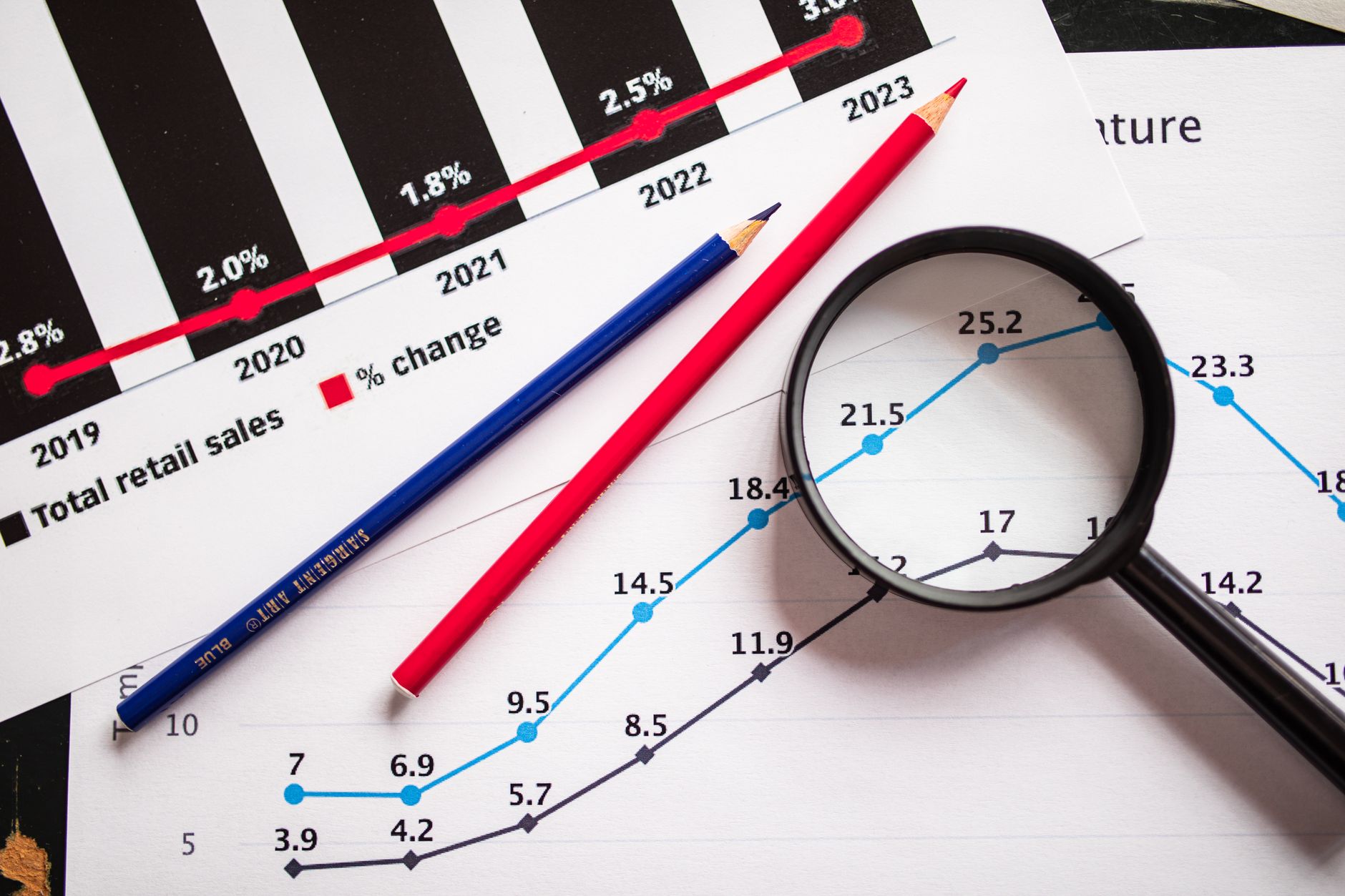
Google Trends is free and underused. Type in keywords related to your products or services and see if search interest is growing, shrinking, or seasonal. Compare multiple terms to spot what’s gaining momentum. This is one of the fastest ways to validate whether something is a trend or a blip.
Watch Your Competitors and Industry Leaders
Pay attention to what the biggest players in your industry are investing in. When multiple competitors start offering the same new service, or when a category leader shifts their messaging in a specific direction, that’s a signal. You don’t have to copy them, but you should understand what they’re seeing.
Listen to Your Customers
Your customers are often the best early-warning system you have. What questions are they asking that you weren’t hearing two years ago? What problems are they mentioning more often? When multiple customers start asking about the same thing, that’s a market signal worth taking seriously.
Attend an Industry Event Annually
Conferences, trade shows, and industry summits exist because information and connections flow differently in person. Even attending one relevant event per year gives you a sense of where conversations in your space are heading. Pay attention to the breakout sessions, not just the keynotes. The sessions with the longest lines are often the best signal of what’s next.
Step 3: Evaluate Each Trend Against Your Business
Not every trend is relevant to you. Once you’ve identified something that looks real and sustained, run it through a quick filter:
- Does this affect my customers directly? If a trend changes how your customers behave, spend, or make decisions, pay attention.
- Does this affect how I deliver my product or service? Technology shifts, new regulations, or supply chain changes can all affect your operations whether you like it or not.
- Is there an opportunity here? Some trends create new demand. Others eliminate it. Figure out which side you’re on.
- What would it cost to adapt? Some adjustments are low-effort. Others require real investment. Know the difference before you commit.
This quick evaluation keeps you from chasing every trend while making sure you don’t miss the ones that actually matter to your business.
Step 4: Turn Insight Into Action
Watching trends without acting on them is just interesting reading. The goal is to do something with what you learn.
Here’s how to move from observation to execution:
Test Before You Commit
You don’t have to overhaul your business to respond to a trend. Start small. Add a new service line on a trial basis. Update your messaging to speak to an emerging customer concern. Run a short campaign targeting a new audience segment. Test and measure before you scale.
Adjust Your Positioning
Sometimes responding to a trend is as simple as changing how you talk about what you already do. If sustainability is becoming more important in your industry and you already use eco-friendly materials, say so louder. If transparency is a growing customer expectation, show your process. Positioning can be updated without changing your product at all.
Invest Ahead of the Curve
Once you’ve validated that a trend is real and relevant, consider investing in it before demand peaks. Building capability, knowledge, or infrastructure ahead of peak demand lets you capture more of the opportunity when it arrives. Being a year early is fine. Being a year late is expensive.
For deeper reading on how to align these opportunities with your overall growth strategy, check out our guide on how to do a competitive analysis for your small business. It pairs well with trend-watching because it helps you see not just where the market is going, but where you stand relative to competitors making similar moves.
Step 5: Build Trend Awareness Into Your Regular Routine
The businesses that consistently stay ahead don’t do an annual trend review. They build awareness into how they operate every week.
A few practical habits that help:
- Block 30 minutes per week to read industry content. Put it on the calendar and protect it.
- Keep a running document where you log interesting signals and patterns you notice. Review it quarterly.
- Ask your team what they’re hearing from customers and what’s changing in their day-to-day work. Frontline employees often spot shifts before leadership does.
- Review your own sales and service data regularly. Shifts in what customers are buying, asking about, or canceling often reflect broader trends before any publication writes about them.
This kind of systematic awareness compounds over time. After a year of consistent trend-watching, you’ll have a much clearer sense of where your industry is heading and what that means for your business.
Common Mistakes to Avoid
Even smart business owners make predictable mistakes when it comes to trends. Watch out for these:
- Chasing every trend. Focus on the ones that actually connect to your market, your customers, and your capabilities. You can’t do everything.
- Waiting for certainty. By the time a trend is obvious to everyone, most of the opportunity has already been captured by early movers. Act on good signals, not perfect ones.
- Ignoring slow-moving trends. The biggest shifts are often the slowest. Demographic changes, regulatory tightening, and technology adoption curves move gradually and then suddenly. Don’t dismiss something because it hasn’t exploded yet.
- Letting trend-watching replace execution. Awareness without action is just interesting reading. The goal is to turn insight into competitive advantage.
For a broader view of the forces that shape your industry, the SBA’s guide to market research and competitive analysis is a solid free resource that complements the trend-watching habits covered here.
Putting It All Together
Staying ahead of industry trends is not about predicting the future. It’s about paying close enough attention that you’re never completely surprised by it.
The system is simple: read consistently, watch your competitors and customers, evaluate what you find against your actual business, and act on the signals that matter. Do this as a regular habit and you’ll consistently be one step ahead of the businesses around you.
For more strategic frameworks to pair with your trend-watching, check out our guide on how to use competitive intelligence to stay ahead in your market. The combination of trend awareness and competitive intelligence is one of the most powerful edges a small business can build.
The market is always moving. Make sure you’re moving with it.
Want more practical guides like this one? Join thousands of small business owners who get straight-to-the-point strategies at Hustler’s Library. It’s free.
Ready to Know Where You Stand?
The Business Journey dashboard maps your exact position across all 13 stages. Track your progress, unlock resources for each step, and build with a framework used by thousands of founders at Hustler's Library.

No credit card required · Takes 3 minutes · Personalized to your stage