You have a brand. You have an audience. And somewhere in the back of your mind, you have a vision of turning that into a product line people actually want to buy.
The problem? Traditional product manufacturing comes with huge upfront costs, inventory headaches, and a warehouse you probably do not have. Print-on-demand changes all of that.
This guide will walk you through exactly how print-on-demand works, which platforms to use, and how to build a product line that generates real revenue for your small business without betting everything on a production run.
What Is Print-on-Demand?
Print-on-demand (POD) is a fulfillment model where products are only manufactured after a customer places an order. You design the product, list it in your store, and when someone buys it, the POD supplier prints, packages, and ships it directly to the customer.
No inventory. No upfront investment in units. No storage costs. You pay only when you make a sale.
Products commonly offered through POD platforms include:
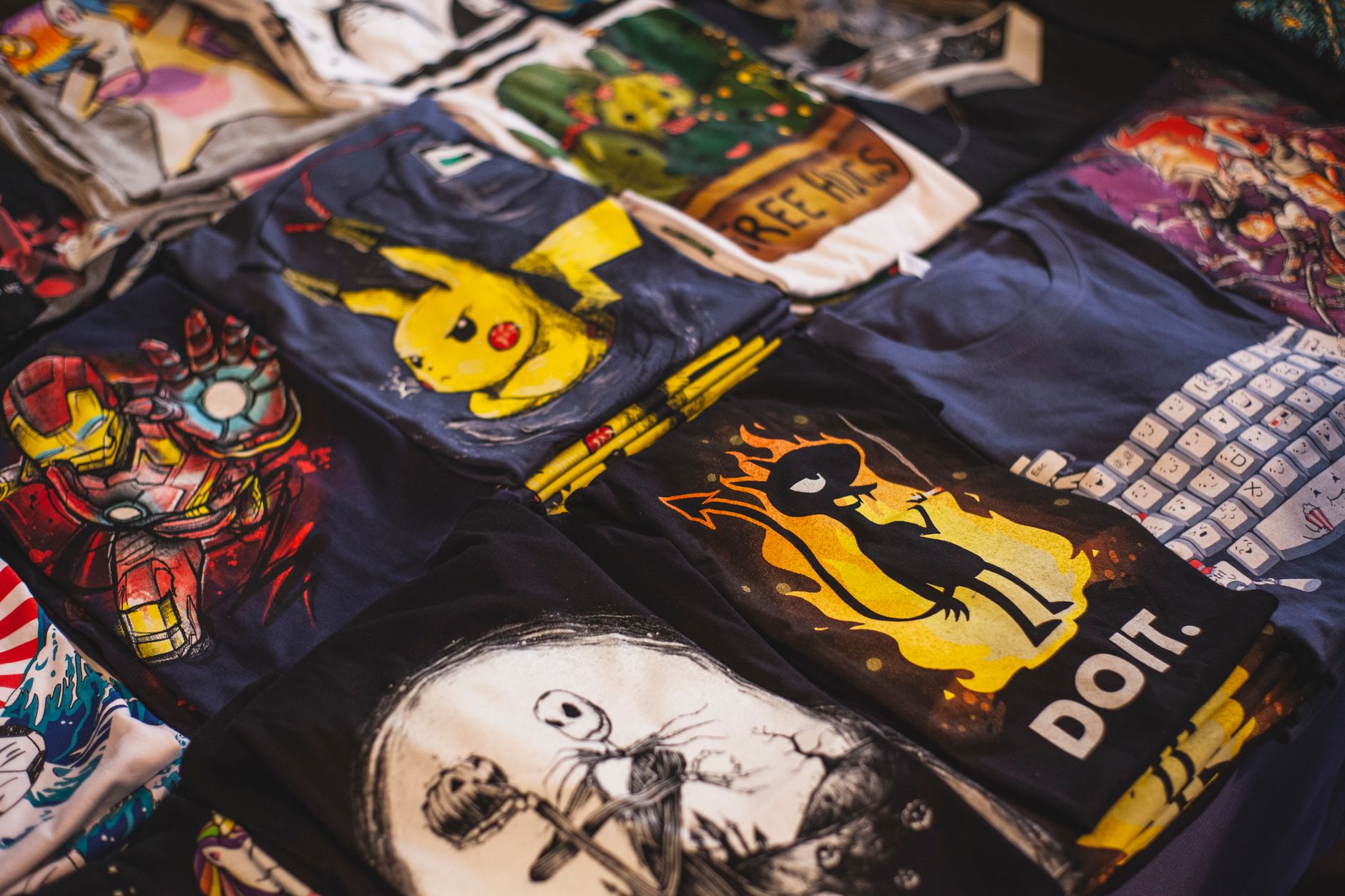
- T-shirts, hoodies, and hats
- Mugs and tumblers
- Tote bags and backpacks
- Phone cases
- Notebooks and journals
- Posters and wall art
- Stickers and magnets
- All-over-print apparel
For a small business owner with an established audience or brand, POD is one of the fastest ways to build a second revenue stream without disrupting your core operations.
Why Print-on-Demand Makes Sense for Small Business Owners
Traditional product lines require months of planning, supplier negotiations, and capital you might not want to tie up. POD lets you test a product idea in days, not quarters.
Here is why it works for small businesses specifically:
- Zero inventory risk. You never order more than you sell. If a design flops, you take zero financial hit.
- Low barrier to entry. Most POD platforms are free to join. Your only cost is the per-unit production fee, which comes out of the sale price.
- Brand extension opportunities. A service business, a coaching brand, or a local shop can all use POD to put their name on physical products customers actually use.
- Scalable without hiring. Because the supplier handles fulfillment, you can sell hundreds of items without adding staff.
- Test before you invest. Use POD to validate which products resonate before committing to bulk manufacturing for better margins.
Choosing the Right Print-on-Demand Platform
Not all POD platforms are equal. The right one depends on your product mix, your sales channel, and how much control you want over the customer experience.
Printful
Printful is one of the largest and most reliable POD suppliers in the industry. It integrates with Shopify, Etsy, WooCommerce, Squarespace, and more. Print quality is consistently strong, and they offer branding options like custom labels and packaging inserts. Their pricing is on the higher end, but the quality and integration ecosystem justify it for most small businesses.
Printify
Printify works differently: it is a marketplace of print providers rather than a single supplier. This gives you more options on price and product variety, but quality can vary depending on which provider you choose. Printify works well for businesses that want lower per-unit costs and are willing to vet their suppliers carefully.
Gelato
Gelato has a strong network of local print providers across more than 30 countries, which means faster shipping times and lower carbon footprint. If you have an international customer base, Gelato is worth serious consideration. Their product catalog has grown significantly and now includes apparel, wall art, and stationery.
Redbubble and Merch by Amazon
These are marketplace-first platforms where you upload designs and they handle everything, including the store. Margins are lower, and you have less control over customer relationships, but they bring built-in traffic. Good for testing concepts, not for building a brand-forward product line.
For most small business owners looking to build a real product line, Printful or Printify integrated into your own storefront is the right foundation.
How to Design Products That Actually Sell
The biggest mistake new POD sellers make is designing products they personally love rather than products their specific audience wants. Your job is not to create art. Your job is to solve a desire your customers already have.
Here is how to approach design for a small business POD line:
Start with your brand identity
Your logo, your tagline, your core brand colors. POD merchandise should feel like a natural extension of your brand, not a random side project. Keep the visual identity tight and consistent.
Design for your specific audience
A gym owner and a restaurant owner have very different customers. Ask yourself what your customers already wear, carry, or display at home. What would they be proud to use that is connected to your brand? A local barbershop’s branded snapback hat is a genuinely cool product. That same hat from an insurance agency would sit in a drawer forever.
Invest in design quality
If you are not a designer, hire one. A single great design is worth far more than ten mediocre ones. Platforms like Fiverr let you hire experienced POD designers for $50 to $150 per design, and that investment pays off quickly when a design resonates. Most POD platforms require high-resolution PNG files at 300 DPI or higher, so make sure your files are production-ready.
Start small
Launch with two to five products, not twenty. A focused lineup is easier to market, easier to photograph, and much easier to manage. You can always expand after you learn what works.
Setting Your Prices
POD margins are thinner than bulk manufacturing, which means pricing strategy matters. A typical Printful unisex t-shirt costs around $12 to $15 to produce. If you sell it for $25, your gross margin is only $10 to $13 before platform fees, payment processing, and marketing costs.
To make POD work financially:
- Price for perceived value, not just cost-plus. Branded merchandise from a business people love commands premium pricing. Do not race to the bottom.
- Bundle products. A mug and a t-shirt together at a slight discount moves more units and raises average order value.
- Keep your flagship products under $35. Apparel and drinkware under $35 converts well for impulse purchases. Higher-ticket items like all-over-print jackets require more intentional marketing.
- Use Mockup Generator tools. Professional-looking mockup photos dramatically improve conversion rates and justify higher price points.
Where to Sell Your POD Products
Your selling channel determines how much control you have over the customer experience and how much you keep per sale.
Your own website: The highest-margin option. You keep all profits above production cost minus payment processing fees. If you have a website, make sure it is built to convert before you drive traffic to a product page. A great product on a confusing website still does not sell.
Etsy: A strong channel for discovery, especially for art and lifestyle products. Etsy takes a 6.5% transaction fee plus a listing fee, but the built-in marketplace traffic is real. Good for early testing.
Your existing online store: If you already sell products or services online, adding a POD line is a natural extension. A WooCommerce or Shopify store that already has traffic is the best POD launch platform you can have.
Social selling: Instagram Shopping and Facebook Shops let you tag products directly in posts. Combine this with organic content about your brand and you have a low-cost sales funnel that does not require a massive ad budget.
Promoting Your Print-on-Demand Line
The build-it-and-they-will-come myth kills more POD businesses than bad designs ever will. You need a real promotion strategy.
Announce to your existing audience first
Your current customers and followers are your warmest audience. Send an email, post on social media, and tell anyone who interacts with your business. Your first sales will almost certainly come from people who already know and trust you.
Give away a few pieces
Order samples of your products first. Wear the shirt. Use the mug. Then give a few to loyal customers or local influencers who genuinely align with your brand. Authentic photos of real people using your products outperform studio mockups every time.
Tie merchandise to your brand story
The most successful POD products are not just products. They are identity signals. People buy branded merchandise because it says something about who they are. A hoodie from a gym they love. A mug from a podcast they listen to every morning. Connect your product line to the identity your brand already represents.
Use your existing store traffic
If you have a brick-and-mortar location, a physical display near the register can move significant volume. If you add an online store to your physical business, you can serve both walk-in customers and online shoppers from the same product catalog.
Common Mistakes to Avoid
- Skipping the sample order. Never launch a product you have not personally held and examined. Color accuracy, print quality, and sizing all vary from the mockup. Order samples before you publish.
- Using copyrighted material. Designs featuring sports teams, band logos, movie characters, or any recognizable trademarked content will get your store shut down. Create original artwork only.
- Launching too many SKUs at once. A product line with forty items and no clear best-sellers is hard to market. Focus your early lineup.
- Ignoring shipping time expectations. POD production typically adds 2 to 5 business days before shipping. Set accurate delivery expectations or you will get negative reviews.
- Treating it as a passive income play. POD requires real marketing effort. Products do not sell themselves. Budget time for content creation, promotions, and audience engagement.
Is Print-on-Demand Right for Your Business?
POD works best for businesses that already have an audience, a defined brand identity, and a customer base that is emotionally connected to what the business represents. It is less effective for businesses still building their core identity or those with no existing marketing channels.
If you have a following, a loyal customer base, or a brand your audience identifies with, print-on-demand is one of the lowest-risk, highest-flexibility ways to extend your business into physical products. You can test ideas fast, keep overhead near zero, and build a product line that makes your brand part of your customers’ daily lives.
That is a hard thing to put a price on.
According to the U.S. Small Business Administration, diversifying revenue streams is one of the most effective strategies for long-term small business stability. POD is one of the most accessible ways to do exactly that.
Ready to take your small business further? Join thousands of entrepreneurs at Hustler’s Library and get free access to guides, tools, and strategies that actually move the needle.
Ready to Know Where You Stand?
The Business Journey dashboard maps your exact position across all 13 stages. Track your progress, unlock resources for each step, and build with a framework used by thousands of founders at Hustler's Library.

No credit card required · Takes 3 minutes · Personalized to your stage