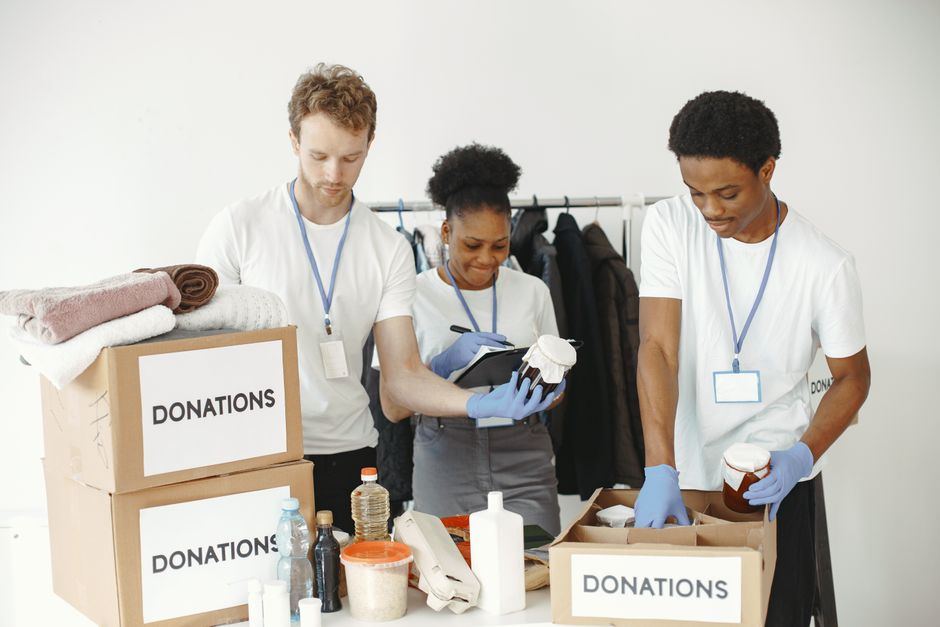
You don’t have to be a Fortune 500 company to have a social impact strategy. Corporate social responsibility, or CSR, is no longer just a buzzword for big brands with PR departments. Small business owners are using it every day to build stronger community ties, attract better customers, and stand out in a crowded market.
And the best part? Done right, CSR doesn’t have to cost much. What it requires is intention.
What Is Corporate Social Responsibility for Small Businesses?
Corporate social responsibility is the practice of running your business in a way that considers your impact on people, the environment, and the community around you. For small businesses, this isn’t about filing annual sustainability reports. It’s about making deliberate choices in how you operate, who you support, and what you stand for.
CSR typically falls into four buckets:
- Community involvement — volunteering, sponsoring local events, donating to neighborhood causes
- Environmental responsibility — reducing waste, going paperless, using eco-friendly suppliers
- Ethical business practices — fair wages, transparent pricing, honest marketing
- Employee welfare — creating a workplace where people want to stay
You don’t have to do all four at once. Start with one area that aligns with your values and your customers’ values.
Why CSR Is a Growth Strategy, Not Just a Feel-Good Exercise
Here’s something most small business owners don’t realize: CSR directly affects your bottom line. Consumers increasingly choose brands that align with their values. A Nielsen study found that 66% of global consumers are willing to pay more for products from companies committed to positive social and environmental impact. Among millennials, that number jumps to 73%.
Beyond customer behavior, CSR also affects:
- Employee retention — People want to work for companies that stand for something
- Brand differentiation — When your product is similar to competitors, your values become a selling point
- Press and visibility — Local media loves covering businesses that give back to their communities
- Customer loyalty — Buyers who identify with your mission become repeat customers and evangelists
This connects directly to what we covered in our guide on emotional branding. When customers feel a values-level connection to your business, price becomes less of a barrier.
How to Choose a CSR Focus That Fits Your Business
The biggest mistake small business owners make with CSR is picking a cause that feels random or disconnected from their brand. If you run a fitness studio and you sponsor a coding bootcamp for kids, that’s fine — but it won’t resonate with your customers the way a 5K charity run or a partnership with a local nutrition nonprofit would.
Ask yourself these three questions:
- What do my customers care about? Survey them, look at what they share on social media, pay attention to the conversations they have with you.
- What do I personally care about? Authenticity matters. If you’re faking it, people can tell.
- What’s already happening in my community? Look for existing initiatives to support rather than reinventing the wheel.
The sweet spot is where your customers’ values, your personal values, and community needs overlap. That’s where your CSR strategy belongs.
Practical CSR Strategies Small Businesses Can Start This Month
1. Partner With a Local Nonprofit
Find a nonprofit doing work that aligns with your brand and propose a partnership. This might mean donating a percentage of sales during a specific period, hosting a fundraiser in your space, or offering your skills pro bono. The nonprofit gets visibility and resources. You get authentic community connection and a story worth telling.
2. Build an Employee Volunteer Program
Give your team paid time off to volunteer — even just one or two days per year. This boosts morale, strengthens your culture, and shows your community that your business walks the talk. Document these events with photos and share them on social media. People notice.
3. Go Greener in Small Ways
You don’t need solar panels to make an environmental commitment. Start small: switch to recycled packaging, eliminate single-use plastics in your office, partner with suppliers who share sustainability values. Publicize these steps on your website and in your marketing. Even incremental progress signals to customers that you’re paying attention.
4. Commit to Fair and Transparent Business Practices
Publish your return policy clearly. Be upfront about pricing. Pay your contractors and vendors on time. Treat your employees fairly. These might not feel like “CSR moves,” but ethical business practices are the foundation of social responsibility. The SBA’s guide to running your business ethically is a solid starting point for building this foundation.
5. Source Locally When You Can
Buying from local suppliers keeps money circulating in your community and reduces your carbon footprint. When you make a local sourcing decision, talk about it. Tell your customers where your coffee comes from, where your packaging is made, who grew the flowers in your shop. Local sourcing is a CSR story that practically tells itself.
How to Communicate Your CSR Without Sounding Like You’re Bragging
There’s a fine line between authentic storytelling and performative self-congratulation. Customers can smell the difference. Here’s how to communicate your CSR efforts in a way that builds trust rather than triggering eye rolls:
- Show, don’t just tell. Photos of your team volunteering are worth more than a press release.
- Put specifics on your website. “We donated $4,200 to the local food bank last year” is more credible than “We care about our community.”
- Let others speak for you. When a nonprofit partner posts about you, share it. Third-party validation beats self-promotion every time.
- Be honest about your journey. You don’t have to pretend you’ve solved climate change. Customers respect businesses that say “here’s where we are and here’s where we’re headed.”
Your brand voice matters here. If you haven’t defined how your business communicates its personality and values, our guide on building a winning brand voice is the place to start.
Budgeting for CSR as a Small Business
You don’t need a separate department or a six-figure budget. Most small businesses start by allocating 1-2% of annual revenue to CSR activities. If that sounds like a lot, remember that many CSR activities are time-based, not money-based.
A few budget-friendly ways to get started:
- Volunteer your skills or your team’s labor
- Host free workshops for your community (career prep, financial literacy, small business basics)
- Donate slow-moving inventory rather than discarding it
- Offer a scholarship for a local student in a field related to your industry
When you do spend money, track it as part of your marketing budget. Many CSR expenses serve a dual purpose: they generate goodwill and they generate visibility.
Measuring the Impact of Your CSR Efforts
You can’t manage what you don’t measure, and CSR is no exception. Track the following:
- Community hours volunteered per quarter
- Dollars donated or in-kind value contributed annually
- Customer sentiment — are you getting more mentions tied to your CSR work? Are customers referencing your values in reviews?
- Employee engagement — has morale or retention improved since you launched CSR programs?
- Media mentions — local press, blog coverage, social shares tied to your initiatives
This data helps you refine your approach, report results to your team, and make a compelling case to partners and customers about who your business really is.
Common Mistakes Small Businesses Make With CSR
Doing it for the press and nothing else. If your CSR strategy lives and dies by whether a reporter shows up, it’s not a strategy. It’s a photo op.
Picking too many causes. Focus beats scatter. One well-executed initiative you do every year is more memorable than five half-hearted ones.
Ignoring your own backyard. You don’t have to go global. The most effective CSR for a small business is almost always hyper-local. Solve a problem your neighbors actually have.
Starting too big. Don’t wait until you can write a $10,000 check. Show up now with what you have. Consistency over time builds a real reputation.
The Long Game: Why CSR Compounds Over Time
The businesses that build the strongest brands in their communities don’t do it overnight. They show up consistently, year after year, for the same causes, with the same energy. Over time, their name becomes synonymous with those causes in the minds of local customers, employees, and partners.
That kind of brand equity is almost impossible to buy with advertising. But it’s available to any small business owner willing to commit to it.
Start small. Stay consistent. Be authentic. Let your actions do the talking.
If you’re ready to take your business to the next level, join Hustler’s Library for free and get access to the tools, guides, and community built for entrepreneurs who are serious about growth.
Ready to Know Where You Stand?
The Business Journey dashboard maps your exact position across all 13 stages. Track your progress, unlock resources for each step, and build with a framework used by thousands of founders at Hustler's Library.

No credit card required · Takes 3 minutes · Personalized to your stage