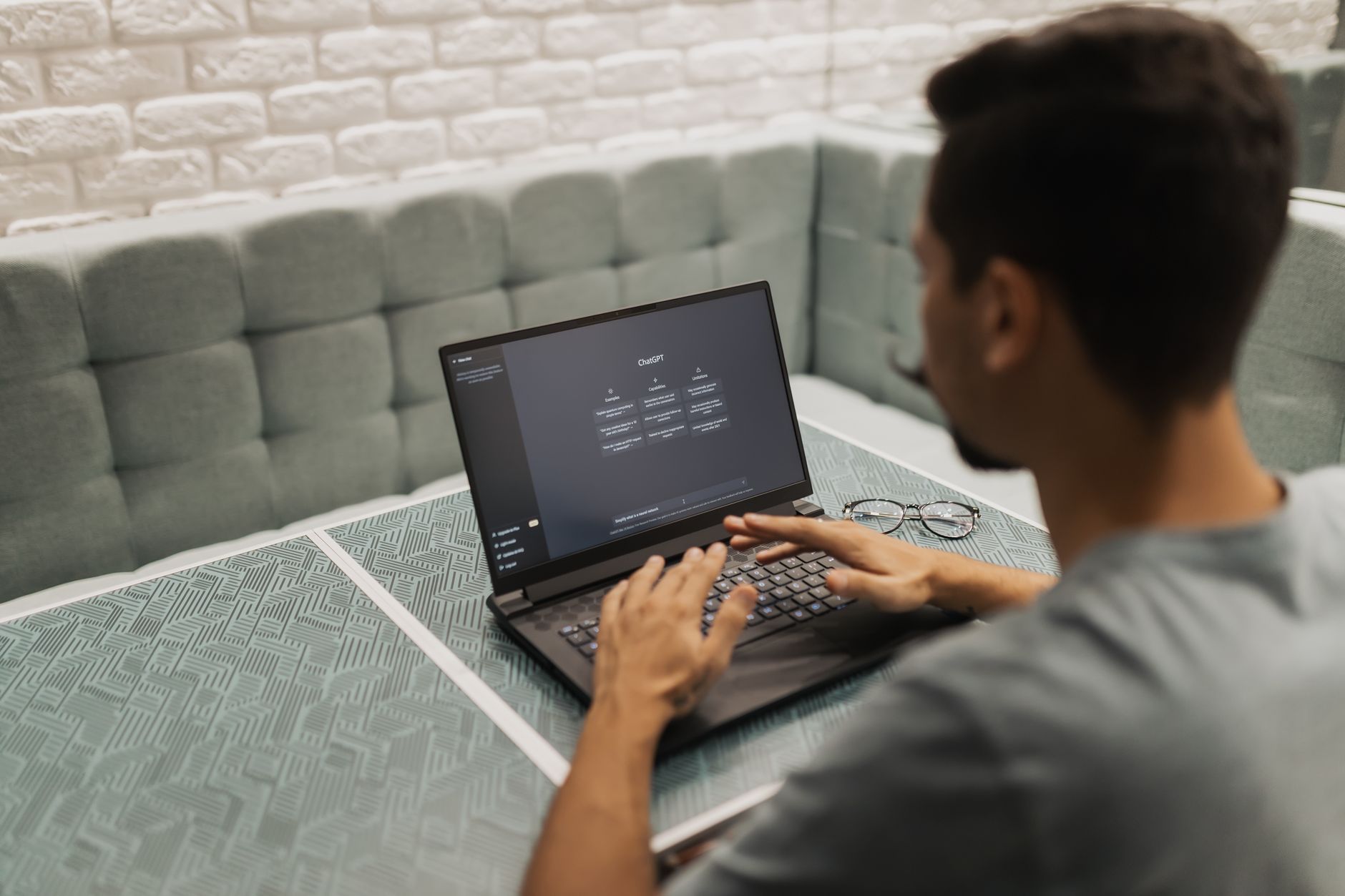
Forbes published a breakdown this month that reads less like a listicle and more like a business plan. The piece, “10 AI-Powered Side Hustles: Smart Business Ideas Using ChatGPT Or Claude”, lays out ten specific income streams ordinary people are building right now using AI tools that cost less than a streaming subscription. No employees. No venture capital. No coding degree required. According to Forbes, the common thread across all ten is the same: use AI to handle the production work while you handle the judgment and client relationships.
The timing is not accidental. A new survey from August 2026 found that 65% of aspiring US entrepreneurs plan to use AI as part of launching their next business. That number has nearly doubled in two years, and it shows up in how people are actually earning — not just in how they plan to.
What This Actually Means
The Forbes piece is not about replacing your job with a robot. It is about something more specific: using AI to compress the time it takes to build a viable product or service from months down to days. The hustles covered range from AI-powered content agencies and faceless YouTube automation channels to done-for-you prompt engineering services and AI-assisted e-commerce product research.
What makes this more than just another “top 10” article is what connects all the examples: the bottleneck has shifted. For years, the constraint on starting a side hustle was production capacity. Writing, designing, coding, video editing — these things took skill and time that most people did not have. ChatGPT and Claude have effectively removed that bottleneck. Now the constraint is distribution, positioning, and sales. Those are things a motivated person with hustle can figure out.
This is why you are seeing so many AI tools now running entire businesses — the same shift Forbes is documenting at the side hustle level is playing out at the SMB level too. The tools are accessible. The real work is deciding to start.
The Numbers Behind It
The data behind this trend is not soft. Bankrate reported in 2025 that 39% of Americans already have a side hustle, the highest share ever recorded. That was before AI tools became as capable as they are today. McKinsey estimates that generative AI could add $2.6 to $4.4 trillion in annual economic value globally — a big chunk of which flows through exactly the kind of small, nimble solo operators that Forbes is profiling.
Meanwhile, the Bureau of Labor Statistics reported that self-employment in technical services grew 14% between 2023 and 2025. That growth predates the current AI capability wave. When you pair that structural shift in the labor market with what ChatGPT and Claude can now do for content, research, and client deliverables, the conditions for a solo business operator have never been better.
And if you are wondering whether freelancing is still worth it in 2026, the short answer from the data is yes — but the edge increasingly belongs to people who are using AI to multiply their output rather than competing on time alone.
The Hustler’s Library Take
Forbes listing ten AI-powered side hustles is useful. But the real story here is not the list — it is the underlying shift in how leverage works for solo operators. Before AI, you had two choices: work more hours, or hire help. Both cost you something significant. Now there is a third option: use AI to multiply what a single focused person can produce in a week.
That changes the math on starting something. You do not need a team to launch a content agency anymore. You do not need $50,000 in inventory to test an e-commerce concept. You do not need a design background to produce professional-grade visual assets. The tools have democratized the production side of building income streams. What that means practically is that the gap between “thinking about starting something” and “having a real offer in the market” is now measured in days, not quarters.
The people who move fast on this will have a real advantage. Sam Altman himself has said AI is about to trigger the biggest small business boom ever. Forbes is showing you what that looks like at the ground level.
What You Should Do
If you want to act on what Forbes laid out, start with one of the lower-barrier options from their list and treat it like a 30-day experiment, not a career pivot. Here is a practical three-step approach based on the article’s examples:
1. Pick one output type you can sell. Written content, short-form video scripts, email sequences, market research summaries — these are all things businesses pay for regularly, and all of them can now be produced at scale using ChatGPT or Claude with good prompting. You do not need to master every tool. Master one use case.
2. Use AI to build your first sample deliverable today. Do not spend two weeks building a website before you have a single client conversation. Use AI to produce a sample of your work, then show it to five potential clients this week. The fastest way to validate a hustle is to try to sell it before you build the infrastructure around it.
3. Price for value, not hours. The biggest mistake new AI-powered freelancers make is charging by the hour. If AI helps you produce a 10-page market research report in 3 hours, the right question is not “what is my hourly rate” — it is “what is this deliverable worth to the buyer.” That mindset shift is what separates people who scale from people who stay stuck in the hustle.
The barrier to building a meaningful income stream on the side has never been lower. The Forbes piece is proof that people are already doing this. The question is whether you are going to be one of them.
Want more breakdowns like this? Join Hustler’s Library free and get the tools, tactics, and real-world case studies that serious operators are using to build income in 2026.
Ready to Know Where You Stand?
The Business Journey dashboard maps your exact position across all 13 stages. Track your progress, unlock resources for each step, and build with a framework used by thousands of founders at Hustler's Library.

No credit card required · Takes 3 minutes · Personalized to your stage