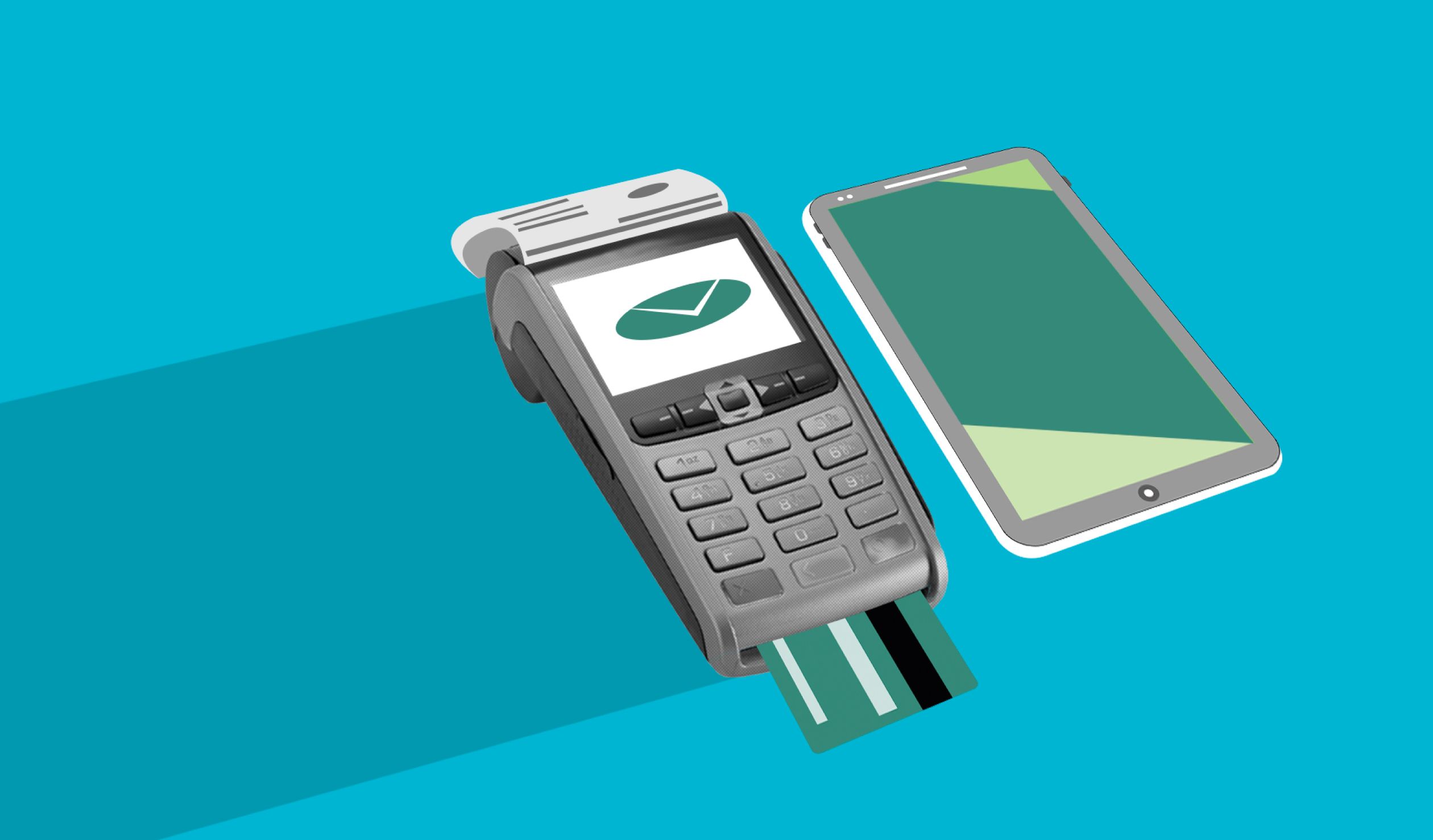
A Calgary-based payments startup just raised $53 million CAD to go after a gap that big banks left behind. Helcim, which powers payments for small and mid-sized businesses across North America, closed a Series C funding round on Friday, August 21, 2026, led by Business Development Bank’s (BDC) Growth Venture Fund. The round lifts Helcim’s valuation to $250 million CAD — nearly three times its $97 million valuation at Series B in 2024.
The timing is deliberate: several of Canada’s largest banks have recently sold off or outsourced their merchant services businesses, leaving tens of thousands of small business owners searching for a payment partner that actually gives a damn about them.
What This Actually Means
Banks have been quietly exiting the small business payments space. It’s not headline news — it rarely is — but the impact on merchants is real. When a big bank sells its merchant services division to a third-party processor, business owners often end up with opaque fees, worse support, and a platform that treats them like a rounding error.
Helcim is betting that small businesses are tired of it. According to the company’s press release, merchants are “coming to Helcim faster than ever, looking for a modern alternative.” The company has already scaled to more than 22,000 active businesses across Canada and the U.S., crossed $150 million in annual recurring revenue, and is on track to process nearly $10 billion in annual payment volume this year.
For small business owners, the message is straightforward: the big banks are retreating, and purpose-built alternatives are stepping up. This is the same dynamic playing out across business banking, lending, and now payments. The companies winning are the ones built specifically for small businesses — not the enterprises that treat you like a downmarket client.
The Numbers Behind It
Here’s what makes the Helcim story worth paying attention to beyond the headline raise:
- $10 billion in annual payment volume (projected, per Helcim’s announcement) — that’s not a startup playing around. That’s a serious payments infrastructure company.
- $150 million ARR crossed in the past year — growing fast enough to nearly triple its valuation in two years.
- According to the SBA, there are 33.2 million small businesses in the United States alone. Every one of them accepts payments. Most of them are underserved by their current processor — especially when it comes to transparent pricing and integration flexibility.
The funding round also included participation from Curql Collective, a strategic investment fund backed by more than 160 North American credit unions. That’s a signal: credit unions, which exist specifically to serve small and mid-sized businesses, are backing a payments company that shares that mission. That kind of institutional alignment matters.
If you’re currently paying flat-rate fees to a legacy processor — or you’ve never bothered to audit what your payment processing actually costs you — this story is a reminder that you have more options than you think. Our guide on how to choose the right business bank account touches on how to evaluate financial partners for your business, and the same criteria apply here.
The Hustler’s Library Take
The small business payments market isn’t broken by accident. For years, big banks and legacy processors bundled merchant services into bloated packages, buried the real cost in interchange markups, and made switching feel impossible. Small business owners accepted it because they didn’t know what they were missing.
Helcim’s model — volume-based interchange-plus pricing instead of inflated flat rates — is exactly what small businesses should be demanding from every financial service provider. In January 2026, the company also released an AI-powered Payment Extension that lets merchants self-integrate Helcim’s processing into whatever software they already use, eliminating vendor lock-in. That’s a serious feature. The ability to choose your processor without rebuilding your tech stack is something most small business owners have never had.
The bigger picture: banks exiting a market is always worth watching. When a major institution decides a segment isn’t worth serving, it either means the margins are too thin for them — or the segment is about to get disrupted by someone who builds leaner. In this case, it looks like both. For founders and entrepreneurs exploring their own funding journey, our post on how two brothers built a $1.5 billion AI startup in 13 months shows how fast things can move when a gap in the market is real.
What You Should Do
1. Audit your payment processing fees right now. Pull your last three months of merchant statements and calculate your effective rate (total fees divided by total volume). If you’re paying more than 2.5% on card transactions and you’re doing meaningful volume, you’re likely leaving money on the table. The interchange-plus model Helcim offers is more transparent — and often cheaper — than the flat-rate packages most small businesses default to.
2. Stop assuming your bank has your back. The Helcim story is a reminder that banks optimize for their balance sheets, not yours. Whether it’s merchant services, business lending, or cash management — the default option from a big bank is rarely the best one for a small business. Read our guide on cutting business costs without cutting corners to find other places where you might be overpaying for commoditized services.
3. Pay attention to AI-native business tools. Helcim’s AI-powered integration tool — which lets merchants connect payment processing to any software without developer help — is the kind of feature that would have required a custom build two years ago. As you evaluate vendors and service providers, ask whether they’re building AI capabilities into their core product. The gap between businesses that use these tools and businesses that don’t is widening fast. Our breakdown of what small businesses actually need to hit their 2026 growth targets covers this in more depth.
The banks are leaving. The question is who fills the gap — and whether you’re positioned to take advantage of the better tools, pricing, and services that come with it.
Want more stories like this every morning? Join Hustler’s Library for free and get the news, strategies, and tools that actually matter for your business.
Ready to Know Where You Stand?
The Business Journey dashboard maps your exact position across all 13 stages. Track your progress, unlock resources for each step, and build with a framework used by thousands of founders at Hustler's Library.

No credit card required · Takes 3 minutes · Personalized to your stage