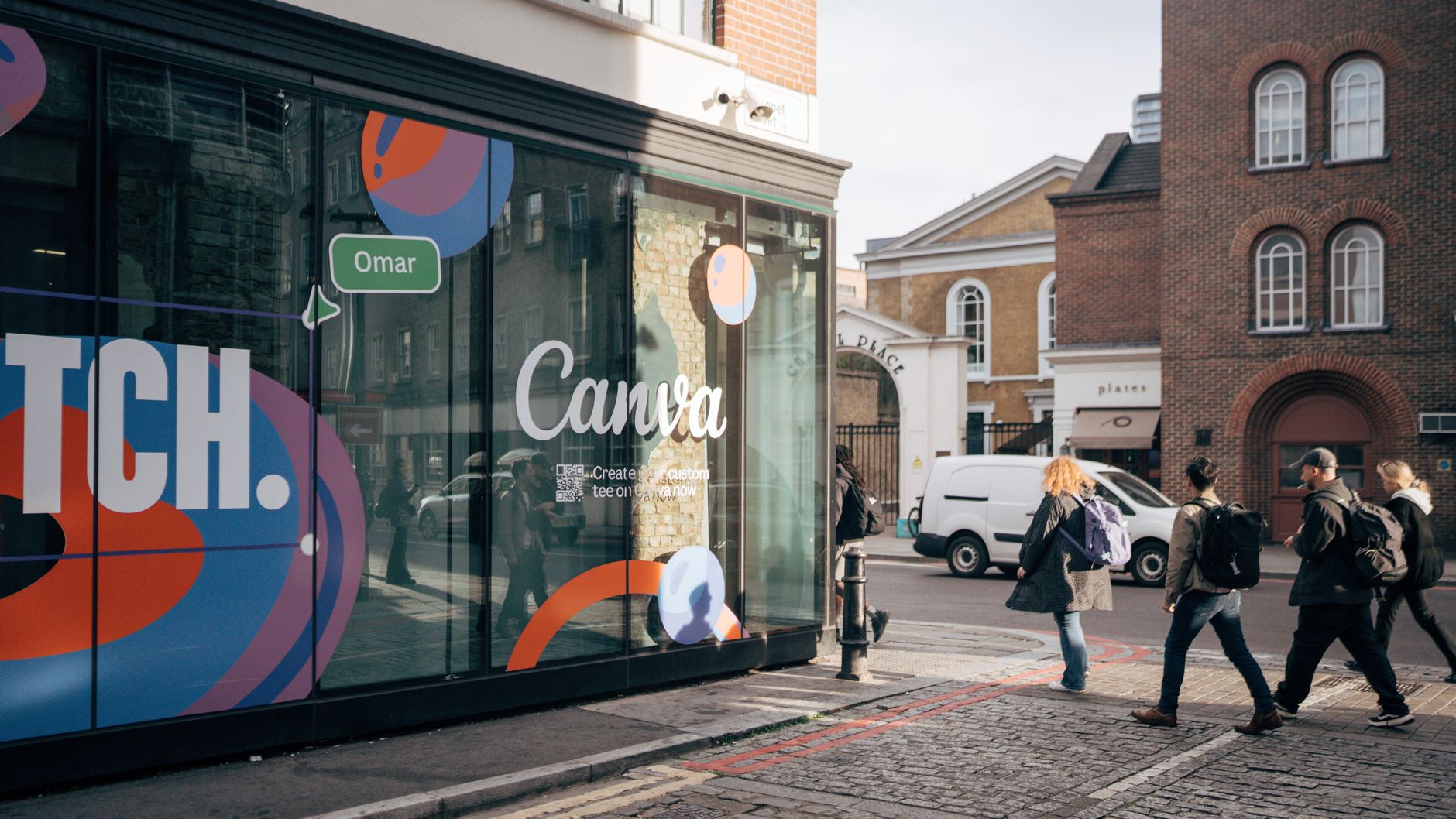
You don’t need a massive ad budget to get noticed. Some of the most effective marketing campaigns in history were pulled off with creativity, timing, and a willingness to break the rules of conventional advertising. That’s guerrilla marketing: high-impact, low-cost tactics that grab attention and get people talking.
For small business owners, guerrilla marketing isn’t just a budget workaround. It’s a competitive advantage. While big brands are stuck in committee meetings approving six-month campaign timelines, you can move fast, think locally, and create moments that your competitors simply can’t replicate.
Here’s how to use guerrilla marketing to build awareness, win customers, and grow your business without spending a fortune.
What Is Guerrilla Marketing?
Guerrilla marketing is any unconventional, unexpected marketing tactic that creates outsized impact relative to its cost. The term was coined by marketing legend Jay Conrad Levinson in the 1980s, and it’s been a staple of scrappy entrepreneurs ever since.
It doesn’t mean illegal, reckless, or annoying. It means strategic surprise. The goal is to reach your target audience in a place or way they don’t expect, make them feel something, and give them a reason to remember you and tell someone else.
Done right, a single guerrilla campaign can deliver more brand awareness than months of paid advertising.
Why Guerrilla Marketing Works for Small Businesses
Big brands have big budgets. You have agility, local knowledge, and a personal connection to your community. Those are real advantages.
Guerrilla marketing thrives on authenticity and specificity. A national brand running a stunt in your city looks corporate. When you do it, it looks like a neighbor who genuinely cares about making something cool happen. That authenticity is worth more than any media buy.
You also benefit from low competition. Most small business owners default to Facebook ads, Google ads, or social posts. When you show up somewhere unexpected, you have the whole field to yourself.
10 Guerrilla Marketing Tactics Worth Trying
1. Chalk Art and Sidewalk Stenciling
Temporary chalk art on busy sidewalks near your business or in high-foot-traffic areas is eye-catching, inexpensive, and usually legal (always check local ordinances first). A coffee shop can chalk an arrow from the nearest transit stop. A fitness studio can stencil motivational quotes along a popular running path. A bookstore can chalk literary quotes in front of a park.
The key: make it beautiful or funny or surprising enough that people stop and photograph it. That’s free social distribution.
2. Surprise Giveaways in High-Traffic Spots
Set up a table or pop-up in a busy location and give something away for free. Not pens. Something people actually want: free coffee, free samples, free fruit on a hot day. Include your brand prominently, but make the experience feel generous, not transactional.
The goal isn’t direct sales. It’s memorable first impressions and social buzz. People share moments of unexpected generosity. A local sandwich shop that sets up a “free lunch” table outside a college during finals week will generate more goodwill and word-of-mouth than a year of Instagram posts.
3. Sticker Campaigns
Custom stickers are cheap. If they’re clever or beautiful, people will put them on laptops, water bottles, and car bumpers voluntarily. That’s mobile advertising you don’t pay for after the initial print run.
Design stickers people want to own, not just your logo slapped on a circle. Think: a funny phrase relevant to your industry, a local reference, or something that signals tribal membership. Give them out at events, include them in orders, leave stacks at related local businesses.
4. Ambient Advertising
Ambient advertising means placing your message on unconventional surfaces or objects in a way that integrates with the environment. A gym wrapping a bench in a “Before” and “After” visual. A pizza shop placing fake pepperoni stickers on manhole covers near their location. A bookstore tucking bookmarks into books at a library’s used book sale.
The best ambient campaigns feel like they belong, then deliver a surprising twist that makes you smile. Always get permission from property owners or check local regulations.
5. Flash Mobs and Public Performances
A coordinated, unexpected public performance that ties back to your brand can go viral locally and sometimes beyond. This doesn’t require a dance troupe. A financial advisor could organize a “money quiz” street game. A music school could have students perform a surprise concert in a public square. A pet groomer could set up a “dog parade” in front of their shop on a Saturday morning.
Film everything. The goal is video content you can share as much as the live event itself.
6. Reverse Graffiti
Reverse graffiti means cleaning dirty surfaces in patterns or shapes to create your message. No paint, no ink. Just a pressure washer and a stencil. It’s temporary, environmentally friendly, and genuinely creative. Cities typically don’t have laws against cleaning public spaces.
A dirty city sidewalk turned into a clean branded pattern stops people cold. It’s unexpected enough to generate coverage and social sharing without the legal risk of traditional street art.
7. Targeted Leafleting Done Right
Most flyers are garbage. But a beautifully designed, highly targeted flyer in exactly the right location works. A bridal boutique leaving cards at wedding planning expos. A personal trainer leaving workout tips on bulletin boards at apartment gyms. A tax preparer leaving useful tax checklists (not sales pitches) at accountant-adjacent locations in February.
The guerrilla element: make the flyer itself useful or beautiful enough that people keep it instead of throwing it away.
8. Partner with Other Businesses for Joint Stunts
Two complementary businesses can pull off a guerrilla campaign that neither could execute alone. A coffee shop and a breakfast restaurant doing a coordinated morning giveaway. A florist and a jewelry store setting up a “date night” pop-up before Valentine’s Day. A gym and a health food store co-sponsoring a neighborhood fitness challenge.
Shared costs, doubled reach, more credibility. This is a core principle covered in depth in our guide to using co-marketing to grow your small business.
9. Hijack Local Events (Legally and Creatively)
When something big is happening in your area. a sports event, a concert, a festival. set up nearby rather than buying expensive inside sponsorship. Hand out branded gear. Offer a discount to anyone wearing the team’s colors. Create an experience that ties into the excitement without copying protected branding.
You get the foot traffic and energy of the event at a fraction of the cost of official participation.
10. Unusual Branded Merchandise
Skip the branded pens. Create merchandise that’s actually desirable and tells a story. A barbershop selling branded beanies that locals actually want to wear. A bookstore giving away tote bags with literary quotes. A restaurant handing out hot sauce bottles with their logo.
When your branded item becomes part of someone’s daily life, you get repeated impressions at no additional cost. Use a freelancer on Fiverr to design something genuinely cool without a big agency budget.
How to Plan a Guerrilla Campaign
The best guerrilla campaigns look spontaneous but are meticulously planned. Here’s a simple framework:
- Define your objective. Are you building awareness, driving foot traffic, generating social shares, or launching something new? Get specific. One campaign, one goal.
- Know your audience exactly. Guerrilla marketing only works when it’s in the right place at the right time for the right people. Generic stunts get ignored. Hyper-targeted ones get shared.
- Design for shareability. Ask yourself: would someone stop and photograph this? Would they tag a friend? Would they post it? If the answer is no, redesign it.
- Have a call to action. Every campaign needs somewhere to direct interest. A QR code, a hashtag, a URL, a specific offer. Don’t create buzz with no place to send it.
- Document everything. Assign someone to film and photograph your campaign from multiple angles. The content you generate is often more valuable than the live event itself.
- Measure it. Track foot traffic, website visits, social mentions, or sales during and after. The SBA has guidance on marketing your business that can help you build measurement into your overall strategy.
Guerrilla Marketing Mistakes to Avoid
A few pitfalls that turn a creative idea into a problem:
- Skipping permits. Some tactics require permission from property owners, event organizers, or local authorities. Always check before you execute. Getting shut down mid-campaign is the opposite of memorable, in the wrong way.
- Prioritizing cleverness over clarity. Your audience should understand what you do within seconds. If the stunt is so abstract that it doesn’t connect back to your business clearly, you’ve just done performance art for free.
- Doing it once and calling it done. Guerrilla marketing works best as a recurring part of your strategy, not a one-off. Build a calendar of micro-campaigns throughout the year.
- Ignoring the follow-up. The stunt gets attention. What happens next? Have your website, social media, and follow-up offers ready before you launch.
Tying It Into Your Broader Strategy
Guerrilla marketing works best when it feeds into a broader ecosystem. A stunt that drives people to your social media is more valuable when your social media is active. A giveaway that builds your mailing list is more valuable when you know how to use that list.
If you haven’t already, read our guide on how to develop a unique selling proposition. Before you invest in any marketing, make sure you’re clear on what makes you different and why someone should choose you. That clarity is the engine that makes every tactic, including guerrilla marketing, work harder.
When your guerrilla campaigns are generating attention, you need to be ready to convert it. Track where your new customers are coming from, what the acquisition cost looks like, and which tactics deliver the best return. Our guide on calculating and improving customer acquisition cost can help you build that measurement foundation.
The Bottom Line
Guerrilla marketing is one of the great equalizers in business. It rewards creativity, hustle, and local knowledge over budget size. The businesses that master it build fierce local followings, generate word-of-mouth that money can’t buy, and consistently out-market competitors who spend ten times more.
Start small. Pick one tactic, design it with care, execute it well, and document everything. Then refine and repeat. Over time, you’ll build a reputation as the business that always has something interesting going on, and that reputation is its own form of marketing.
Want more strategies like this? Join our free community at Hustler’s Library and get practical business guides delivered to your inbox every week.
Ready to Know Where You Stand?
The Business Journey dashboard maps your exact position across all 13 stages. Track your progress, unlock resources for each step, and build with a framework used by thousands of founders at Hustler's Library.

No credit card required · Takes 3 minutes · Personalized to your stage