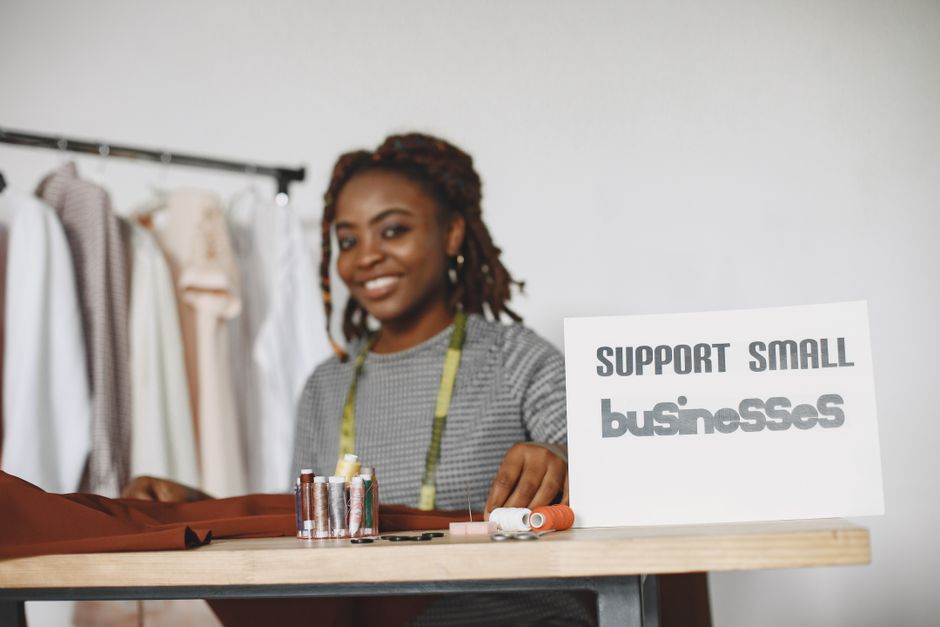
If you make something with your hands, have a creative talent, or sell unique products, Etsy is one of the most powerful platforms available to you as a small business owner. With over 90 million active buyers worldwide, Etsy connects makers and sellers with customers who are actively searching for handmade, vintage, and one-of-a-kind items. The platform has launched full-time businesses from kitchen tables, spare bedrooms, and garage workshops.
But Etsy is not a build-it-and-they-will-come situation. The sellers who succeed are the ones who treat it like a business: optimizing their listings, understanding the platform’s search algorithm, and actively marketing their shop. This guide walks you through everything you need to know to use Etsy effectively as a growth channel for your small business.
Why Etsy Works for Small Business Owners
Most small business owners underestimate how much built-in demand Etsy provides. Unlike building a standalone website from scratch, opening an Etsy shop puts your products in front of buyers who are already in purchasing mode. You do not need to generate traffic from zero; Etsy’s search engine does a significant portion of that work for you.
Etsy also has a trust factor that works in your favor. Buyers feel comfortable purchasing from Etsy sellers they have never heard of because the platform handles payments, provides dispute resolution, and has built a reputation for quality handmade goods. That brand trust transfers to your shop by default.
The platform works especially well for sellers of handmade goods, craft supplies, vintage items, digital downloads, personalized gifts, jewelry, home decor, clothing, and art. If your product fits one of these categories, Etsy can be a significant revenue driver.
Setting Up Your Shop the Right Way
Your Etsy shop setup matters more than most sellers realize. The decisions you make when you open your shop set the foundation for how customers find you and whether they trust you enough to buy.
Choose a Shop Name That Sticks
Your shop name is your brand on Etsy. Choose something memorable, easy to spell, and relevant to what you sell. Avoid names that are too generic or too niche. If possible, make it searchable: a name like “CopperLeafDesigns” communicates more than “SunshineShop247.” You can change your name once for free, so do not rush, but do not overthink it either.
Write a Compelling Shop Bio
Buyers buy from people, not storefronts. Your shop bio should tell your story: who you are, what you make, and why you make it. A genuine, personal bio builds connection and trust. Mention where you are based, how long you have been doing this, and what makes your products special. Keep it conversational, not corporate.
Set Your Shop Policies
Do not skip the policies section. Buyers read shop policies before purchasing, especially for personalized or custom items. Set clear expectations around processing times, shipping timelines, return policies, and how you handle damaged items. Clear policies reduce disputes and increase buyer confidence.
Crafting Listings That Rank and Convert
The listing is where Etsy success is made or lost. A great product with a weak listing will not sell. A well-optimized listing can turn a modest product into a best-seller. Here is what to focus on.
Master Etsy SEO
Etsy’s search algorithm works similarly to Google: it matches buyer search queries to seller listings using keywords. Your job is to include the exact words and phrases buyers are typing into the search bar.
Start with your listing title. Pack it with relevant keywords from front to back. For example, instead of “Blue Ceramic Mug,” write “Handmade Blue Ceramic Coffee Mug, Pottery Tea Cup, Rustic Kitchen Gift for Her.” Use all 13 available tags, and make sure your tags match the keywords in your title. Also fill out every attribute Etsy provides: color, material, occasion, style. The more data you give Etsy, the better it can match your listing to buyers.
Take Professional-Quality Photos
Photos are the single most important factor in whether a buyer clicks on your listing and whether they purchase. Etsy allows up to 10 photos per listing. Use all of them. Show multiple angles, close-ups of details, lifestyle shots of the product in use, and a size reference. Use natural light whenever possible. A plain white or neutral background works well for product shots. Do not let blurry or dark photos kill your sales.
Write Descriptions That Sell
Your description should answer every question a buyer might have before they reach out to ask. Include dimensions, materials, colors, customization options, care instructions, and processing time. Lead with the most important information because many buyers only read the first two or three sentences. End with a brief note about your process or why you love making this product. That personal touch closes the sale.
Pricing for Profit on Etsy
One of the most common mistakes Etsy sellers make is underpricing their work. Etsy charges a listing fee of $0.20 per item, a 6.5% transaction fee on the sale price, and a payment processing fee of around 3%. Keep in mind that Etsy sales are taxable income: the IRS Self-Employed Tax Center is a helpful resource for understanding your quarterly tax obligations as an Etsy seller. Before you set a price, calculate your actual cost of goods, add in your time at a fair hourly rate, then add Etsy’s fees on top. What is left over is your margin.
Resist the urge to compete on price with mass-produced alternatives. Etsy buyers are not shopping for the cheapest option; they are shopping for something special, personal, or handmade. Charge what your work is worth. Higher prices often signal higher quality on Etsy and can actually increase conversion rates.
If you want to understand more about building a product-based business with healthy margins, this guide on how to build a niche business is a useful read alongside your Etsy strategy.
Marketing Your Etsy Shop
Etsy’s internal search will only take you so far. The sellers who build real businesses on the platform also drive outside traffic to their shops. Here are the most effective channels.
Use Etsy Ads Strategically
Etsy’s internal advertising system, called Etsy Ads, lets you promote your listings directly within Etsy search results. Start with a modest daily budget of $3 to $5, run it for 30 days, and then review which listings are generating clicks and conversions. Pause listings that are not performing and increase budget on your best-sellers. Etsy Ads works best once you already have reviews and strong photos, so do not invest heavily in ads with a brand-new shop.
Drive Traffic from Social Media
Instagram and Pinterest are the two highest-converting social platforms for Etsy sellers. Both are visual, which plays to the strengths of handmade and product-based businesses. Post consistently, show your process behind the scenes, and link directly to your Etsy listings in your bio and posts. Buyers who discover you on social media and then visit your Etsy shop convert at high rates because they are already engaged with your brand. For a deeper dive, check out our guide on how to use Instagram to grow your small business.
Build an Email List from Day One
Etsy does not give you your customers’ email addresses, which means you are always one platform algorithm change away from losing access to your audience. Start building your own list from the beginning. Include a note in your packaging inviting buyers to join your newsletter for exclusive discounts and early access to new products. A small but loyal email list is worth more than a large Etsy following you do not own.
Getting Reviews and Building Reputation
Reviews are the lifeblood of an Etsy shop. Buyers rely on them heavily, and Etsy’s algorithm rewards listings with more positive reviews. The best way to get reviews is simply to deliver an exceptional experience: ship on time, package your products carefully, include a handwritten thank-you note, and over-communicate if there are any delays.
After a purchase is marked complete, Etsy sends a review reminder automatically. You can also follow up through Etsy Messages to thank the buyer and gently encourage a review. Never ask for a specific star rating, and never incentivize reviews with discounts or gifts in exchange for positive feedback. Keep it simple and genuine.
Expanding Beyond Etsy
Etsy is a great starting point, but it should not be your only channel. Successful sellers eventually diversify by building their own website alongside their Etsy shop. This gives you full control over your customer relationships, your brand, and your margins without paying Etsy’s transaction fees on every sale.
When you are ready to take that step, read our guide on how to add an online store to your business. The same principles apply whether you are moving from Etsy to a standalone site or adding a website to a physical location.
You can also use Etsy as a market research tool. The items that sell best on your Etsy shop are the ones you should lead with on your own website, invest in for wholesale, and promote most heavily on social media. Let the data guide your product decisions.
For a comprehensive overview of what Etsy expects from sellers in terms of policies and fees, the Etsy Seller Policy is required reading before you open your shop.
The Bottom Line
Etsy gives small business owners something that is genuinely rare: built-in demand, a trusted buying environment, and a low-cost entry point into e-commerce. But the platform rewards sellers who put in the work. Optimize your listings for search. Invest in great photography. Price your work to reflect its value. Market your shop beyond Etsy’s walls. Deliver an experience that earns five-star reviews.
The sellers who treat Etsy like a business, not a hobby, are the ones who build real revenue from it. If that is the kind of business you are building, everything you need to know is right here.
Ready to take your business to the next level? Join thousands of small business owners getting proven strategies, tools, and resources delivered straight to their inbox. Join Hustler’s Library for free and start building smarter today.
Ready to Know Where You Stand?
The Business Journey dashboard maps your exact position across all 13 stages. Track your progress, unlock resources for each step, and build with a framework used by thousands of founders at Hustler's Library.

No credit card required · Takes 3 minutes · Personalized to your stage