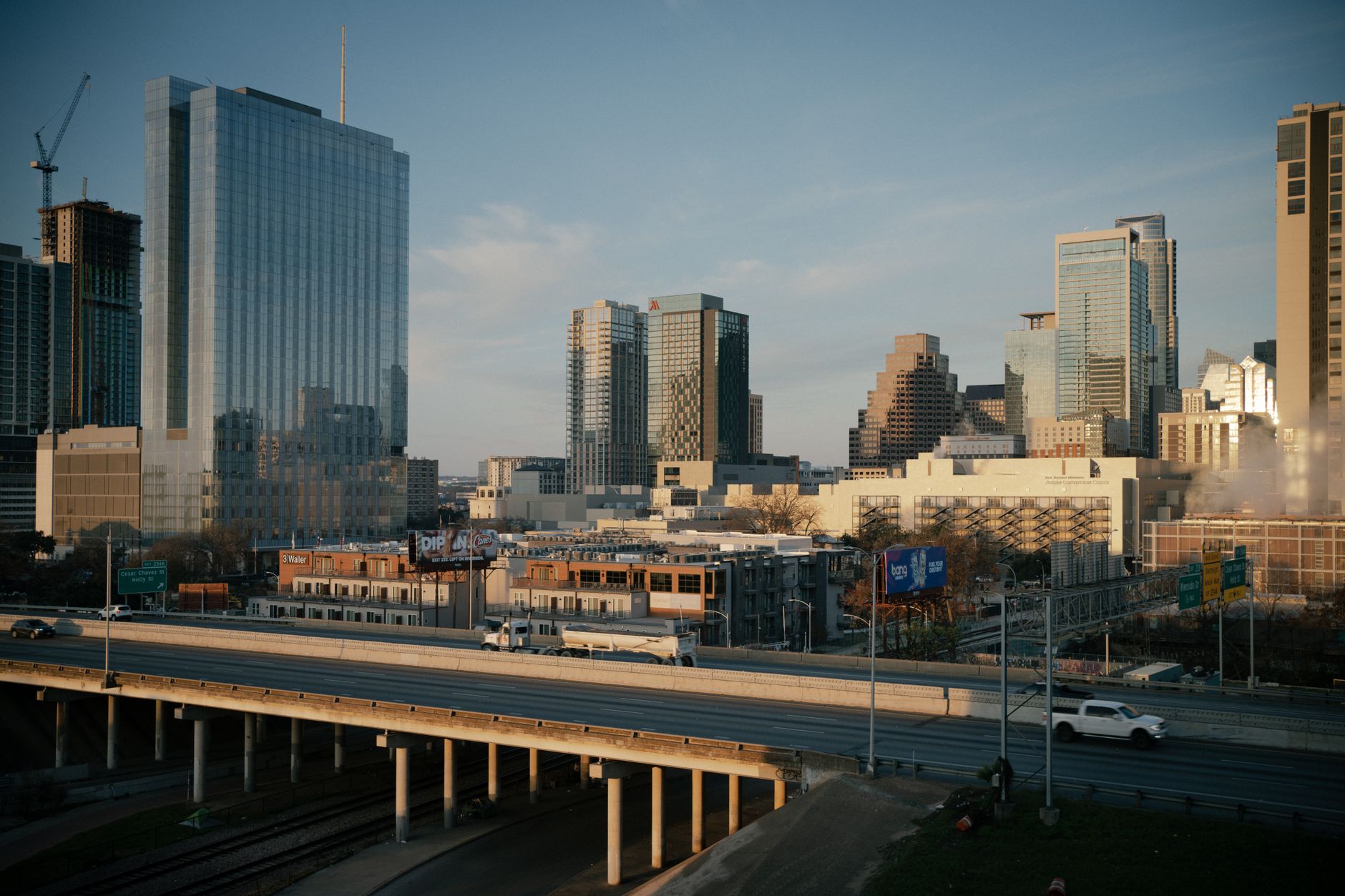
Texas has one of the most diversified economies in the United States. What started as an oil and cotton state has grown into a $2.5 trillion economy that spans technology, aerospace, healthcare, logistics, and advanced manufacturing. For entrepreneurs, understanding where the growth is concentrated in 2026 is not an academic exercise; it is a strategic map.
Here is a breakdown of the top industries in Texas and where each one is creating opportunity for small business owners right now.
Energy: Still the Foundation
Texas produces more oil and natural gas than any other state in the country. The Permian Basin in West Texas remains the most productive oil field in the world, and the energy sector generates hundreds of billions in economic activity annually. But the story in 2026 is not just fossil fuels; Texas has also become the number one state for wind energy production and is rapidly expanding its solar capacity.
For small businesses, the energy sector creates demand for: oilfield services, environmental consulting, engineering support, specialized logistics, safety training, and increasingly, clean energy installation and maintenance. Houston remains the energy capital, and if you are building a business to serve this sector, there is no better base than Houston’s business ecosystem.
Technology: Austin and Dallas Lead the Charge
Austin has earned the nickname “Silicon Hills” for good reason. The city is home to Dell Technologies, Apple’s largest campus outside Cupertino, Tesla’s Gigafactory, Oracle’s new headquarters, and dozens of high-growth startups. The tech sector in Austin alone employs over 170,000 people and continues to grow at a rate that outpaces most major metros.
Dallas is not far behind. The city’s growing concentration of fintech, telecom, and enterprise software companies, anchored by AT&T, Texas Instruments, and a wave of relocating firms, makes North Texas a legitimate second tech hub within the state. Small businesses in software development, IT services, cybersecurity, digital marketing, and SaaS support have a deep and growing client base across both corridors.
Aerospace and Defense: Fort Worth and San Antonio
Texas is a defense contractor powerhouse. Lockheed Martin operates its F-35 production facility in Fort Worth, making it the hub for advanced aerospace manufacturing. Naval Air Station Joint Base San Antonio is one of the largest military installations in the country, and the broader San Antonio metro has built an entire economy around defense contracting, cybersecurity, and veteran-owned businesses.
For entrepreneurs with the right clearances, certifications, or technical specializations, Fort Worth and San Antonio represent two of the most durable defense-adjacent markets in the nation.
Healthcare: A Growing Juggernaut
The Texas Medical Center in Houston is the largest medical complex in the world. It employs over 106,000 people, hosts 60 institutions, and sees millions of patients annually. But healthcare growth in Texas extends well beyond Houston. Dallas-Fort Worth, San Antonio, and Austin are all seeing significant healthcare expansion driven by population growth and an aging demographic.
Opportunity areas include: medical staffing, healthcare IT, medical device manufacturing, outpatient services, mental health practices, and elder care services. Texas also has a growing medical tourism sector that creates demand for patient concierge services and medical hospitality.
Manufacturing and Advanced Manufacturing
Texas is the second-largest manufacturing state in the U.S. by output. The state produces everything from refined petroleum products to semiconductors to food and beverages. Advanced manufacturing is growing particularly fast, with new semiconductor fabrication investments, electric vehicle components, and industrial automation driving growth along the I-35 and I-10 corridors.
Small manufacturers and contract fabricators with the right capabilities can find consistent work supplying larger operations. The state’s business-friendly environment, low land costs outside major metros, and strong logistics infrastructure make Texas an attractive manufacturing base compared to coastal alternatives.
Logistics and Distribution
Texas sits at the intersection of several major trade corridors. The Port of Houston is the largest U.S. port by foreign tonnage. The Dallas-Fort Worth Metroplex is one of the top inland logistics hubs in North America, with over 40 Fortune 500 distribution centers operating in the region. Amazon, FedEx, UPS, and virtually every major 3PL operator have significant Texas footprints.
For entrepreneurs in warehousing, freight brokerage, last-mile delivery, supply chain consulting, or fleet services, Texas offers an almost unlimited customer base. The best cities in Texas to start a business in this sector include Dallas, Houston, and the fast-growing suburban corridors between them.
Agriculture: Quietly Still Massive
Texas leads the nation in total farms and agricultural land. Cattle, cotton, grain sorghum, and dairy are all major industries. The agriculture sector may not dominate headlines the way tech does, but it represents tens of billions in annual output and creates demand for agribusiness services, agricultural technology, food processing, and rural real estate.
Food tech and ag-tech startups are finding fertile ground (literally) in Texas, where scale is available and regulatory friction is lower than in coastal states.
Where to Focus in 2026
The smartest move for a new or growing Texas business is to identify which of these industries overlaps with your skills and your target geography. Energy and logistics are strong in Houston. Tech dominates Austin. Defense and healthcare anchor San Antonio. Corporate and financial services cluster in Dallas.
Read our complete guide to doing business in Texas to understand the regulatory and tax environment that makes all of this growth possible, and to find out which city gives your industry the best launchpad. Also check out resources like the Texas Governor’s Office of Economic Development for current incentive programs by sector.
Want the playbooks to build inside Texas’s fastest-growing industries? Join Hustler’s Library free and get the strategies that serious Texas entrepreneurs are using right now.