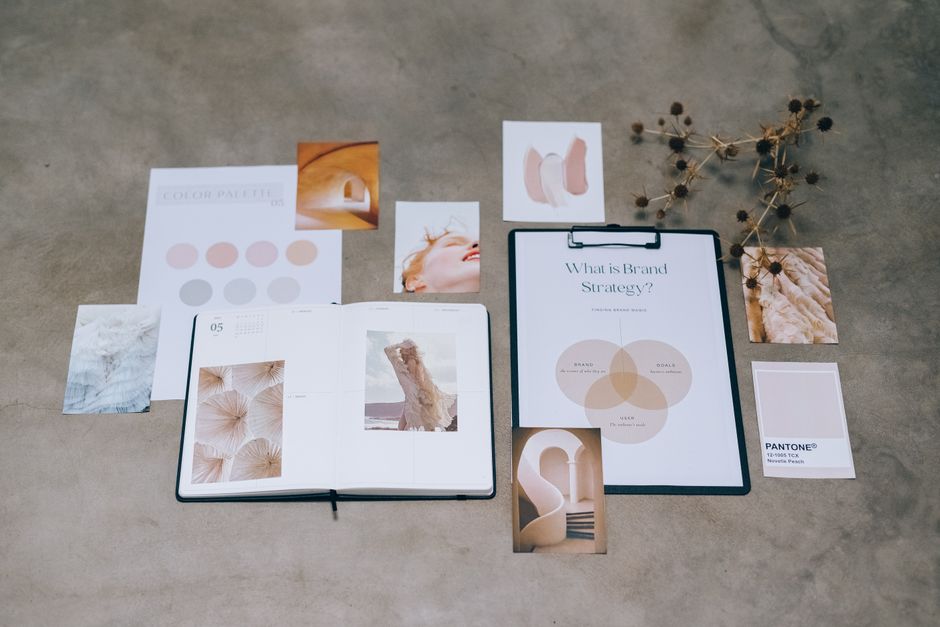
Your business has changed. Maybe you pivoted your services. Maybe your original name no longer fits. Maybe you look around at your logo, your website, and your messaging and think: this doesn’t feel like us anymore. If any of that sounds familiar, it might be time for a rebrand.
Rebranding is one of the most powerful moves a small business can make, but it’s also one of the riskiest if done carelessly. Done right, it can attract better clients, command higher prices, and breathe new life into a stagnant business. Done wrong, it can confuse loyal customers and erase years of goodwill.
This guide will walk you through exactly how to rebrand your small business without losing the customers you’ve worked hard to earn.
What Is a Rebrand (and What Isn’t)?
A rebrand is more than slapping a new logo on your website. It’s a strategic overhaul of how your business presents itself to the world. That can include your business name, logo, color palette, typography, tagline, tone of voice, and even the way you describe what you do.
A full rebrand changes everything: name, visual identity, messaging, and positioning. A brand refresh updates the look and feel while preserving the core identity. Both have their place, and choosing the right approach depends on why you’re rebranding in the first place.
5 Reasons Small Businesses Rebrand
Understanding your reason for rebranding shapes the entire process. Common motivations include:
- You’ve outgrown your original identity. What worked when you were a one-person operation may not fit a 10-person team with enterprise clients.
- You’ve pivoted your business model. If your services or target market have shifted significantly, your brand needs to follow.
- You’re entering a new market. Expanding regionally, nationally, or into a new industry often requires a fresh presentation.
- Your brand looks dated. Visual trends evolve. A logo that looked modern in 2012 might feel stale today.
- You have a reputation problem. Sometimes a rebrand is necessary to move past negative associations, a legal dispute, or a public relations issue.
Be honest with yourself about which bucket you’re in. The reason determines the scope, timeline, and messaging around your rebrand.
Step 1: Start With Strategy, Not Design
The biggest mistake small business owners make with rebranding is jumping straight to the visuals. They hire a designer, get excited about new colors, and then realize six months later that nothing has actually changed about how customers perceive them.
Before you touch a single pixel, answer these questions:
- Who is your ideal customer today, and how has that changed?
- What do you want to be known for?
- What feeling should your brand evoke?
- Who are your main competitors, and how do you want to stand apart?
- What elements of your current brand are worth keeping?
Write your answers down. This becomes your brand brief, and it’s what you hand to a designer or agency (or use yourself) to guide every decision that follows.
Step 2: Audit Your Current Brand
Before you can build something new, you need to know what you’re working with. A brand audit involves reviewing every customer touchpoint: your website, social media profiles, business cards, signage, email templates, proposals, invoices, and any physical packaging or materials.
Ask yourself: Does this feel consistent? Does it reflect who we are today? Would our best customer be proud to share this?
Also look at what your customers say about you. Read your reviews. Check your testimonials. The language real customers use to describe your business is some of the most valuable branding insight you can get, and it’s free.
Step 3: Decide What Changes and What Stays
Not everything needs to go. In fact, preserving certain elements, especially if you’ve built brand recognition, can be more valuable than starting from scratch.
Consider:
- Name: Changing your business name is the highest-stakes decision in a rebrand. If people know you, love you, and search for you by name, think carefully before ditching it. Sometimes a subtle evolution (abbreviating, modernizing, or adding a descriptor) is enough.
- Logo: Even iconic brands update their logos over time. The key is evolution, not erasure. Keep what people recognize and modernize what’s holding you back.
- Colors and fonts: These are easier to update than most people think, and they have a significant impact on how professional and current your brand looks.
- Messaging: Your tagline, value proposition, and the way you describe your services may need a full rewrite to reflect your new positioning.
Step 4: Build the New Brand
With your strategy defined and your audit complete, it’s time to build. If budget allows, work with a branding professional who understands small businesses. Platforms like Fiverr connect you with experienced brand designers at a range of price points, making professional rebranding accessible even if you’re working with a tight budget.
Whether you hire out or DIY, the deliverables you need include:
- Primary and secondary logo files (in SVG and PNG formats)
- Brand color palette with hex codes
- Typography guidelines (primary and secondary fonts)
- Brand voice guidelines (how you write and speak)
- Updated tagline and value proposition
Keep everything in one shared folder. This is your brand kit, and everyone who touches your marketing should have access to it. For more on building a cohesive visual identity, see our guide on how to build a strong brand identity without hiring an agency.
Step 5: Plan the Rollout (And Communicate It to Customers)
A rebrand launch is not just an internal event. It’s a communication moment with your market. Handle it well and you can generate buzz. Handle it poorly and you’ll confuse the very people who already trust you.
Here’s a simple rollout framework:
- Internal first. Brief your team before anyone goes public. They’re your brand ambassadors and they need to understand the why behind the change.
- Key clients next. Reach out personally to your most important customers before the public announcement. A quick email or call saying “We’re evolving our brand and wanted you to hear it from us first” goes a long way toward maintaining trust.
- Flip the switch all at once. When you go public, update everything simultaneously: website, social profiles, email signatures, Google Business Profile, and any physical materials you can swap out quickly.
- Tell the story. Don’t just launch, explain. Write a blog post or send an email that shares why you rebranded, what’s changed, and most importantly, what’s staying the same (your commitment to quality, your team, your values).
Step 6: Update Every Touchpoint
This is the tedious part, but it matters. An incomplete rebrand sends mixed signals. Make a checklist and work through it systematically:
- Website (all pages, including footer, favicon, and meta descriptions)
- Social media profiles and cover images
- Google Business Profile
- Email signature and email templates
- Business cards, brochures, and print materials
- Invoices and proposals
- Signage and physical locations
- Directory listings (Yelp, industry directories, chamber of commerce)
- Any packaging or product labeling
The U.S. Small Business Administration recommends treating your rebrand as a full marketing campaign, not just a design project. That means budgeting time and money for the rollout, not just the creative work.
Protecting Your New Brand
Once you’ve rebranded, protect your investment. Register your new name as a trademark if it’s not already protected. Secure relevant domain names and social media handles before you announce. And update your business registration and any relevant licenses to reflect the new name if you’ve changed it.
Failing to secure your digital real estate before going public is a common mistake. Competitors or domain squatters can move fast once a new brand name is announced.
Keeping Customers Through the Change
The fear most small business owners have is that a rebrand will cost them customers. And it can, if you handle it badly. But a thoughtfully communicated rebrand rarely loses loyal customers, because loyal customers are following you, not a logo.
The keys to retaining customers through a rebrand: communicate early, explain clearly, and make them feel like insiders. A strong customer retention strategy should be running in parallel with your rebrand, not as an afterthought.
Customers who feel respected during a brand transition often become your most enthusiastic advocates for the new direction.
How Much Does a Small Business Rebrand Cost?
The range is wide. A DIY refresh with new fonts, updated colors, and a Canva logo redesign can cost less than $500. A full professional rebrand with a designer, new website, and print materials can run $5,000 to $25,000 or more.
Most small businesses land somewhere in between. Budget for design, website updates, and a launch campaign at minimum. If you’re working lean, prioritize: get the digital assets right first (website and social), then update physical materials as they run out.
For tips on making the most of your marketing dollars during and after the rebrand, see our guide on marketing your small business on a tight budget.
The Bottom Line
Rebranding isn’t a sign that your business failed. It’s a sign that it’s grown. The most successful small businesses evolve their identities as they evolve their operations, and the ones that do it with intention, a clear strategy, and respect for their existing customers almost always come out stronger on the other side.
Start with the why. Build the strategy before the logo. Communicate with your customers like the partners they are. And launch with confidence.
Your next chapter is waiting.
Ready to level up your business? Join thousands of entrepreneurs getting actionable strategies every week. Join Hustler’s Library for free and get the tools, insights, and playbooks you need to build a business that lasts.
Ready to Know Where You Stand?
The Business Journey dashboard maps your exact position across all 13 stages. Track your progress, unlock resources for each step, and build with a framework used by thousands of founders at Hustler's Library.

No credit card required · Takes 3 minutes · Personalized to your stage