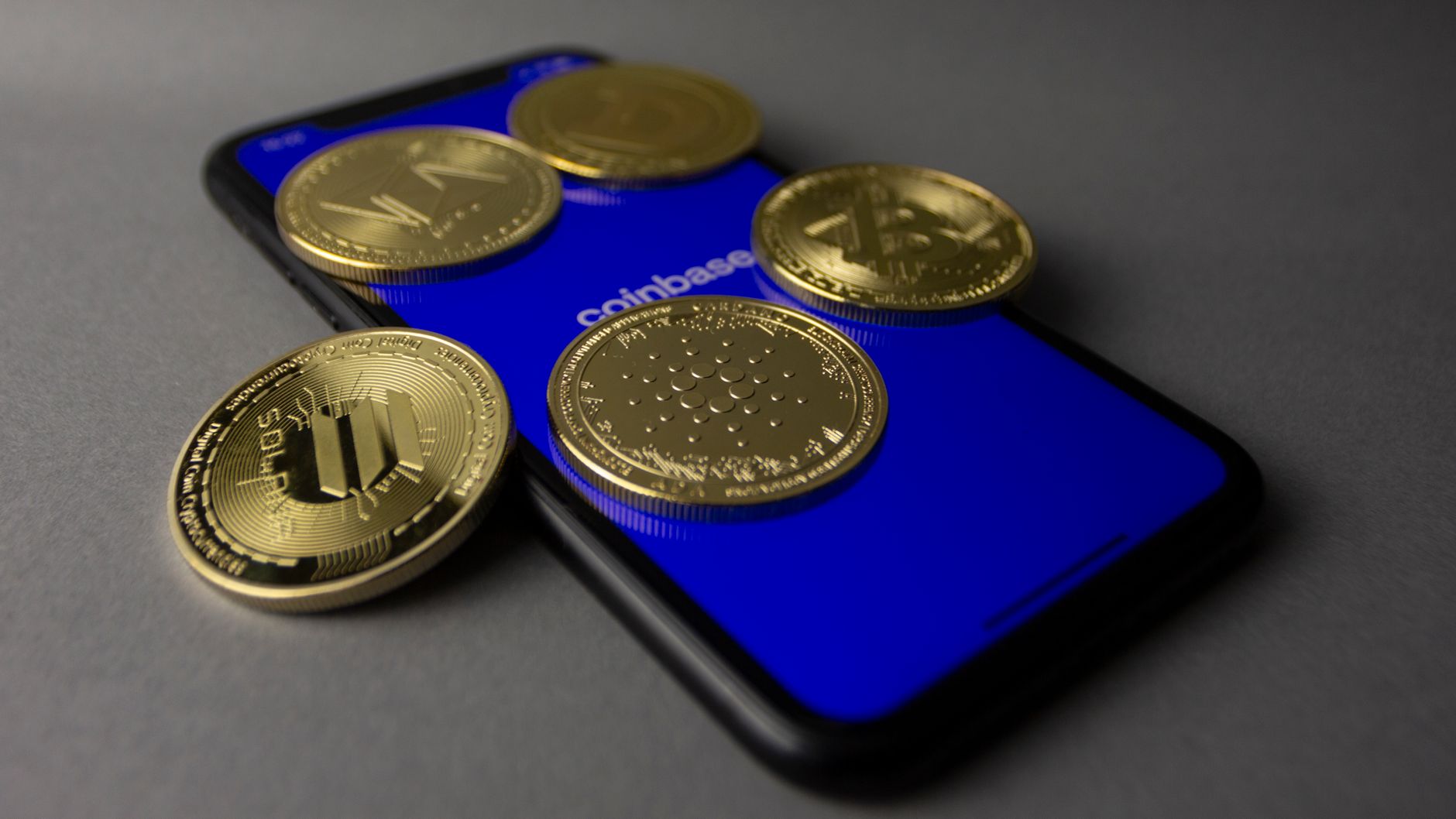
If you have been paying attention to the cryptocurrency world over the past few years, you have probably heard the name Solana come up more and more. It has been praised for its speed, its low transaction fees, and its rapidly growing developer ecosystem. But what exactly is Solana, how does it work, and does it matter for business owners? This guide breaks it all down in plain English so you can make sense of this fast-moving blockchain without getting lost in the technical weeds.
What Is Solana?
Solana is a public blockchain platform designed to run decentralized applications and process transactions at massive scale. It was founded by Anatoly Yakovenko and officially launched in March 2020. Yakovenko, a former Qualcomm engineer, built Solana around a core idea: blockchain networks did not have to choose between speed and decentralization. He believed the bottleneck was time itself and set out to solve it.
The native cryptocurrency of the Solana network is called SOL. It is used to pay transaction fees, participate in network governance through staking, and power applications built on the Solana blockchain. SOL became one of the top cryptocurrencies by market capitalization, earning Solana a reputation as an “Ethereum killer” for its ability to process far more transactions per second at a fraction of the cost.
To understand why Solana matters, it helps to first understand what Ethereum does. Ethereum is the dominant smart contract platform, but it has historically struggled with high fees and slower throughput during periods of congestion. Solana was built specifically to address those limitations.
A Brief History of Solana
Anatoly Yakovenko published the Solana whitepaper in 2017, introducing a concept called Proof of History. He co-founded Solana Labs with Greg Fitzgerald and several other engineers, many of whom came from Qualcomm and other major tech companies. After raising funding through a series of investment rounds, the Solana mainnet went live in March 2020.
Growth was rapid. By 2021, Solana was processing millions of transactions per day and had attracted a vibrant ecosystem of NFT projects, DeFi protocols, and Web3 applications. At its peak in November 2021, SOL traded above $250 per token.
The network has also faced setbacks. Solana experienced several high-profile outages between 2021 and 2022, raising questions about its reliability. The collapse of FTX in late 2022 hit Solana particularly hard, as FTX founder Sam Bankman-Fried had been one of the network’s most prominent backers, and much of the FTX venture portfolio was concentrated in Solana-based projects. SOL’s price dropped sharply in the aftermath.
Despite those challenges, Solana rebuilt its developer community and emerged from the 2022 crypto winter with a stronger ecosystem. By 2024 and into 2025, Solana was consistently among the highest-volume blockchains in terms of daily transactions and had become the leading chain for consumer-facing crypto applications.
How Does Solana Work? (Plain English)
Most blockchains have a sequencing problem. Before any transaction can be confirmed, every node in the network has to agree on the order in which transactions happened. That takes time. Solana’s core innovation, Proof of History, is essentially a built-in clock for the blockchain itself.
Here is the simple version: Proof of History creates a verifiable timestamp for every event on the network. Instead of every node needing to communicate back and forth to agree on what happened first, Solana encodes time directly into the data. This lets validators process transactions in parallel rather than sequentially, which is why the network can handle tens of thousands of transactions per second.
Solana pairs Proof of History with a Proof of Stake consensus mechanism. Validators stake SOL tokens as collateral and are chosen to confirm transaction blocks based on their stake and performance. This combination gives Solana both speed and security without requiring the energy-intensive mining that Bitcoin uses.
The result is a network that can process roughly 2,000 to 65,000 transactions per second depending on network conditions, compared to Ethereum’s roughly 15 to 30 transactions per second (before Layer 2 scaling solutions). And the fees? Typically a fraction of a cent per transaction, compared to Ethereum gas fees that can run several dollars or more during busy periods.
How Solana Differs from Bitcoin and Ethereum
Bitcoin and Solana are built for fundamentally different purposes. Bitcoin is a store of value and payment network. It is slow by design, prioritizing security and decentralization above all else. Solana is a programmable platform built for speed and scale. You would not build a decentralized app on Bitcoin, but Solana was designed from the ground up for exactly that purpose.
Compared to Ethereum, the differences are more subtle. Both networks support smart contracts and decentralized applications. But Solana takes a very different architectural approach to achieve speed. Ethereum is more decentralized and battle-tested, with a larger developer ecosystem and more tools available. Solana is faster and cheaper but has historically been more prone to outages and is considered less decentralized due to the high hardware requirements for running a validator node.
Think of it this way: Ethereum is the established city with deep infrastructure. Solana is the newer city built on a faster highway system, still expanding its roads and services.
What Solana Is Used For
Decentralized Finance (DeFi)
Solana hosts a large DeFi ecosystem including decentralized exchanges where users can swap tokens, lending protocols, and yield-generating platforms. Because fees are so low, Solana is particularly well-suited for high-frequency trading and small-value transactions that would be uneconomical on Ethereum.
NFTs and Digital Ownership
Solana became a dominant platform for NFTs, particularly consumer-facing projects. The low cost of minting and trading NFTs on Solana made it more accessible than Ethereum. Marketplaces like Magic Eden built their primary business on Solana before expanding to other chains.
Payments and Commerce
Several payment-focused projects have built on Solana specifically because of its speed and low fees. Solana Pay is a protocol that allows merchants to accept cryptocurrency payments directly, with transactions settling in under a second for less than a penny. For business owners exploring crypto payments, Solana is one of the more practical options from a pure cost and speed standpoint.
Consumer Applications
Solana has attracted more consumer-facing crypto apps than almost any other blockchain. Mobile-first applications, gaming platforms, loyalty programs, and social apps have all found a home on Solana because the user experience of sub-second confirmation and near-zero fees is essential for consumer adoption.
What Business Owners Should Know About Solana
If you are a business owner trying to understand whether Solana is relevant to you, here is the practical breakdown:
Accepting crypto payments: If you want to accept cryptocurrency at your business, Solana Pay is worth looking at. It allows customers to pay with USDC (a stablecoin) on the Solana network, meaning you can receive stable-value payments without exposure to SOL’s price volatility. Fees are negligible and settlement is instant. You can learn more about how crypto wallets and payments work in our guide to XRP and cross-border payments for additional context on the payments landscape.
Building on blockchain: If your business involves building apps, loyalty programs, or digital products, Solana’s developer ecosystem and low costs make it a practical choice for experimentation. The tooling has matured significantly and the developer community is large and active.
SOL as an investment or treasury asset: Some companies have added crypto to their balance sheets. SOL is a major liquid asset. But this guide is purely informational and this is not financial advice. Holding any cryptocurrency on a business balance sheet carries significant volatility risk and requires careful consideration with a qualified financial or tax advisor.
Risks to Understand
Solana is not without risk, and business owners should go in with eyes open.
Network reliability: Solana has experienced significant outages in the past. While the network has become more stable, it does not have the same track record of uptime as older networks. For any mission-critical application, this matters.
Centralization concerns: Running a Solana validator requires expensive hardware, which limits who can participate in securing the network. Critics argue this makes Solana less decentralized than it claims, and that fewer validators mean more concentrated points of failure or control.
Price volatility: SOL’s price has swung dramatically. It rose to over $250, collapsed to under $10, and has recovered substantially. Anyone holding SOL should expect and plan for major price swings. This is not financial advice, but the volatility is real and documented.
Regulatory uncertainty: All cryptocurrencies operate in a shifting regulatory environment. The IRS treats crypto as property for tax purposes, which means capital gains rules apply to any SOL you buy, sell, or use. You can review the IRS guidance on cryptocurrency at CoinGecko’s Solana page for current market data, and consult the IRS directly for tax treatment specifics.
The Bottom Line on Solana
Solana is one of the most technically impressive blockchain networks ever built. Its combination of speed, low fees, and a growing ecosystem of real-world applications sets it apart from earlier blockchains. For business owners, it is worth understanding as the infrastructure behind a new generation of digital payment and application tools.
That said, Solana is still a young technology with a volatile history. The network has shown resilience, but it has also shown it can fail. Any business decision involving Solana, whether that is accepting SOL payments, building on the network, or holding SOL as an asset, deserves careful research and professional advice.
Want to build a stronger foundation for your business finances and strategy? Join Hustler’s Library free and get access to guides, tools, and resources built for entrepreneurs who want to stay ahead.
Related Reading: Small Business Funding Guide
Ready to Know Where You Stand?
The Business Journey dashboard maps your exact position across all 13 stages. Track your progress, unlock resources for each step, and build with a framework used by thousands of founders at Hustler's Library.

No credit card required · Takes 3 minutes · Personalized to your stage