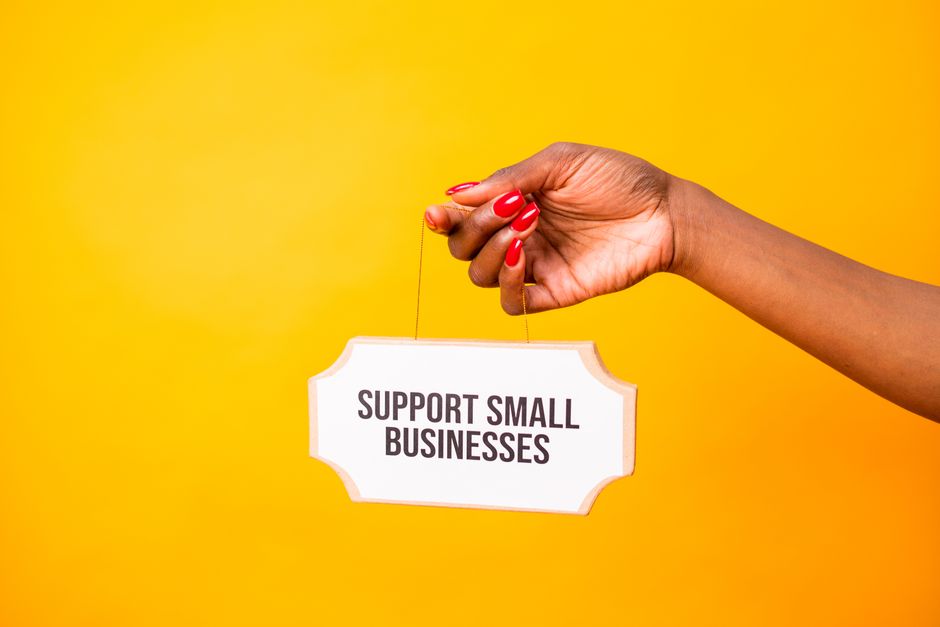
There’s a tired story that gets told about small, local businesses: that they’re always one Amazon price drop or one big-chain opening away from irrelevance. That they’re fragile. That the only way to survive is to go bigger, go digital, or get out of the way.
That story is wrong.
Some of the most profitable, most resilient, most recession-resistant businesses in the country are deeply local. Not despite being local, but because of it. They’ve figured out something that no national chain can replicate with a loyalty app or a slick ad campaign: genuine community is a business asset, and it compounds over time.
Here’s what that actually looks like, and how to build it deliberately.
The Thing Big Companies Can’t Buy
Walmart can open a store on your street. Amazon can offer same-day delivery to your customers. A national franchise can outspend you on ads ten times over. But none of them can walk into the youth soccer game on Saturday and know half the parents by name. None of them can sponsor your neighbor’s kid’s baseball team and actually mean it. None of them can show up at a city council meeting to advocate for a local issue that matters to your customers.
These things sound soft. They’re not. They’re the foundation of something hard to quantify and even harder to replicate: trust at the human scale.
Research on consumer behavior consistently shows that people prefer to buy from businesses they trust, and that trust is built faster and held longer through personal relationships than through any brand campaign. Why customers really buy often has less to do with price or convenience than with how they feel about the person or business they’re buying from. Local businesses have a structural advantage here that most never fully use.
Community as a Moat
In business strategy, a “moat” is anything that makes it difficult for a competitor to take your customers. Big companies build moats with technology, scale, and distribution. Local businesses build moats with relationships, reputation, and rootedness.
A customer who has bought from you for five years, who knows your name, who has seen you at community events, who has watched you support local causes, is not a customer you lose over a five-dollar price difference. That’s a customer who becomes a referral source. A defender of your reputation. Someone who tells people, without being asked, “You should go there, they’re good people.”
That word-of-mouth flywheel, once it’s spinning, is worth more than most paid marketing budgets. And it’s almost impossible for a competitor to kill. You can’t out-advertise genuine community affection.
Five Ways to Actually Build It
1. Show up where your customers are, not just where they buy
Community presence means more than being open during business hours. It means attending local events. Sponsoring things that matter to your customer base. Being visible at the farmers market, the school fundraiser, the neighborhood association meeting. You don’t need to be everywhere. You need to be somewhere consistently enough that people start to associate your business with being part of the community, not just selling to it.
The key word is “consistently.” Showing up once doesn’t build anything. Showing up every year for five years builds something real.
2. Make your local knowledge a product feature
You know things a national chain never will. You know which neighborhoods are growing. Which suppliers in the area are reliable. What your customers have been asking about lately. Which local regulations affect your industry. This knowledge has value, and you can make it part of what you sell.
A local insurance agent who knows the flood risk patterns in their county cold is worth more to a customer than a nameless call center. A local retailer who knows which products hold up to the regional climate is worth more than a generic online listing. Lean into your local expertise as a differentiator, not a consolation prize.
3. Collaborate with other local businesses
Other small businesses in your area are not always your competitors. Often, they’re your best marketing partners. A local gym and a local meal prep service. A photographer and a wedding venue. A landscaper and a local hardware store. Cross-referrals between businesses that serve the same customers are one of the most efficient growth levers available to small operators, and they cost nothing but relationship maintenance.
The businesses that build strong local networks tend to be more resilient in downturns and grow faster during good times. Community isn’t just a feel-good concept. It’s a distribution channel.
4. Be transparent about who you are
People want to buy from people, not logos. One of the clearest advantages a local business has is the ability to be genuinely human in a way that large companies have to fake. That means sharing the story behind the business. Being honest about what you’re good at and what you’re not. Acknowledging when you make a mistake and making it right in a way that a national call center never could.
This kind of transparency builds the kind of trust that ethical business conduct creates over time. It’s not about being perfect. It’s about being real. Customers are remarkably forgiving of businesses they feel a genuine connection to, and remarkably unforgiving of businesses that feel cold and corporate when something goes wrong.
5. Use your digital presence to amplify your local identity, not erase it
Too many local businesses try to look “corporate” online because they think that’s what’s expected. It usually backfires. Your social media, your website, your email newsletter, these are opportunities to show the people, the place, and the story behind your business. Behind-the-scenes content, local event announcements, customer spotlights, and community news all signal to your audience that you’re a real part of the community they live in.
Optimizing your local SEO goes hand in hand with this. Making sure your Google Business Profile is accurate and active, collecting genuine reviews, and showing up in local search results all extend your community presence into the digital space where customers increasingly begin their research.
The SBA’s Take on Community Ties
The U.S. Small Business Administration consistently emphasizes community engagement as a core growth strategy for small businesses, noting that local reputation and referral networks are among the most sustainable drivers of small business revenue. These aren’t soft metrics. They’re the structural reasons why many local businesses outlast their larger competitors in their specific markets.
The Mistake Most Local Business Owners Make
They treat “local” as a limitation instead of a strategy. They spend energy trying to appear bigger than they are, more national, more polished, when in reality their customers already know they’re local and are actively choosing them for that reason.
The fix is simple, if not easy: lean in. Own it. Build your entire brand, your marketing, your customer experience, around the fact that you are genuinely connected to this place and these people. Because that’s something no algorithm can replicate and no amount of venture capital can buy.
The businesses that figure this out don’t just survive. They become institutions. They become the places people recommend to every new neighbor, mention in every local forum, and defend when someone suggests an alternative. That’s not a small thing. That’s the whole game.
Your Next Move
Ask yourself honestly: does your community know you exist beyond your storefront or website? Do your customers feel like they know you, or just your products? Are you actively investing in local relationships, or just passively hoping people find you?
If the answer to any of those is no, you have an untapped asset sitting right in front of you. The only cost to start is showing up.
Want more strategies for building a sustainable, profitable business? Join thousands of entrepreneurs getting actionable insights at Hustler’s Library. It’s free.
Ready to Know Where You Stand?
The Business Journey dashboard maps your exact position across all 13 stages. Track your progress, unlock resources for each step, and build with a framework used by thousands of founders at Hustler's Library.

No credit card required · Takes 3 minutes · Personalized to your stage