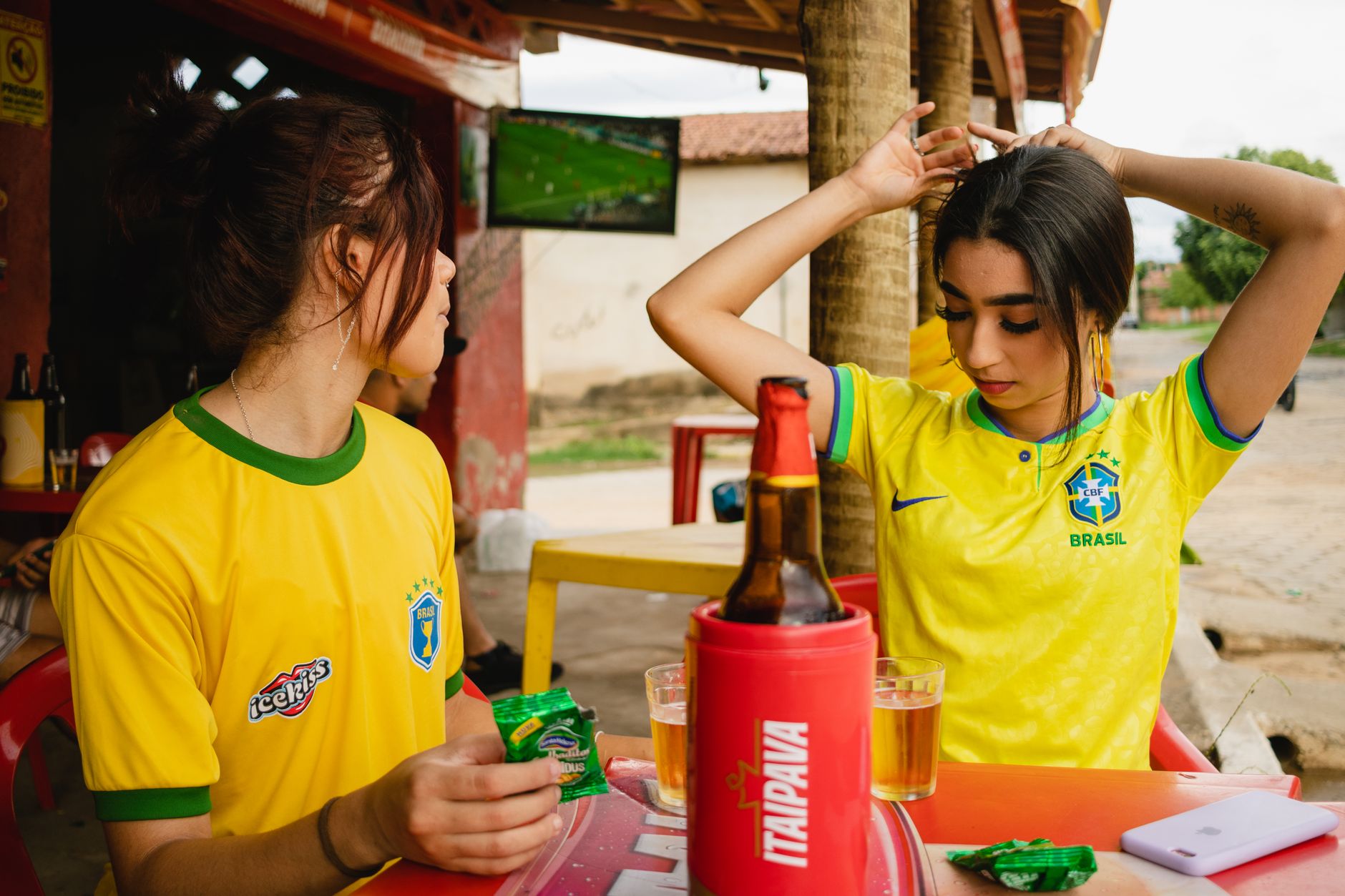
In April 2022, Jenny Nguyen emptied her personal savings account — about $27,000 — to open a sports bar with a single, very specific rule: only women’s sports on every screen. No NFL Sunday Ticket. No MLB. Just the WNBA, NWSL, college softball, and whatever else was happening in women’s athletics that day.
That bar, The Sports Bra, opened in Portland, Oregon. Eight months later, it had done nearly $1 million in revenue and turned a profit. It hasn’t slowed down since. Now Nguyen, 46, has raised $1.24 million in crowdfunding and is aiming to franchise to 40 locations across the country by 2030, according to CNBC Make It.
The timing isn’t luck. It’s a playbook.
What This Actually Means
The Sports Bra didn’t succeed because Nguyen guessed correctly. She succeeded because she solved a specific, felt problem for a specific, underserved group — and then held the line on the concept even when it looked like a weird bet.
Women’s sports bars barely existed in 2022. There were a handful across the country, maybe fewer. Nguyen was going against a sports bar industry designed entirely around men’s professional leagues. She had no franchise playbook, no VC backing, no media giant behind her. She had $27,000 and a name she thought was hilarious.
The broader tailwind she caught: advertising spend on women’s sports has jumped 120% since 2022, according to Nielsen. Women’s sports globally are projected to generate roughly $3 billion in revenue in 2026 — triple what they generated just two years ago, per Deloitte. The market moved toward her. But she had to be positioned to catch it.
That’s the part worth studying. Not just “find a trend and ride it.” But: pick a problem that’s real right now and that you believe will get bigger, and open a business that’s still standing when it does.
The Numbers Behind It
Nguyen’s crowdfunding campaign on Republic raised $1.24 million from more than 1,400 investors — nearly half of whom came in at the minimum investment of $250. That’s not institutional money. That’s customer-investors. People who buy into the idea, literally.
Revenue hit over $1 million annually every year since opening. In 2025, it dipped 18% to $1.02 million — a headwind she attributes to broader spending slowdowns in the bar and restaurant industry (37% of Americans cut back on dining out in 2025, per YouGov). The bar hasn’t been profitable since 2024, as Nguyen reinvests everything into building out the franchise infrastructure.
Her target: $75 million in annual revenue across 40 locations by 2030. She has five franchisees lined up — Boston, Las Vegas, Indianapolis, St. Louis, and Portland, Maine — with St. Louis expected to open by the end of October. Her original Portland location has already attracted partnerships with the WNBA, Nike, and Reddit co-founder Alexis Ohanian’s 776 Foundation.
The retention metric she’s not talking about enough: merchandise sales are growing steadily. That’s a signal that The Sports Bra has crossed from venue into brand — a much more durable business.
The Hustler’s Library Take
Here’s what most founders get wrong about niche businesses: they think niche means small. Nguyen didn’t build a small bar. She built the first major brand in a category — women’s sports-focused hospitality — that didn’t exist yet at scale. That’s not niche. That’s a land grab.
But here’s the less-discussed risk she’s navigating right now: going from one successful location to a franchise is one of the hardest transitions in business. Her 2025 revenue dipped. She hasn’t been profitable. She’s spending ahead of revenue, betting that new locations will produce returns before the existing Portland bar runs out of goodwill and margin. That’s a legitimate tightrope, and she’s walking it in public, with crowdfunded investors watching.
The crowdfunding move is actually brilliant in this context. Her investors aren’t just capital — they’re her most engaged customers, ambassadors, and word-of-mouth engines in new cities. That’s a community strategy disguised as a financing strategy. More founders should borrow it. The SEC raised the crowdfunding limit significantly, which means there’s more room to use your customer base as your investors than ever before.
Compare this to the typical franchise playbook: raise from an institution, sell territories, lose control of your brand voice. Nguyen’s version keeps her audience inside the tent. That’s a smarter structure for a brand-first business.
One more thing worth noticing: she’s been clear that 40 locations in four years is a “best-case scenario” and a “moonshot.” That kind of honesty with investors, especially crowdfunded retail investors, is rare. It also builds the trust that makes people stick around when it gets hard.
What You Should Do
1. Identify the “invisible audience” in your market. Nguyen’s insight wasn’t “sports bars are good.” It was “there are people who love sports and never feel welcome at sports bars — and nobody is serving them.” Every industry has a customer segment being ignored by the incumbents. That segment is a business opportunity. Map the gap before you map the product.
2. Use your customer base as a capital source before going to strangers. The Sports Bra’s $1.24M crowdfunding round succeeded because Nguyen had built a loyal audience first. If you’re at the point of needing outside capital, ask yourself: have I made it easy for my most loyal customers to invest? The crowdfunding cap has expanded. Traditional VC funding is harder than ever to get — community-based capital is a real alternative.
3. Build toward a brand, not just a location. The moment The Sports Bra started selling merchandise that people wore in public, it stopped being just a bar. Revenue from a second revenue stream (merch, events, licensing) gives you more runway when your core business hits a soft year. If you run a location-based business, ask what you could sell that doesn’t require someone to be standing in your building to buy it. Nguyen’s partnership deals with Nike and the WNBA didn’t come from being a great bar — they came from being a recognizable brand. Not every business should scale, but if you want to, build brand equity before you build locations.
Jenny Nguyen bet her life savings on an idea that didn’t exist. Four years later, the market caught up. Watch what she does next.
Want more founder stories and business strategies in your inbox? Join Hustler’s Library for free and get the morning briefing trusted by 50,000+ entrepreneurs.
Ready to Know Where You Stand?
The Business Journey dashboard maps your exact position across all 13 stages. Track your progress, unlock resources for each step, and build with a framework used by thousands of founders at Hustler's Library.

No credit card required · Takes 3 minutes · Personalized to your stage