You just closed the deal. The client signed. Money is on the way. But here is the part most small business owners skip entirely: what happens in the first 48 hours after a client says yes.
That window is where trust gets built or broken. And a great customer welcome package is how you nail it every single time.
A customer welcome package is exactly what it sounds like: a structured set of materials, touchpoints, and communications you deliver to a new client right after they come on board. Done right, it answers their questions before they ask them, sets clear expectations, and makes them feel like they made the right choice hiring you.
Done wrong, or skipped altogether, it leaves clients anxious, confused, and already wondering if they should have gone with someone else.
Here is how to build one that actually works.
Why a Welcome Package Matters More Than You Think
There is a concept in psychology called buyer’s remorse. It happens right after a purchase, when the excitement fades and doubt creeps in. The bigger the commitment, the stronger the doubt.
For a service business, that means a new client who just paid you a significant fee is already second-guessing themselves before you have done a single thing for them. Your welcome package is the antidote. It says: you made the right call, here is exactly what happens next, and we have got you covered.
Beyond the psychology, welcome packages also reduce friction. Every question you answer upfront is a question you do not have to field later. Every piece of information you deliver proactively is a delay you prevent. That makes you look more professional, saves your team time, and starts the client relationship on the strongest possible footing.
According to the U.S. Small Business Administration, strong customer relationships are one of the top drivers of small business stability and growth. A welcome package is one of the simplest, most concrete ways to invest in those relationships from day one.
What to Include in Your Customer Welcome Package
Your package does not have to be elaborate. It has to be useful. Here are the core components to build around.
1. A Personal Welcome Note or Message
Start with something human. This can be a short email, a handwritten note, or a brief video message from you personally. It should thank them for choosing you, express genuine excitement about working together, and set a warm tone for everything that follows.
Keep it short. Two to three sentences is plenty. The goal is to remind them that there is a real person on the other end of this relationship, not just a company logo.
2. A Clear Explanation of What Happens Next
This is the most important piece of the whole package. New clients are not worried about whether you are capable. They are worried about what they are supposed to do now, when things will start, and what to expect from you.
Give them a simple timeline. It does not have to be a formal project plan. Something like: Week 1 we do this, Week 2 we do that, you can expect to hear from us by this date. Clear beats clever every time.
3. Your Contact Information and Communication Preferences
Tell them how to reach you, when you are available, and what the best channel is for different types of questions. If you use a project management tool, give them access and a quick walkthrough. If you prefer email over phone calls, say so. Setting communication norms upfront prevents a lot of friction down the road.
4. Any Forms, Questionnaires, or Information You Need From Them
If you need anything from the client to get started, include it here. A brand questionnaire, a technical intake form, login credentials, key dates. The welcome package is the natural moment to collect this, and bundling it together feels organized rather than disjointed.
Keep it simple. Do not overwhelm them with a 40-question form on day one. Collect only what you genuinely need right now.
5. An FAQ or Quick Reference Guide
Think about the five to ten questions new clients ask you most often. Write them down and answer them. What is your revision policy? What happens if a deadline gets pushed? How do invoices work? How do you handle scope changes?
Building this FAQ does double duty: it saves you from answering the same questions on every project, and it makes clients feel like you have been through this before and know how to handle things. That is reassuring.
6. A Resource or Quick Win
This is optional but powerful. Including a short guide, a checklist, or a piece of relevant content that helps the client right away reinforces the idea that you are already delivering value before you have even started the core work.
A marketing consultant might include a one-page audit checklist. A web designer might include a guide on what makes a great homepage. A business coach might include a simple goal-setting template. It does not take long to create and it makes a strong impression.
Digital vs. Physical: Which Format Should You Use?
Most welcome packages today are delivered digitally, and for good reason. They are faster, cheaper, easier to update, and can include clickable links and video.
A well-designed PDF sent via email, a shared folder in Google Drive, or a branded client portal all work well. If you want to go a step further, tools like Notion or Dubsado let you build polished client portals that house everything in one place.
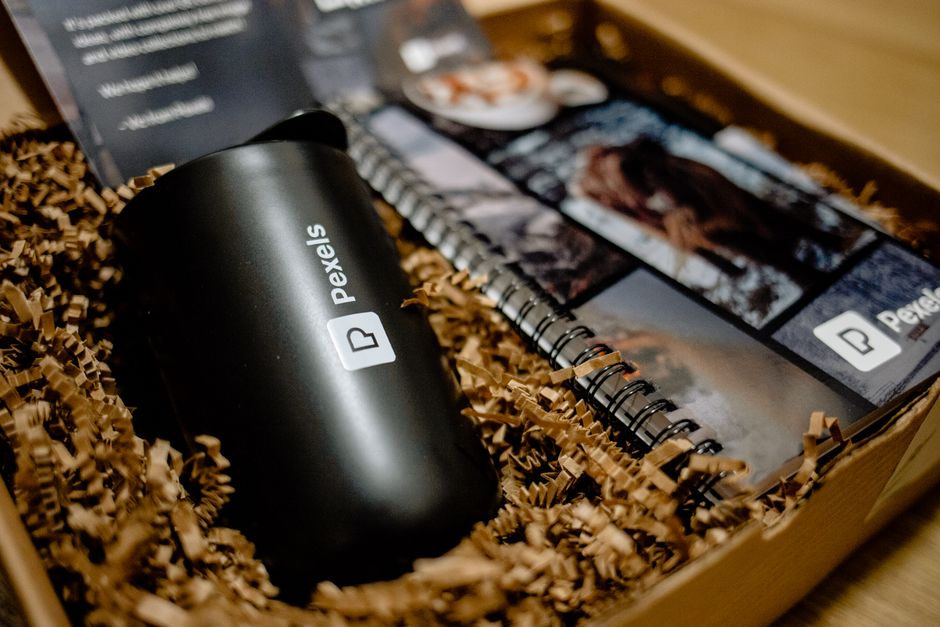
Physical welcome kits, think a branded box with a handwritten note, a small gift, and a printed guide, are reserved for high-ticket clients or industries where the relationship is especially personal. They are memorable, but they come with a cost and logistics overhead that does not make sense for every business.
The right format depends on your price point, your industry, and the experience you want to create. For most small businesses, a clean digital package delivers 95 percent of the value at a fraction of the effort.
How to Personalize Without Recreating Everything From Scratch
The best welcome packages feel personal but are mostly templated. That is the goal.
Build a master template that covers your standard content: the FAQ, the communication guide, your process overview, your contact info. Then create a short personalization layer on top: the client’s name, a specific note about their project, and any materials unique to their situation.
This approach means you can deliver a polished, personalized package in 15 to 20 minutes per client instead of starting from scratch every time. That is sustainable, and sustainable is what builds a great customer service operation over the long run.
When to Send It and How to Follow Up
Send the welcome package within 24 hours of a client signing on. Ideally the same day. Speed matters here because you want to catch them while the excitement of the decision is still fresh.
After the package goes out, follow up within two to three days with a quick check-in. Did they receive everything? Do they have any questions? Is there anything blocking them from completing the intake form?
This two-touch approach, the welcome package followed by a personal follow-up, is simple and highly effective. It shows attentiveness without being overbearing, and it gives you a natural reason to touch base early in the relationship.
Common Mistakes to Avoid
A few things that will undermine an otherwise great welcome package:
Making it too long. If your welcome package requires two hours to get through, clients will not get through it. Aim for something they can read or review in under 20 minutes.
Being too formal. Legal language, corporate-speak, and dry process documentation will make clients feel like they are reading a contract, not being welcomed. Write the way you talk.
Forgetting to update it. If your process changes, your prices change, or your tools change, update the package. Sending clients outdated information erodes trust the moment they notice the discrepancy.
Using it to oversell. Your welcome package is not a sales document. The client already bought. Do not use this moment to pitch add-ons or upsells. Focus entirely on making them feel confident and taken care of.
How to Use Technology to Deliver a Better Experience
If you want to level up your welcome process without adding significant overhead, a few tools can help.
A client portal platform like Dubsado, HoneyBook, or even a shared Notion workspace lets you deliver your welcome materials in a clean, branded environment. It also gives clients a central place to come back to when they have questions, which reduces the back-and-forth emails asking for things they already received.
Short video walkthroughs, recorded with a free tool like Loom, can replace long written explanations. A two-minute screen recording showing clients how to log into your project management system is far more useful than three paragraphs of text instructions.
The goal is not to automate the humanity out of the experience. It is to use technology to deliver the human touches faster and more consistently. For more ideas on this, see our guide on using technology to deliver a better customer experience.
Connecting Your Welcome Package to Long-Term Retention
A welcome package is the beginning of a retention strategy, not a standalone tactic. The clients who stay longest, spend the most, and refer the most business are almost always the ones who had a great experience from the very start.
Once your welcome process is dialed in, the next step is building systems for ongoing touchpoints: quarterly check-ins, milestone celebrations, annual reviews, and proactive communication when things shift. Your welcome package sets the tone for all of that. It tells clients what kind of business you run before you have had a chance to prove it.
And if you need help with the operations side of building systems like these, a tool like Fiverr makes it easy to find experienced virtual assistants and operations specialists who can help you build and systematize your client onboarding workflow without hiring full-time staff.
Final Thoughts
Most small business owners spend enormous energy winning new clients and very little energy on what happens after. The welcome package is where that changes. It is one of the highest-leverage things you can build, because every new client you sign benefits from it forever.
Start simple. A clean email with a two-page PDF covering the five elements above is better than nothing, and better than most of your competitors are doing. From there, you can refine and expand based on what your clients actually need.
The businesses that build strong, long-term client relationships do not do it by accident. They do it by engineering the experience from the first moment, and the welcome package is where that engineering begins.
Want more guides like this? Join thousands of small business owners getting plain-English strategies every week at Hustler’s Library.
Ready to Know Where You Stand?
The Business Journey dashboard maps your exact position across all 13 stages. Track your progress, unlock resources for each step, and build with a framework used by thousands of founders at Hustler's Library.

No credit card required · Takes 3 minutes · Personalized to your stage