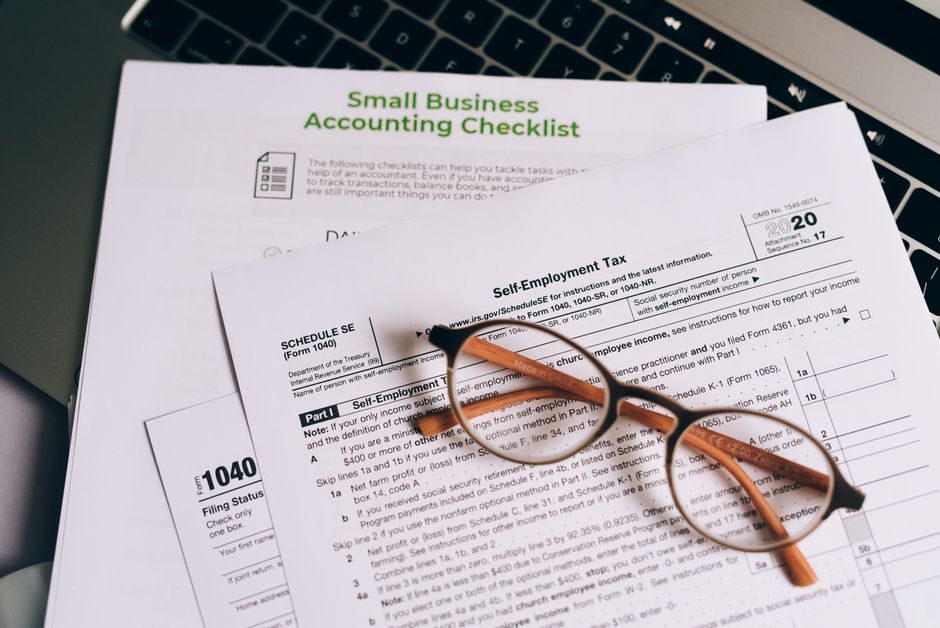
Most small business owners focus on tax deductions when they think about lowering their tax bill. And deductions are great. But there is another category that most business owners overlook entirely: tax credits. Unlike deductions, which reduce your taxable income, tax credits reduce the actual dollar amount you owe the IRS. Dollar for dollar. That makes them one of the most powerful tools available to small business owners who know how to use them.
The problem is that most small business owners have never been taught what tax credits exist, how to qualify for them, or how to claim them. That is money left on the table every single year. This guide breaks down the most valuable tax credits available to small businesses, explains who qualifies, and shows you how to start capturing them.
Tax Credits vs. Tax Deductions: Why the Difference Matters
Before diving into the specific credits, it helps to understand why they are so powerful compared to deductions. A deduction reduces your taxable income. If you are in the 24 percent tax bracket and you claim a $1,000 deduction, you save $240. That is good. But a $1,000 tax credit reduces your actual tax bill by $1,000. Every time. That is four times more valuable than the same deduction at that tax rate.
There are two types of tax credits: refundable and non-refundable. Refundable credits can reduce your tax bill below zero, meaning the IRS sends you a check for the remainder. Non-refundable credits can only reduce your tax liability to zero. Knowing which type you are dealing with helps you plan strategically.
The Work Opportunity Tax Credit (WOTC)
One of the most widely available credits for small businesses is the Work Opportunity Tax Credit, or WOTC. This credit rewards employers who hire workers from certain groups that typically face barriers to employment. Qualifying groups include veterans, long-term unemployed workers, people receiving certain government assistance, and individuals with felony convictions, among others.
The credit is worth between $1,200 and $9,600 per qualifying employee, depending on the category and the number of hours worked. To claim it, you must file IRS Form 8850 with your state workforce agency within 28 days of the employee starting. The process is straightforward once you know about it, and many small business owners who regularly hire in these categories leave significant credits unclaimed simply because they never asked.
The Small Business Health Care Tax Credit
If you provide health insurance to your employees through the Small Business Health Options Program (SHOP) marketplace, you may qualify for a credit worth up to 50 percent of the premiums you pay. To qualify, you need to have fewer than 25 full-time equivalent employees, pay average wages below a certain threshold (adjusted annually for inflation), and pay at least 50 percent of your employees’ health insurance premiums.
This credit is designed specifically to help small businesses compete with larger employers when it comes to offering benefits. If you are already paying for employee health coverage, you need to make sure you are claiming this. Use IRS Form 8941 to calculate the credit and attach it to your business return.
The Research and Development (R&D) Tax Credit
The R&D credit is not just for tech companies and pharmaceutical giants. Small businesses in many industries can qualify, including manufacturers, software developers, engineering firms, food and beverage producers, and even some service businesses that invest in developing new processes or improving existing ones.
The credit is based on a percentage of qualifying research expenses, which can include wages paid to employees doing qualified research, supplies used in research activities, and contract research costs. Startups and small businesses can even use the R&D credit to offset payroll taxes if they have little or no income tax liability, which makes it particularly valuable in early-stage businesses. Consult with a tax professional to determine whether your activities qualify under the IRS’s four-part test.
The Disabled Access Credit
If your business spent money making your facilities or services more accessible to customers or employees with disabilities, you may qualify for the Disabled Access Credit. This applies to eligible small businesses with gross receipts of $1 million or less (or no more than 30 full-time employees) that pay for ADA compliance improvements.
The credit covers 50 percent of eligible access expenditures between $250 and $10,250, for a maximum credit of $5,000 per year. Qualifying expenses include removing barriers, providing sign language interpreters, purchasing adaptive equipment, and making printed materials available in accessible formats. Use IRS Form 8826 to claim it.
Retirement Plan Startup Credits
The SECURE 2.0 Act significantly expanded tax credits for small businesses that set up qualified retirement plans for their employees. If you are a new employer starting a SEP IRA, SIMPLE IRA, or 401(k), you may be eligible for a credit of up to 100 percent of startup costs (capped at $5,000 per year) for the first three years of the plan.
There is also an additional credit for employers who add an auto-enrollment feature to their retirement plans, worth an extra $500 per year for three years. These credits are stacked, meaning a qualifying employer could capture as much as $16,500 in retirement plan credits over the first three years. If you have been putting off setting up a retirement plan for your team, this is a compelling financial reason to do it now. Learn how to set up a retirement plan for your small business and start capturing these credits before you file your next return.
The Energy Efficiency Tax Credit
The Inflation Reduction Act expanded energy-related tax credits substantially for small businesses. If your business purchased energy-efficient equipment, installed solar panels, or made energy improvements to a commercial building, you may qualify for credits under Section 48 (Investment Tax Credit) or the new elective pay provisions that allow some businesses to receive these credits as direct payments from the IRS.
Energy credits can be worth 30 percent or more of qualifying investments. Even if you are not currently thinking about solar or energy upgrades, it is worth running the numbers. What might have seemed like a borderline investment can look very different with a 30 percent federal credit factored in.
Employer-Provided Childcare Credit
If your business helps employees with childcare by providing a childcare facility, contracting with a licensed daycare provider, or offering childcare resource and referral services, you can claim the Employer-Provided Childcare Credit. The credit equals 25 percent of qualified childcare facility expenditures plus 10 percent of qualified childcare resource and referral expenditures, with a cap of $150,000 per year.
This credit has gained more attention recently as businesses compete harder for employees with families. Use IRS Form 8882 to calculate and claim it.
How to Make Sure You Are Not Missing Credits
The biggest obstacle to claiming tax credits is not qualification, it is awareness. Most small business owners simply do not know what is available. Here is a practical approach to making sure you capture every credit you are entitled to.
First, talk to a qualified CPA or tax advisor who specializes in small businesses. General-purpose tax preparers may not be familiar with every credit available to your specific industry or business type. A specialist will actively look for credits, not just process your numbers. Choosing the right business accountant is one of the highest-leverage decisions you can make for your bottom line.
Second, keep meticulous records throughout the year. Tax credits almost always require documentation, and assembling it at tax time is harder than keeping it organized as you go. If you are pursuing the R&D credit, document research activities in real time. If you are hiring for WOTC, track the required forms from day one of employment.
Third, check your state credits in addition to federal ones. Most states offer additional business tax credits for things like job creation, capital investment, training, and industry-specific activities. Your state’s department of revenue website is a good starting point, and your accountant should know what is available locally.
Fourth, do not forget about carry-forward rules. Many tax credits can be carried forward to future tax years if you cannot use the full amount in the current year. That means a credit you earned this year may still reduce your tax bill two or three years from now. Understanding carry-forward rules requires planning, which is another reason a proactive accountant pays for themselves many times over.
Staying Ahead of Estimated Taxes
One often-overlooked benefit of capturing tax credits is their impact on your quarterly estimated tax payments. When you reduce your expected annual tax liability through credits, you may be able to adjust your estimated payments downward without risking underpayment penalties. That frees up cash during the year rather than waiting for a refund after you file. Understanding how quarterly estimated taxes work alongside your credits gives you far more control over your business cash flow.
The IRS business tax credits guide publishes updated guidance on all available credits each year, and it is worth reviewing the business credit section before every tax season. The tax code changes more often than most people realize, and new credits are created regularly.
The Bottom Line
Tax credits are one of the most direct ways to put money back in your business without selling more or cutting expenses. They are available to businesses across virtually every industry and size range. The catch is that they require you to know they exist, track the right information, and claim them properly. Most small business owners never do any of those three things, which means their competitors who do are operating with a significant financial advantage.
Start with the credits most relevant to your situation. If you hire regularly, look at WOTC. If you offer health coverage, check the small business health care credit. If you are planning to add a retirement plan, run the SECURE 2.0 numbers. Then build a system for capturing documentation throughout the year so you never scramble at tax time again.
The IRS is not going to remind you to claim these credits. That is your job, or more accurately, it is your accountant’s job when you give them the right information to work with. Get proactive about this and you will consistently pay less than your unprepared competition while keeping more of what your business earns.
Want more plain-English guides to running a smarter, more profitable small business? Join Hustler’s Library for free and get the strategies, frameworks, and tools that serious business owners use to stay ahead.
Ready to Know Where You Stand?
The Business Journey dashboard maps your exact position across all 13 stages. Track your progress, unlock resources for each step, and build with a framework used by thousands of founders at Hustler's Library.

No credit card required · Takes 3 minutes · Personalized to your stage