There is a common misconception that influencer marketing is only for brands with big budgets and bigger egos. The idea of paying a celebrity with millions of followers to hold up your product sounds appealing on paper. In practice, it is expensive, hard to measure, and often completely disconnected from the people who would actually buy what you sell.
Micro-influencers change that equation entirely. And for small business owners, they may be the most cost-effective marketing channel available right now.
What Is a Micro-Influencer?
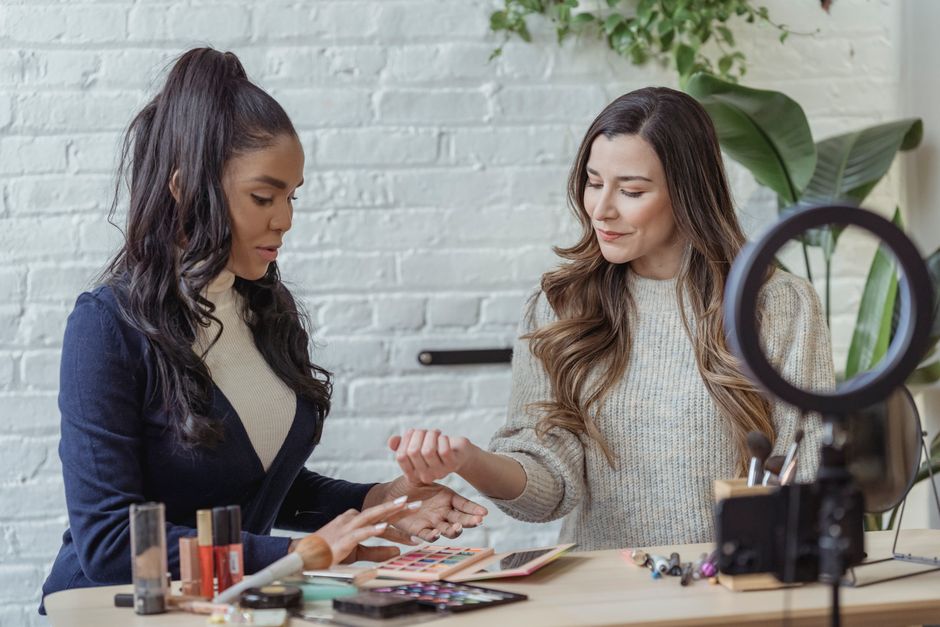
A micro-influencer is a content creator with a relatively small but highly engaged following, typically between 1,000 and 100,000 followers on platforms like Instagram, TikTok, YouTube, or Pinterest. They are not household names. They are personal trainers, home cooks, local photographers, parenting bloggers, fitness coaches, and small business owners themselves who have built a trusted community around a specific topic or niche.
The numbers tell an interesting story. A creator with 500,000 followers might get a 1% engagement rate on their posts. A micro-influencer with 10,000 followers in the same niche often sees engagement rates of 5 to 8 percent or higher. That means the smaller creator, in many cases, drives more real interaction per post than someone with 50 times the audience.
The reason comes down to trust. Micro-influencers tend to have genuine relationships with their followers. When someone with 8,000 followers says they love a product, their audience believes it. When a celebrity with 2 million followers says the same thing, everyone knows they got paid to say it.
Why Micro-Influencers Work for Small Businesses
For small business owners, the appeal is practical as much as strategic.
The cost is manageable. Macro-influencers can charge thousands of dollars per post. Many micro-influencers work for free product, a small flat fee of $50 to $300, or a commission arrangement. Some will partner with you in exchange for something as simple as a meaningful discount or an exclusive experience.
The audience is targeted. A food truck in Austin does not need to reach everyone in America. They need to reach food lovers in Austin. A micro-influencer who posts about local restaurants and has 6,000 engaged local followers is worth far more than a national food influencer with 400,000 followers spread across the country.
The content feels authentic. Micro-influencers typically create their own content in their own voice. The result is an endorsement that reads like a genuine recommendation from a friend, not an advertisement.
The relationship is easier to manage. Working with a micro-influencer is a direct collaboration. You can communicate clearly, give them context about your brand, and course-correct quickly if something is off.
How to Find the Right Micro-Influencers for Your Business
Finding the right partners is where most small business owners get stuck. Here is a practical approach that does not require expensive influencer marketing platforms.
Start With Your Own Customers
Your most passionate customers are already your best potential micro-influencers. Look at who is tagging your business on social media, leaving glowing reviews, or sharing your products without being asked. These people already love what you do and have an authentic story to tell. Reach out directly, thank them, and ask if they would be interested in a partnership.
Search Hashtags and Location Tags
On Instagram and TikTok, search hashtags and location tags related to your industry and your city. Someone posting regularly under #Austinfoodie or #DallasFitness with a few thousand followers and high engagement is a live prospect. Check their content to make sure it is consistent, genuine, and aligned with your brand values before you reach out.
Use Free Discovery Tools
Tools like Modash, Heepsy, and Upfluence offer free tiers or trial access that let you search influencers by niche, location, follower count, and engagement rate. Even a basic search can surface dozens of relevant creators in minutes. Instagram itself has a Creator Marketplace that brands can use to connect directly with creators.
Look in Niche Communities
Facebook Groups, Reddit communities, and niche forums are full of people who have built authority in very specific spaces. A moderator of a 15,000-member Facebook group for local home cooks is an influencer in every meaningful sense, even if their Instagram has fewer followers.
What to Look for Before You Reach Out
Not every micro-influencer is a good fit. Before you send a single message, evaluate three things:
- Engagement quality: Are the comments on their posts genuine? Real engagement looks like specific questions, personal stories, and meaningful replies. Generic comments like “Great post!” or emoji-only reactions can signal low-quality or purchased engagement.
- Audience alignment: Look at who is following them and engaging. Does that audience match your customer profile? A fitness influencer with mostly teenage followers is not the right partner for a premium supplement brand targeting people over 35.
- Content consistency: Do they post regularly? Is the content professional and on-brand? An influencer who posts sporadically or whose feed looks inconsistent may not deliver the reliable exposure you are looking for.
How to Approach a Micro-Influencer
Cold outreach to influencers is an art. A generic copy-paste pitch almost always gets ignored. Here is how to stand out.
Be specific. Mention something specific about their content that you genuinely appreciated. Show that you have actually looked at their work, not just their follower count.
Be clear about what you are offering. Free product? A flat fee? A commission on sales? Ambiguous pitches waste everyone’s time. State your offer upfront.
Be honest about your expectations. How many posts? What platforms? What kind of content? What timeline? The clearer you are, the more likely you are to get a serious response.
Give them creative freedom. The biggest mistake brands make is trying to script everything. Micro-influencers know their audience. Tell them what you want to communicate, then let them say it in their own voice. Overly scripted content performs poorly because audiences sense it immediately.
If you need help drafting outreach templates or managing creator communications, platforms like Fiverr offer freelancers who specialize in influencer outreach and partnership management at reasonable rates.
Structuring the Partnership
Once a creator is interested, formalize the arrangement in writing even if it is just a simple email confirmation. Cover the following:
- Deliverables: How many posts, stories, or videos? On which platforms?
- Timeline: When does the content go live? Are there deadlines around a product launch or seasonal promotion?
- Compensation: Product, payment, commission, or a combination?
- Content approval: Will you review content before it posts? Many micro-influencers prefer to post without prior approval to maintain their authentic voice. Consider a light-touch review process rather than a full script.
- Disclosure: Federal Trade Commission guidelines require influencers to disclose paid partnerships. Make sure your partners understand they need to use #ad, #sponsored, or similar disclosures. Proper disclosure protects both of you. You can review the FTC’s endorsement guidelines to understand the requirements.
Measuring Results
Before any campaign, define what success looks like. Possible metrics depending on your goals:
- Reach and impressions: How many people saw the content?
- Engagement: Likes, comments, shares, saves
- Traffic: Website visits from the influencer’s link or promo code
- Conversions: Actual sales or leads generated, tracked via a unique discount code or UTM link
- Follower growth: New followers to your own social accounts during the campaign window
Use a unique promo code or custom link for each influencer partnership. This makes attribution clear and gives you hard data on which partnerships actually drove results versus which ones just looked good on paper.
After the campaign ends, review what worked. High engagement but low conversions might signal a messaging problem or an audience mismatch. High conversions but low engagement could mean your offer is strong but the content format could be better. Use what you learn to improve the next round.
Building Long-Term Relationships
One-off posts can work, but the real power of micro-influencer marketing comes from ongoing relationships. A creator who has worked with your brand multiple times becomes a genuine advocate. Their audience recognizes your product as something this person consistently stands behind, not just a one-time sponsorship.
Consider building a small roster of three to five micro-influencers you work with regularly rather than constantly chasing new ones. Treat them well: pay on time, give them creative input on campaigns, and recognize their contributions. The best partnerships feel collaborative, not transactional.
Pairing your micro-influencer strategy with a strong organic social presence amplifies the results. Every influencer mention drives new eyes to your profile, and what those people find there either confirms the endorsement or undermines it. Our guide on how to use Instagram to grow your small business covers how to make sure your profile is ready to convert that traffic.
You can also use micro-influencer content in your own marketing. User-generated content from influencers can be repurposed as website testimonials, social ads, and email graphics, often with the creator’s permission. This extends the shelf life of every dollar you spend on partnerships.
Common Mistakes to Avoid
- Chasing follower count instead of fit. A 50,000-follower influencer in the wrong niche will underperform a 5,000-follower influencer who speaks directly to your customer.
- Skipping the brief. Even with creative freedom, influencers need context: who your customer is, what makes your product different, and what you want viewers to do.
- Expecting overnight results. Influencer marketing builds awareness and trust over time. Do not judge a campaign by the first 48 hours.
- Ignoring the FTC rules. Non-disclosure is a legal liability for both you and the creator. Build disclosure requirements into every agreement from the start.
- Forgetting your own platforms. Influencer traffic lands somewhere. Make sure your website, social profiles, and offers are ready to receive it.
Putting It All Together
Micro-influencer marketing is not a magic button. But for small business owners who are willing to do the groundwork, it can deliver a return on investment that outperforms almost any other paid marketing channel at the same budget level.
Start small. Identify five to ten relevant micro-influencers in your niche. Reach out to three of them with a genuine, specific pitch. Run a trial campaign with whoever responds, track the results carefully, and build from there. You do not need an agency or a platform subscription to get started. You need a product worth talking about, the initiative to find the right people to talk about it, and the patience to build relationships that pay off over time.
If you want to think bigger about how this fits into your overall brand strategy, our guide on how to build a personal brand as a business owner explores how authentic positioning amplifies every marketing effort you make, including influencer campaigns.
And if you want to layer in additional low-cost engagement tactics alongside influencer partnerships, see our guide on how to use contests and giveaways to grow your small business. The two strategies work together naturally: a micro-influencer hosting a giveaway on your behalf can drive significant new audience exposure at minimal cost.
Want more strategies to grow your small business without a big marketing budget? Join thousands of entrepreneurs at Hustler’s Library for free access to guides, tools, and a community of business owners who are building alongside you.
Ready to Know Where You Stand?
The Business Journey dashboard maps your exact position across all 13 stages. Track your progress, unlock resources for each step, and build with a framework used by thousands of founders at Hustler's Library.

No credit card required · Takes 3 minutes · Personalized to your stage