You’ve probably noticed it yourself: airline tickets cost more on Friday afternoons than Tuesday mornings. Hotel rates jump during a big local event. Rideshares surge when it’s raining. That’s dynamic pricing in action, and it’s not just for billion-dollar tech companies. Small business owners can use the same strategy to earn more without working harder or finding new customers.
This guide will explain what dynamic pricing is, when it works, and exactly how to implement it in a practical, non-complicated way.
What Is Dynamic Pricing?
Dynamic pricing means adjusting what you charge based on demand, timing, competition, or other market signals rather than keeping a fixed price indefinitely. Instead of setting your price once and leaving it there, you treat pricing as an ongoing lever you can pull.
This doesn’t mean gouging customers or being unpredictable. Done well, dynamic pricing is transparent, logical, and often welcomed by buyers who understand that peak times cost more. The key is to have a system and a rationale, not just random price changes.
Why Small Businesses Leave Money on the Table With Flat Pricing
Most small business owners set their prices once, maybe revisit them once a year, and leave it there. The problem with that approach:
- You undercharge during peak demand. If your schedule is full three weeks out every December, you’re almost certainly priced too low for that season.
- You leave capacity idle during slow periods. A discount during a slow Tuesday could fill a slot that otherwise earns nothing.
- You treat all customers the same. A customer booking two days in advance and one booking six weeks out have different levels of urgency, which is worth pricing differently.
Static pricing is simple, but it’s not optimal. Dynamic pricing closes that gap.
Types of Dynamic Pricing That Work for Small Businesses
1. Peak vs. Off-Peak Pricing
This is the most common and accessible form. Charge more when demand is high, less when it’s low. A wedding photographer who charges more for June than November is doing this. A restaurant that offers a lower-priced “early bird” dinner before 6 PM is doing this. If your business has predictable busy and slow cycles, you can start here.
2. Availability-Based Pricing
Price increases as capacity fills. This works especially well for service businesses, events, and anything time-bound. If you only have ten appointment slots per week and eight are booked, the remaining two can be priced higher because scarcity has real value. Software platforms like Acuity Scheduling and Calendly allow you to set this up with different rate tiers.
3. Advance Booking Discounts (and Last-Minute Premiums)
Reward early commitment with a lower rate, and charge a premium for last-minute access. This helps you forecast your pipeline while capturing more value from clients who need urgency. It also trains your customers to plan ahead, which reduces the chaos of last-minute scrambling on your end.
4. Competitive Pricing Adjustments
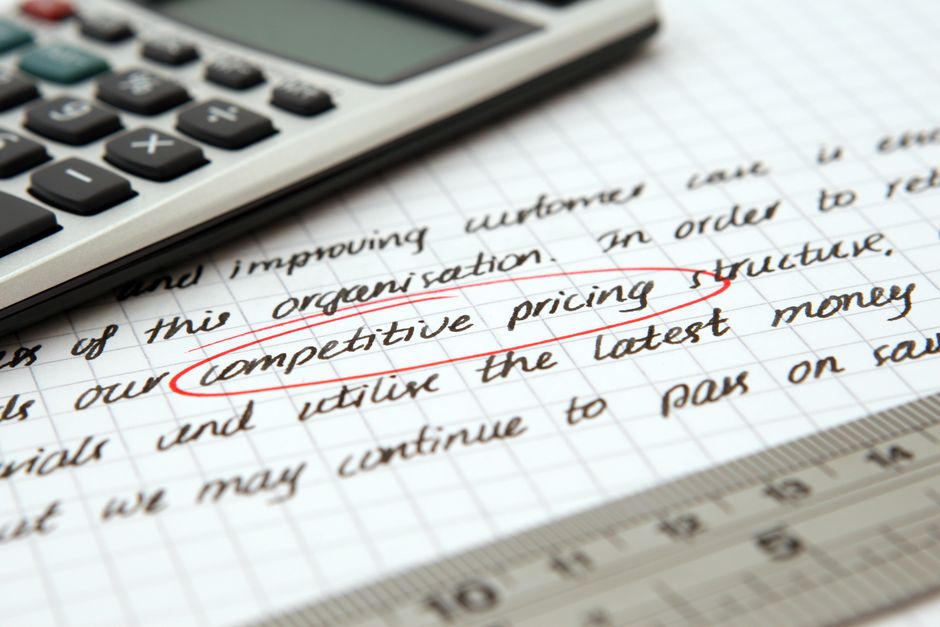
If a competitor raises or lowers their prices significantly, that’s a signal worth responding to. This doesn’t mean a race to the bottom; it means staying aware of where you sit in the market and making deliberate choices. A quarterly competitive review is usually enough for most small businesses.
5. Promotional Pricing With a Hard End Date
A limited-time discount is a form of dynamic pricing when it’s strategic rather than habitual. The key word is hard end date. If your promotions never actually end, they become your real price and you lose the dynamic advantage entirely.
How to Build a Simple Dynamic Pricing System
You don’t need software or a data team to start. Here’s a framework any small business owner can follow:
Step 1: Map your demand patterns. Look at the past 12 months and identify your consistently busy periods and your consistently slow ones. Weeks, months, days of the week, even times of day. Be specific. Most owners already know this intuitively; you’re just making it explicit.
Step 2: Set a base price and a peak price. Your base price is what you charge during normal or slow periods. Your peak price is what you charge when demand is reliably high. The gap between the two depends on your market. A 10 to 20 percent differential is common for service businesses. Hospitality and events can go higher.
Step 3: Communicate it clearly. Dynamic pricing only frustrates customers when it feels arbitrary. If you post your rates openly (“peak season rates apply June through August”), customers know what to expect and often respect it. Transparency is your protection against backlash.
Step 4: Review and adjust quarterly. Check whether your peak pricing is filling capacity without resistance and whether your off-peak pricing is actually moving volume. Adjust from there. This doesn’t require sophisticated analysis, just a habit of looking at the numbers.
Step 5: Keep it simple at first. Start with one variable. Peak versus off-peak. Or early booking versus last-minute. Adding too many pricing tiers too quickly creates confusion and slows down sales. Complexity is the enemy of execution.
Industries Where This Works Especially Well
Dynamic pricing isn’t right for every business model, but it fits well in:
- Service businesses with appointment slots (photography, consulting, coaching, salons, cleaning services)
- Event-based businesses (venues, catering, entertainment)
- Seasonal product businesses (landscaping, holiday gifts, tax prep)
- E-commerce (tools like Prisync or even manual monitoring allow you to respond to competitor pricing changes)
- Hospitality (short-term rentals, food and beverage)
If you have inventory or time that expires unsold, dynamic pricing is worth exploring. A booked slot tomorrow is worth more than an empty one. A product sold at 80 percent margin beats a product that never sells.
Common Mistakes to Avoid
Changing prices without notice. Loyal customers who feel surprised by a price jump often feel punished for their loyalty. Give advance notice when seasonal rates change, or grandfather existing clients at their current rate for an agreed period.
Over-discounting during slow periods. Deep discounts can attract the wrong customers, train buyers to wait for sales, and signal low quality. When you use dynamic pricing for slow periods, focus on modest incentives: 10 to 15 percent, not 40 to 50 percent. You can also explore pairing discounts with added value rather than price cuts alone.
Failing to track results. If you’re not measuring whether your pricing adjustments are actually affecting revenue and volume, you’re guessing. Even a simple spreadsheet tracking appointments or sales by week versus your pricing tier will tell you what’s working. This is also a good habit to connect with your broader discounting strategy so you’re not accidentally undermining your pricing power.
How Dynamic Pricing Connects to Your Broader Revenue Strategy
Pricing doesn’t live in a vacuum. The way you price connects directly to how customers perceive your value. Higher prices during peak periods reinforce the idea that your time and product are in demand. Lower off-peak rates create an entry point for new customers who might become long-term buyers at full rate.
If you’re trying to position yourself as a premium option in your market, dynamic pricing can actually support that. It signals that your capacity is limited and your work is sought after. That’s a very different story than the business that’s always running a sale. For more on the premium positioning angle, see our guide on using exclusivity to charge more and attract better clients.
It’s also worth noting that dynamic pricing works best when your costs are relatively fixed. If your costs go up during peak periods (more staff, more supplies), you need to factor that into your math to make sure the margin math still holds. The SBA has solid resources on pricing strategy for small businesses that can help you structure your approach: SBA Pricing Your Products and Services.
A Quick Note on Pricing Psychology
Customers respond better to dynamic pricing when the reason behind it is clear. “Peak season rates” makes sense. “Holiday weekend premium” makes sense. “Limited availability” makes sense. What doesn’t land well is a price that looks random or different from what a neighbor paid last week without explanation.
Build the narrative into the structure. When your pricing page explains why rates vary, you’re not hiding anything, you’re being a professional who manages their business with intention. That’s a message most quality customers respect.
Start Small, Iterate Often
Dynamic pricing is not a set-it-and-forget-it system. It requires observation, adjustment, and discipline. But it’s also one of the highest-leverage things a small business owner can do to grow revenue without adding overhead. You’re not working more hours. You’re just charging what the market will bear at the right moment.
Start with one pricing variable. Track it for 90 days. See what happens. Most business owners who try this are surprised by how much revenue they were leaving on the table by keeping everything flat.
Ready to build a smarter, more strategic business? Join the Hustler’s Library community for free and get access to tools, guides, and a network of entrepreneurs who are doing exactly that.
Ready to Know Where You Stand?
The Business Journey dashboard maps your exact position across all 13 stages. Track your progress, unlock resources for each step, and build with a framework used by thousands of founders at Hustler's Library.

No credit card required · Takes 3 minutes · Personalized to your stage