You already know that keeping a customer costs less than finding a new one. But knowing it and acting on it are two different things. Customer appreciation events are one of the most underused tools in a small business owner’s toolkit. Done right, they turn good customers into loyal advocates, create word-of-mouth buzz, and give you a reason to reconnect with people who have already bought from you.
This guide breaks down exactly how to plan, host, and follow up on customer appreciation events, whether you run a service business, retail shop, or professional practice.
Why Customer Appreciation Events Work
People do business with people they like and trust. An appreciation event puts a human face on your brand in a way that no email or social media post can match. When a customer walks into your space, shakes your hand, eats your food, and leaves feeling valued, they remember that. And more importantly, they tell others.
There is also a practical financial argument. Research consistently shows that a 5% increase in customer retention can increase profits by 25% to 95%. An event that costs you a few hundred dollars but brings in even one or two repeat customers or referrals more than pays for itself. The ROI math is straightforward once you know your average customer lifetime value.
That said, not all events are worth hosting. The goal is not to throw a party for the sake of it. The goal is to create a meaningful experience that strengthens relationships and generates genuine goodwill.
Step 1: Define Your Goal Before You Book a Venue
Every good event starts with a clear objective. Ask yourself what success looks like. Are you trying to re-engage lapsed customers? Thank your top 20% of spenders? Generate referrals? Introduce a new product or service? Launch a new location?
Your goal shapes everything: the guest list, the format, the venue, the budget, and how you follow up afterward. A wine-and-cheese evening for your top 30 clients looks very different from an open-house appreciation day for your entire customer base.
Common event goals for small businesses include:
- Deepening relationships with high-value existing customers
- Re-engaging customers who have not purchased in 6 to 12 months
- Generating referrals by putting your happiest customers in a room together
- Celebrating a milestone (anniversary, expansion, award) in a way that involves your community
- Introducing a new offering to a warm, receptive audience before a full public launch
Step 2: Build the Right Guest List
Not every customer needs to be on every list. Segment your customer base and match the invitation to the event type.
For intimate, high-touch events, focus on your top-tier customers: the ones who spend the most, refer the most, or have been with you the longest. These people deserve white-glove treatment, and a smaller guest count lets you actually spend time with each person.
For broader appreciation events, open the invite wider. Include everyone who has purchased in the past 12 months and let them bring a guest. That plus-one policy is one of the easiest organic referral tools you have. When a happy customer brings a friend, that friend arrives already predisposed to trust you.
If you are just getting started with segmentation, a good rule of thumb is to apply the customer milestone framework to identify who your most engaged customers are before you send a single invitation.
Step 3: Choose the Right Format
The format of your event should match your brand, your budget, and your customers’ preferences. There is no single right answer, but here are the most effective formats for small businesses.
Open House or In-Store Event
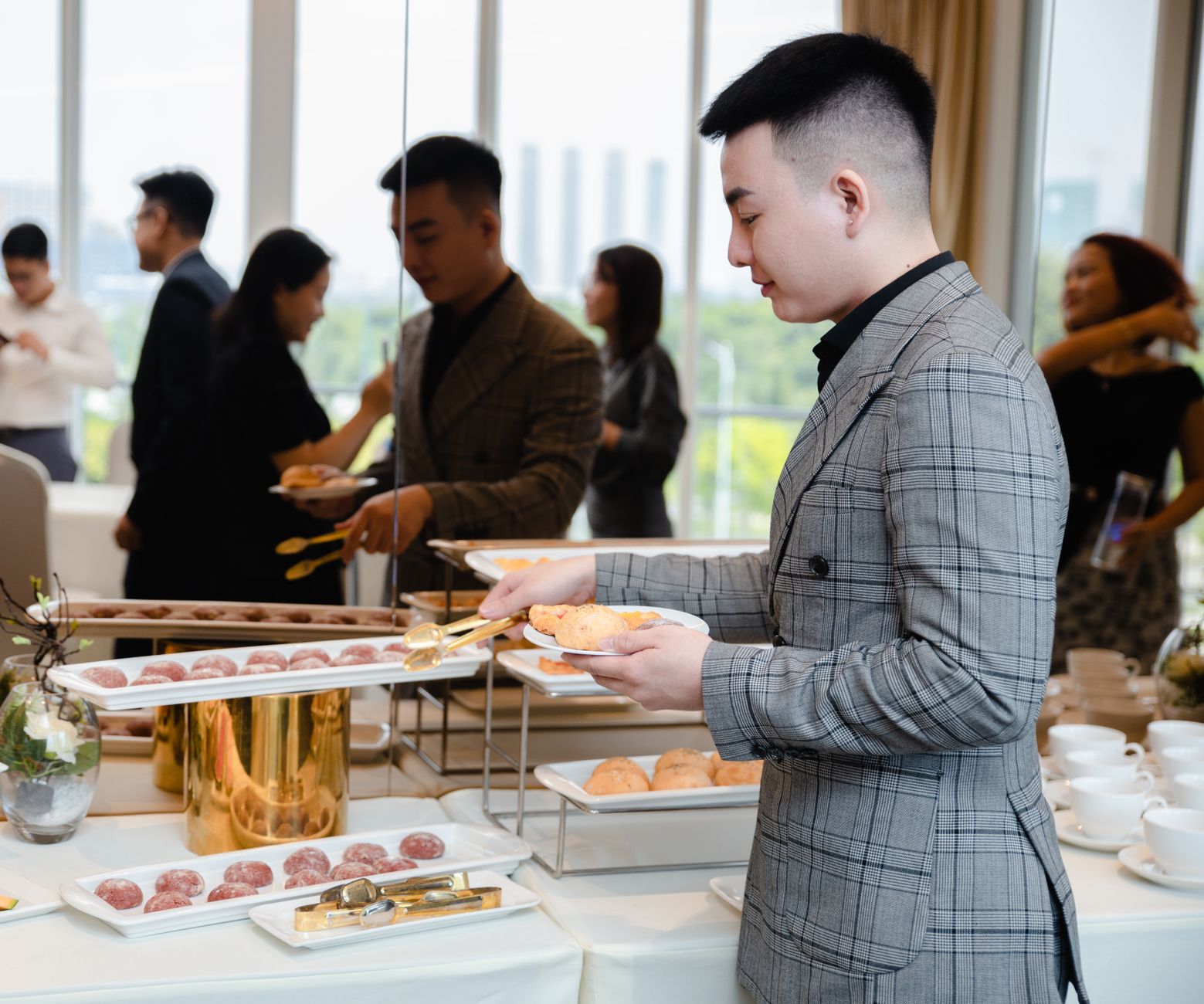
Works well for retail, salons, gyms, restaurants, and service businesses with a physical space. Set up light food and drinks, offer a small exclusive discount for attendees, and let people move freely. These are low-cost, easy to execute, and drive foot traffic.
VIP Client Dinner or Reception
Reserve this for your top customers. Rent a private dining room or host at your location after hours. Keep the guest count small (10 to 30 people) so conversations are meaningful. Skip the hard sell. The event itself is the message.
Educational Workshop or Seminar
Teach your customers something valuable. A financial advisor might host a tax-planning workshop. A marketing agency might run a social media strategy session. A contractor might walk homeowners through seasonal maintenance tips. You deliver real value, position yourself as an expert, and create a natural setting for conversation and referrals.
Community or Charitable Event
Host a drive, sponsor a local charity event, or organize a volunteer day. This works especially well if community involvement is core to your brand. Customers who share your values will feel more connected to your business.
Virtual Appreciation Event
If your customer base is geographically spread out, a virtual event can work well. Host a live Q&A, a behind-the-scenes tour, an exclusive webinar, or an online celebration. The barrier to attendance is lower, and the production cost can be minimal.
Step 4: Set a Budget and Stick to It
You do not need to spend a fortune to make customers feel valued. Thoughtfulness beats extravagance every time. A handwritten note inside a small gift bag often means more to a customer than a lavish buffet they attended as one of 300 people.
A reasonable budget framework for small businesses:
- Intimate VIP event (10 to 20 people): $500 to $2,000
- Mid-size open house (50 to 100 people): $1,000 to $5,000
- Community or large-scale event: $3,000 to $10,000+
Keep your costs anchored to your customer lifetime value. If your average customer spends $1,200 per year and you retain them for three years, a $150 investment in making them feel seen is a smart allocation. If you are thinking carefully about how your spending maps to outcomes, the opportunity cost framework can help you evaluate whether event spending is the highest-return use of your marketing dollars.
Step 5: Plan the Experience, Not Just the Logistics
The best appreciation events feel effortless for guests and intentional for hosts. That means thinking through every touchpoint: the invitation, arrival experience, food and drinks, activities or entertainment, any gifts or giveaways, and the farewell.
A few things that make a big difference:
- Personalized invitations: A handwritten note or a personalized email outperforms a generic flyer. Use the customer’s name and reference something specific about your relationship if you can.
- A warm welcome: Greet guests personally at the door. If you have staff, brief them on who the VIP guests are so everyone gets attentive service.
- Something to take home: Even a small branded gift or a gift card creates a positive lasting impression. The SBA recommends budgeting for customer retention activities as part of your overall marketing spend.
- No hard selling: If customers feel like they were invited to an appreciation event but are actually being pitched to, they will feel deceived. Any business conversation should feel natural and customer-initiated.
Step 6: Promote the Event (Without Over-Promoting)
For an intimate event, personal outreach works best. A direct call or text from you carries far more weight than a mass email blast. For larger events, use a combination of email, social media, and personal outreach.
Send invitations three to four weeks in advance for larger events, and one to two weeks out for smaller gatherings. Send a reminder three days before and a day-of nudge if appropriate. Keep the messaging warm, not transactional.
When promoting on social media, consider building some anticipation with a teaser post a week before. After the event, share photos (with permission) to extend the reach and give attendees something to share.
Step 7: Follow Up Within 48 Hours
The follow-up is where most small business owners drop the ball, and it is where the real ROI lives. Within 48 hours of your event, reach out to every attendee personally. A short, genuine message saying you were glad they came and that you appreciate their support goes a long way.
This is also the right time to ask for a review, introduce someone to a new offering, or request a referral, if it feels natural. Do not be mechanical about it. Read the room. Some customers will be ready to refer the next day. Others need more time. The goal of the follow-up is to keep the relationship warm, not to immediately monetize the goodwill you just built.
Track who attended, what they responded to, and what conversations came up. This feeds directly into your customer relationship management system and helps you plan future events that are even more targeted and effective. If you do not already have a strong process for managing customer relationships, it may be worth reviewing how the flywheel effect can compound your retention and referral efforts over time.
Making Events a Repeatable System
The most successful small businesses do not treat customer appreciation as a one-time gesture. They build it into their annual calendar and execute it consistently. One VIP dinner per quarter. One community open house per year. One virtual event per season.
Over time, customers start anticipating these events. They talk about them. They bring friends. The event becomes part of your brand identity and a genuine competitive advantage that is very hard for a competitor to copy.
Start small. Pick a format that fits your current customer base and budget. Host one event, gather feedback, learn what worked, and improve. The goal is not perfection on the first try. The goal is building the habit.
Ready to Take Your Business Further?
Customer appreciation events are one piece of a larger retention and growth strategy. If you are ready to build out more of that strategy and connect with other business owners doing the same, join our free community at Hustler’s Library. You will get access to guides, tools, and a network of entrepreneurs who take growth seriously.
Ready to Know Where You Stand?
The Business Journey dashboard maps your exact position across all 13 stages. Track your progress, unlock resources for each step, and build with a framework used by thousands of founders at Hustler's Library.

No credit card required · Takes 3 minutes · Personalized to your stage