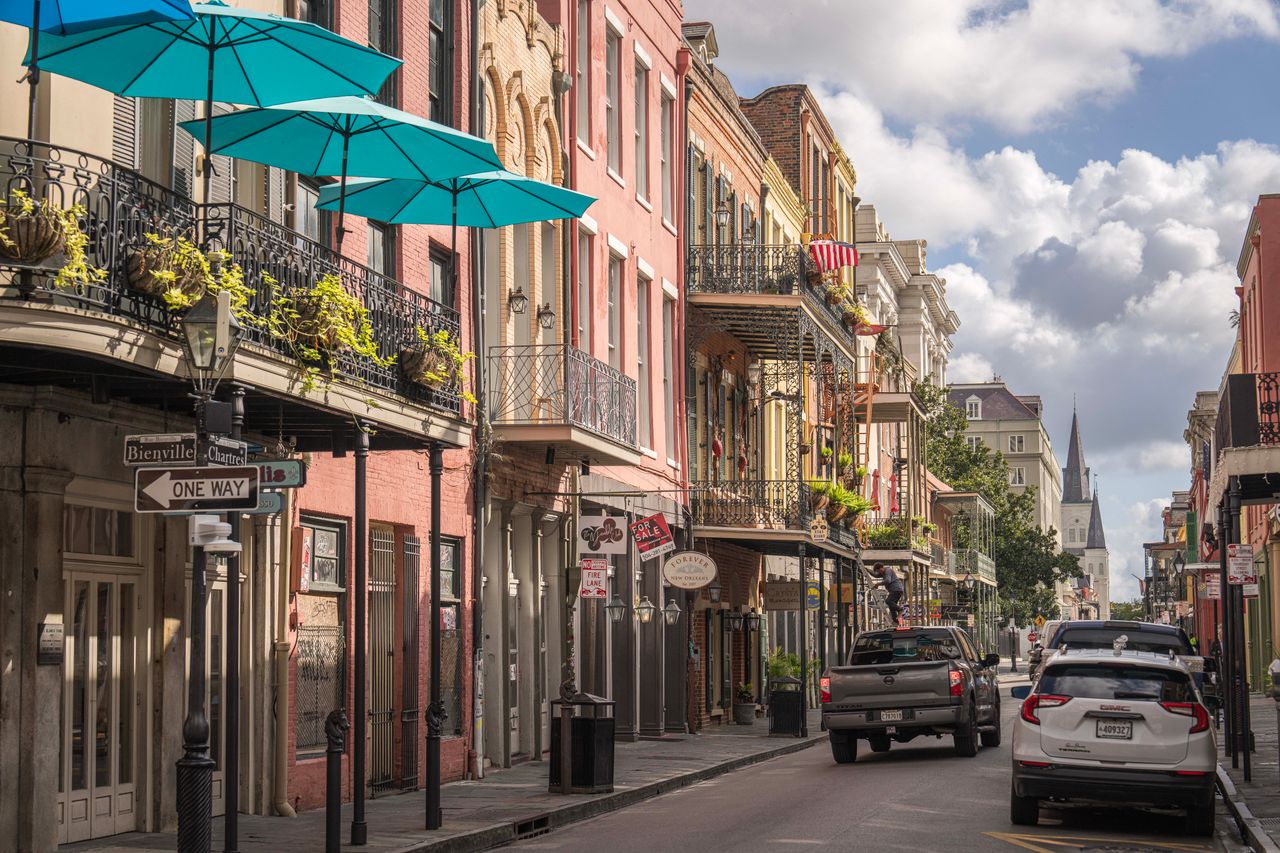
New Orleans is one of the most unique cities in America to start a business. The culture is electric, the food scene is world-famous, the tourism economy pumps billions of dollars through local businesses every year, and the community loyalty to homegrown brands is fierce. But building a business here also requires navigating a city with its own rhythms, regulations, and risk factors. This guide covers everything you need to know about starting a business in New Orleans, from registration and licensing to neighborhoods, funding, and marketing.
Why Start a Business in New Orleans?
The case for New Orleans as a business destination is compelling and multifaceted. The city’s cost of living is significantly lower than coastal startup hubs like Austin, Miami, or San Francisco. Commercial rents, while rising, remain accessible compared to most major markets. Louisiana offers a range of business incentives including the Quality Jobs Program, Enterprise Zone tax credits, and the Digital Interactive Media and Software Development Incentive that can substantially reduce your tax burden. GNO Inc. actively courts businesses to the region with competitive relocation and expansion support.
The talent pool is diversified across tourism and hospitality, healthcare, energy, academia, and a growing creative technology sector. Tulane University, Loyola University, Xavier University, and the University of New Orleans all produce graduates who choose to stay in the city. And the culture of New Orleans, its music, food, art, and community spirit, creates marketing opportunities and brand storytelling possibilities that are genuinely rare.
The New Orleans Business Climate
New Orleans has transformed significantly since Hurricane Katrina. The city attracted an influx of entrepreneurs, social entrepreneurs, and national investment in the decade following the storm, resulting in a more diverse and dynamic economy. Charter school reform brought national attention and education entrepreneurs. Tech companies attracted by Louisiana’s digital media incentives established presences downtown. The hospitality industry rebuilt stronger than before.
That said, the city still grapples with infrastructure challenges, high crime rates in certain areas, and the ongoing reality of hurricane and flood risk. Smart business owners factor these challenges into their planning. Flood insurance, business interruption coverage, and emergency preparedness plans are not optional extras for New Orleans businesses; they are baseline necessities.
The business regulatory environment is generally moderate. Louisiana is not the easiest state for business formation in the South, but neither is it the hardest. The geauxBIZ portal through the Louisiana Secretary of State streamlines registration, and the city of New Orleans has made efforts in recent years to improve its permitting and licensing processes through nola.gov.
Key Industries in New Orleans
Tourism and Hospitality
Tourism is the economic engine of New Orleans. The city drew over 19 million visitors in a recent pre-pandemic year, generating nearly $10 billion in spending. Hotels, restaurants, bars, tour operators, event venues, transportation services, retail, and entertainment businesses all benefit from this massive demand. If your business serves or supports the tourism industry in any way, New Orleans is an exceptional market.
Food and Beverage
New Orleans has one of the most celebrated food cultures in the world. The restaurant industry is simultaneously one of the most rewarding and most competitive business categories in the city. Diners here are sophisticated, loyal, and opinionated. The supply chain for local ingredients is robust, with Gulf seafood, Louisiana produce, and the Creole and Cajun culinary traditions providing a foundation for extraordinary cuisine. Food trucks, ghost kitchens, catering companies, specialty food producers, and full-service restaurants all have viable paths in this market.
Music and Entertainment
New Orleans is the birthplace of jazz and has been central to the development of blues, R&B, funk, and bounce music. The live music scene is not just cultural; it is economic. Music venues, recording studios, music production companies, music licensing businesses, instrument retailers, and production service companies all participate in this economy. The New Orleans Film Office actively supports film, television, and digital media production, attracting major studio projects that create significant local employment and vendor opportunities.
Oil, Gas, and Energy
Louisiana is the energy state of the South. New Orleans and the surrounding region serve as the business center for offshore oil and gas operations in the Gulf of Mexico. Engineering firms, environmental consultants, logistics companies, legal practices, financial services, and technology providers all serve the energy sector. The transition to renewable energy is also creating opportunities in offshore wind and solar development, where Louisiana’s port infrastructure and workforce are well-positioned.
Healthcare and Biosciences
The medical corridor anchored by Tulane Medical Center, Ochsner Health System, LSU Health Sciences Center, and University Medical Center has made healthcare one of New Orleans’ most significant economic sectors. Healthcare services, medical technology, home health, elder care, mental health services, and biotech research all have strong demand in this market. The New Orleans BioInnovation Center supports early-stage life sciences and healthcare technology companies.
Technology and Innovation
New Orleans has a growing technology sector concentrated in digital media, software development, cybersecurity, and data analytics. Louisiana’s digital media tax credit has attracted dozens of technology companies, and the startup ecosystem is genuinely active. The Idea Village, Launch Pad, and other accelerators support early-stage companies. While New Orleans is not Silicon Valley, it offers a high quality of life, lower operating costs, and a growing tech community that makes it increasingly competitive for technology startups.
How to Register Your Business in Louisiana
Registering a business in Louisiana follows a clear process through the Louisiana Secretary of State:
- Choose your business structure: LLC, corporation, partnership, or sole proprietorship. Most small businesses choose an LLC. Read our complete guide to forming an LLC in Louisiana.
- Check name availability: Search the SOS business registry to confirm your business name is unique.
- File your formation documents: Articles of Organization for an LLC ($100 filing fee) through the geauxBIZ portal.
- Appoint a registered agent: Required for all Louisiana business entities.
- Get an EIN: Apply free at irs.gov for your federal Employer Identification Number.
- Register for state taxes: Louisiana Department of Revenue for sales tax, income tax withholding if you have employees.
- Obtain local business licenses: See our detailed guide to New Orleans business licenses and permits.
Cost of Living and Doing Business in New Orleans
New Orleans offers a lower cost of doing business than most major American cities. Office rents in the CBD start around $18 to $25 per square foot per year for Class B space. Retail rents on commercial corridors like Magazine Street run $20 to $40 per square foot. Residential rents for employees are significantly lower than in cities like Austin, Miami, or Denver, which helps with compensation competitiveness.
However, New Orleans has elevated insurance costs due to its hurricane and flood exposure. Health insurance, commercial property, flood insurance, and workers’ compensation can add meaningfully to operating costs. Budget for these carefully. Working with a local insurance broker who understands the New Orleans market is essential.
Neighborhoods for Business
New Orleans has distinct commercial neighborhoods, each with different characteristics, customer demographics, and rent levels. The Central Business District (CBD) is the financial and professional services hub. The Warehouse District is the creative and tech economy. Magazine Street in Uptown is the premier independent retail corridor. Mid-City is an emerging neighborhood with strong community loyalty and more affordable rents. The French Quarter commands premium rents but offers unparalleled tourist traffic.
Read our in-depth breakdown of the best New Orleans neighborhoods for business to find the right location for your operation.
Finding Space, Funding, and Support
Once you have your entity and licenses sorted, the next set of decisions involves where to work, how to fund growth, and who to connect with:
- Workspace: Explore the best coworking spaces in New Orleans if you are not ready for a traditional lease.
- Funding: From SBA loans to CDFIs to Louisiana state incentives, see our guide to small business loans and funding in New Orleans.
- Real estate: If you need a physical location, our commercial real estate guide walks you through finding and leasing space in New Orleans.
- Networking: Build your professional network through New Orleans business networking events.
- Hiring: When you are ready to build a team, our hiring guide covers Louisiana employment law and local talent sourcing.
Professional Services You Need
Building a team of trusted advisors is one of the most important investments a New Orleans entrepreneur can make. The city has excellent professional services across every category:
- Legal: A Louisiana-licensed business attorney is essential given the civil code tradition and state-specific business laws.
- Accounting: The best New Orleans CPAs and accountants know Louisiana’s incentive programs and can save you substantially on taxes.
- Insurance: Business insurance in New Orleans requires specific attention to flood, hurricane, and business interruption coverage.
Marketing Your New Orleans Business
New Orleans is a storytelling city. The businesses that thrive here build authentic connections with the community, leverage the city’s culture and festivals, and create experiences worth talking about. From Google Business Profile optimization to festival sponsorships to Instagram content that captures the spirit of the city, read our guide to marketing your business in New Orleans for strategies that actually work.
Resources for New Orleans Entrepreneurs
Take advantage of the strong entrepreneurship support ecosystem in the region:
- GNO Inc. – Regional economic development and business attraction
- JEDCO – Jefferson Parish economic development with loans and incentives
- City of New Orleans Business Resources – Permits, licenses, and city business support
- Louisiana Secretary of State – Business registration and entity management
- The Idea Village – Entrepreneurship support, accelerator programs, and NOEW
- Propeller – Support for social impact entrepreneurs
- New Orleans Chamber of Commerce – Networking and advocacy for local businesses
- Louisiana SBDC Network – Free business consulting from Small Business Development Centers across the state
Ready to Know Where You Stand?
The Business Journey dashboard maps your exact position across all 13 stages. Track your progress, unlock resources for each step, and build with a framework used by thousands of founders at Hustler's Library.

No credit card required · Takes 3 minutes · Personalized to your stage