Where you set up shop in New Orleans matters as much as what you sell. The city is a patchwork of distinct neighborhoods, each with its own foot traffic patterns, customer demographics, rent ranges, and business culture. Whether you are opening a restaurant, a tech startup, a retail boutique, or a professional services firm, choosing the right neighborhood can make or break your launch. Here is a neighborhood-by-neighborhood look at where New Orleans businesses are thriving.
Central Business District (CBD)
The CBD is New Orleans’ primary commercial and financial hub. It anchors a dense concentration of office buildings, law firms, financial institutions, hotels, and government offices. Poydras Street is the spine of the district, lined with high-rise towers housing major employers and professional services firms. The CBD suits businesses in finance, legal services, consulting, insurance, and corporate support.
Rents in the CBD are among the highest in the city for Class A office space. However, the area has seen significant redevelopment in recent years, and co-working and flex office options have expanded access for smaller companies. Foot traffic is strong during business hours but drops significantly on weekends.
Warehouse Arts District
Adjacent to the CBD, the Warehouse District has evolved from its industrial roots into one of the most creative and economically dynamic parts of New Orleans. The neighborhood is home to art galleries, boutique hotels, tech startups, design firms, event venues, and an increasing number of food and beverage concepts. Julia Street is the center of the arts scene, while nearby Tchoupitoulas and Magazine Streets host retail and restaurant activity.
The Warehouse District attracts a younger demographic of workers, artists, and visitors, making it an excellent location for consumer brands, creative agencies, and hospitality businesses that want a trendy, walkable setting. Commercial real estate options range from converted warehouse lofts to ground-floor retail, and prices are competitive relative to CBD.
Mid-City
Mid-City has quietly become one of the most compelling neighborhoods for small business owners in New Orleans. Anchored by City Park, one of the largest urban parks in the country, Mid-City combines residential density with a growing commercial corridor along Carrollton Avenue and Canal Street. The neighborhood is diverse, politically engaged, and increasingly populated by young professionals and families.
Retail, food service, health and wellness, childcare, and professional services all do well in Mid-City. Rents are more affordable than the CBD or Warehouse District, and the neighborhood has strong community loyalty that rewards locally owned businesses. If you want to build a neighborhood brand, Mid-City is worth serious consideration.
Broadmoor and Uptown
Uptown stretches along Magazine Street from the Lower Garden District to Riverbend and is one of the most concentrated retail and dining corridors in the city. Magazine Street alone hosts hundreds of independent boutiques, restaurants, salons, galleries, and service businesses across several miles. Uptown customers tend to be higher-income homeowners and longtime residents who strongly prefer local businesses over chains.
Marigny and Bywater
The Marigny and Bywater neighborhoods east of the French Quarter have become the epicenter of New Orleans’ creative class. Both neighborhoods feature a mix of art studios, coffee shops, bars, music venues, and small retail. Frenchmen Street in the Marigny is world-famous for live music and draws both locals and tourists nightly.
Businesses that align with the neighborhood’s cultural identity, including independent music, craft food and drink, arts and crafts, and bohemian retail, tend to do exceptionally well here. Commercial rents are lower than in the CBD or French Quarter, but the physical footprint of many spaces is smaller. This is a strong neighborhood for a first retail or hospitality concept.
French Quarter
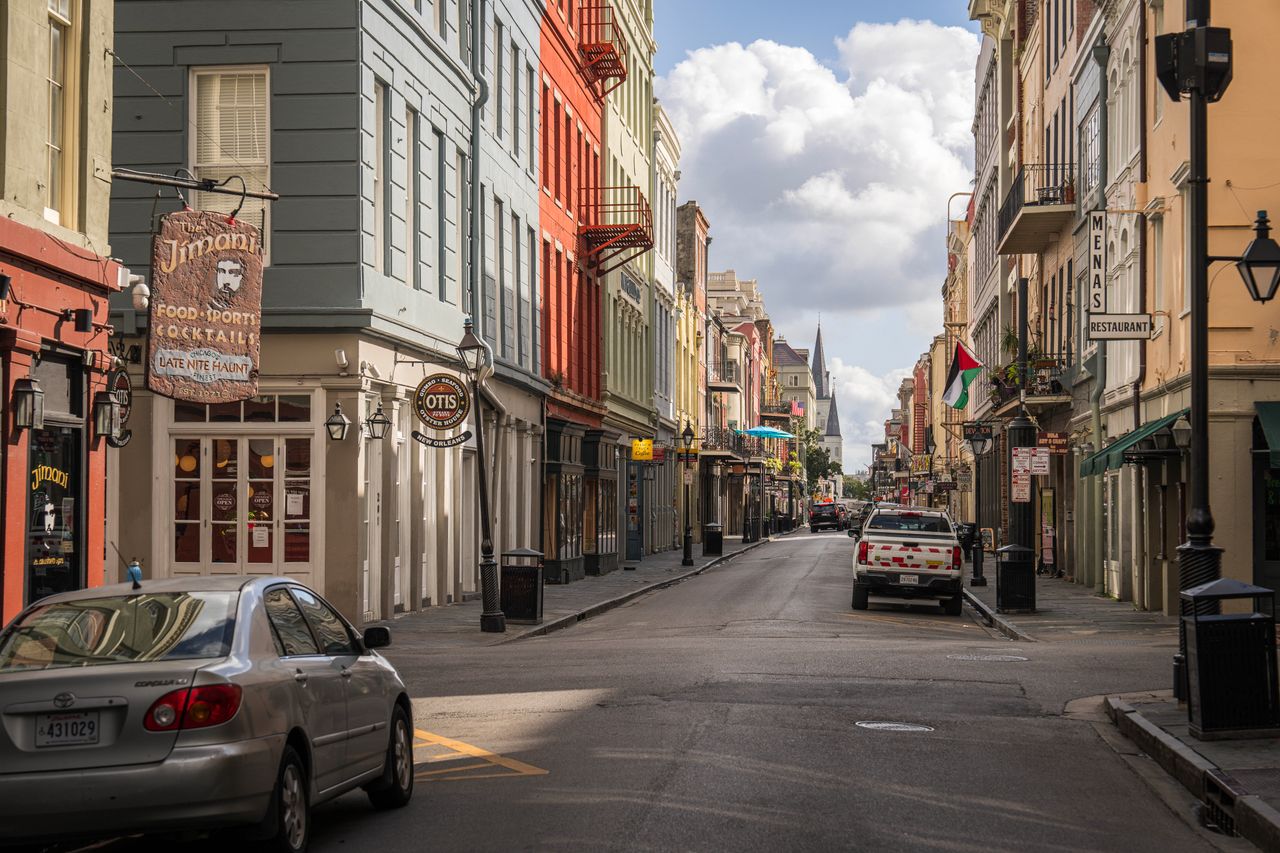
The French Quarter is the most recognizable and heavily trafficked neighborhood in New Orleans, drawing millions of tourists annually. Businesses in the French Quarter benefit from extraordinary foot traffic, especially along Bourbon Street, Royal Street, and Decatur Street. Tourism-facing businesses including souvenir shops, restaurants, bars, tour operators, and hotels can generate strong revenues here.
However, the French Quarter comes with significant trade-offs. Commercial rents are the highest in the city. The neighborhood has strict historic preservation rules that limit signage, exterior modifications, and certain types of businesses. Competition is intense. And the customer base skews heavily toward tourists rather than year-round residents, which can create seasonal volatility. The French Quarter rewards operators with strong tourist traffic strategies and the capital to handle its costs.
Metairie (Jefferson Parish)
Technically outside New Orleans city limits, Metairie in Jefferson Parish is an important business location for the metro area. It offers lower commercial rents, ample parking, strong suburban demographics, and proximity to the city. Businesses in healthcare, legal services, retail, food service, and professional services find Metairie’s suburban customer base and ease of access to be strong advantages.
JEDCO, Jefferson Parish’s economic development agency, provides business support, incentives, and resources for companies locating in the parish. If your business model depends on suburban customers, family demographics, or accessible parking, Metairie deserves a close look.
Choosing the Right Neighborhood for Your Business
The right location depends on your customer profile, budget, required foot traffic, and operational needs. Before committing to a lease, spend time in each neighborhood at different times of day and week. Talk to other business owners on the street. Study traffic patterns and demographics. Work with a local commercial real estate broker who specializes in New Orleans retail or office to find spaces that match your requirements and negotiate favorable terms.
For more on the broader New Orleans business environment, read our complete New Orleans business guide.
Ready to Know Where You Stand?
The Business Journey dashboard maps your exact position across all 13 stages. Track your progress, unlock resources for each step, and build with a framework used by thousands of founders at Hustler's Library.

No credit card required · Takes 3 minutes · Personalized to your stage