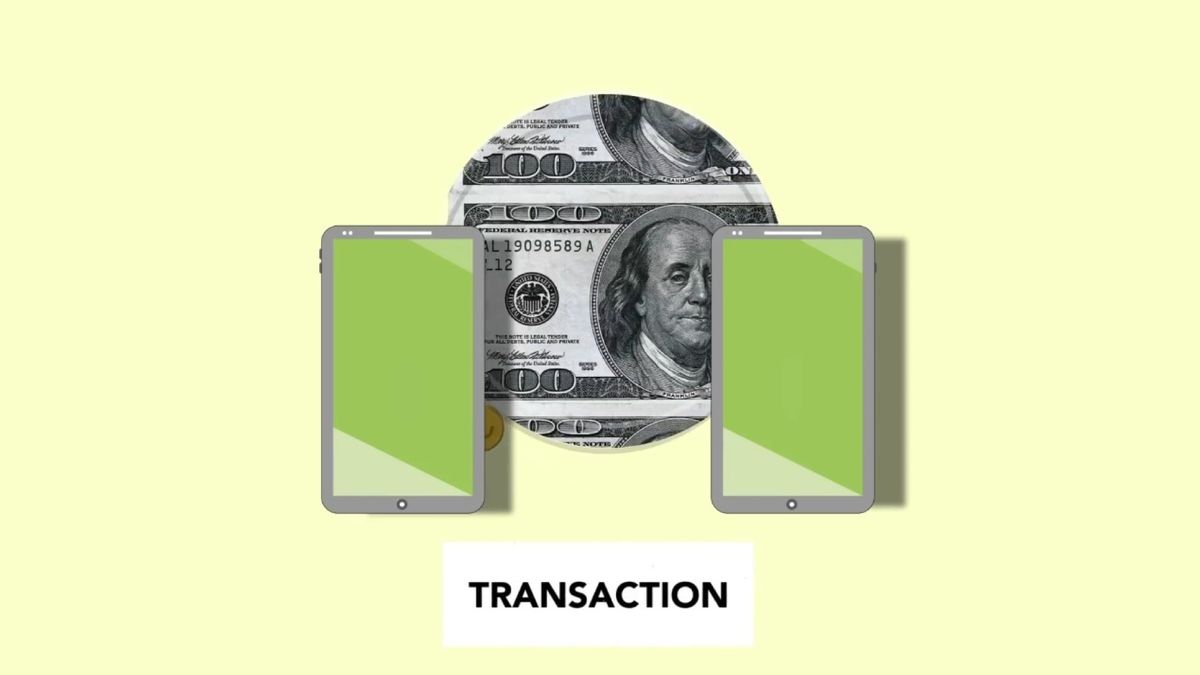
If you pay contractors or freelancers, you already know the pain of wire transfers. Fees ranging from $15 to $50 per transaction, delays of three to five business days, forms to fill out, bank intermediaries to satisfy, and international payments that sometimes bounce back with no clear explanation. USDC on Solana solves most of these problems at a fraction of the cost. This post walks through the practical workflow: what you need, what your contractors need, how taxes still work, and what risks to keep in mind.
Why USDC on Solana Beats Wire Transfers for Contractor Payments
The case is straightforward on the numbers. A typical domestic wire transfer costs $15 to $30 at most banks. International wires run $30 to $50 or more, and that does not include the exchange rate spread your bank charges on top (often 2 to 4 percent). On the receiving end, the contractor’s bank may charge an incoming wire fee of $10 to $25.
A USDC payment on Solana costs approximately $0.00025 per transaction. Not $0.25. Less than a fraction of a cent. The payment settles in under a second. The contractor receives exactly what you sent, with no deductions from intermediaries. There is no SWIFT routing, no correspondent bank in the middle, and no waiting period. For businesses running payroll for five or more international contractors per month, the annual savings on wire fees alone often exceed $1,000.
Speed matters too. When you pay a contractor on Friday with a wire transfer, they may not see the funds until Tuesday or Wednesday. With USDC on Solana, they have the money in their wallet before you finish closing the browser tab. For contractors who rely on timely payment to manage their own expenses, this is a meaningful benefit that can strengthen your working relationships.
For context on how these fee structures compare to traditional payment processors, see the Solana Pay vs Stripe vs Square cost calculator on this site.
How to Set Up a USDC Payroll Workflow
Step 1: Get Your Business Wallet Ready
You need a Solana wallet loaded with USDC. The easiest path is to open a Phantom wallet, then purchase or transfer USDC to it. You can acquire USDC through any major exchange (Coinbase, Kraken, etc.) and withdraw to your Phantom wallet address. USDC on Solana and USDC on Ethereum are different assets on different networks: when withdrawing from an exchange, confirm you are selecting the Solana network. Keep a running balance in the wallet to cover upcoming payroll cycles without scrambling to top it up each time. A $5 worth of SOL in the same wallet covers thousands of transactions in network fees.
Step 2: Collect Contractor Wallet Addresses
Each contractor needs a Solana wallet address that accepts USDC. Ask them for their Solana public address, not an Ethereum address. The two are incompatible. Their wallet can be Phantom, Solflare, or any other Solana-compatible wallet. Store their address in your contractor records the same way you store their bank account details for ACH. Send a test transaction of $1.00 to confirm the address is correct before processing a full payment with a new contractor.
Step 3: Execute and Record Payments
From your wallet, initiate a USDC send to the contractor’s address, enter the amount, and confirm. The transaction is complete in seconds. Save the transaction hash (a unique identifier for every Solana transaction) as your payment receipt. This serves as your audit trail. Every transaction is also permanently recorded on the Solana blockchain and publicly verifiable.
For regular payroll cycles, some businesses create a simple spreadsheet that logs: contractor name, wallet address, payment date, amount in USDC, transaction hash, and equivalent USD value. That spreadsheet becomes your payroll ledger. Tools like Request Finance can automate this workflow further for businesses managing multiple contractors simultaneously.
What Your Contractors Need on Their End
Your contractors need four things. First, a Solana wallet. Phantom takes about five minutes to set up on desktop or mobile. Second, they need to enable USDC in their wallet (most wallets do this automatically once they receive USDC). Third, they need to understand that their USDC balance is stable at $1.00 per token and can be spent or exchanged easily. Fourth, they need to know how to off-ramp to their local currency if needed: through an exchange, or through Circle‘s USDC redemption program.
For international contractors, the off-ramp options vary by country. In most developed markets, they can sell USDC on a local exchange and withdraw fiat to their bank. In markets with exchange controls or limited crypto infrastructure, the process can be more complex. Be upfront with contractors about this before switching them to crypto payments. For a detailed look at which countries have smooth off-ramp options and which have friction, see the post on stablecoins for international business payments.
Tax Reporting: 1099 Rules Still Apply
Paying in USDC does not change your IRS reporting obligations. If you pay a contractor $600 or more in a calendar year, you are required to issue a Form 1099-NEC. The IRS does not care whether the payment was made in dollars, USDC, or any other form. The amount reported on the 1099 is the fair market value in USD at the time of payment. Since USDC is pegged to $1.00, the conversion is straightforward: $5,000 in USDC equals $5,000 for reporting purposes.
The IRS has clear guidance on the treatment of cryptocurrency payments as income. The agency’s virtual currency FAQ at irs.gov covers the basics. The key takeaway: receiving payment in crypto is taxable income to the recipient at fair market value, and paying in crypto creates a reporting obligation for the payer when the $600 threshold is met.
Keep your contractor’s legal name, address, and tax ID (SSN or EIN) on file, the same as you would for any 1099. The payment method does not change the documentation requirements. For a full breakdown of 2027 payroll tax rules covering both W-2 employees and 1099 contractors, see: Crypto Payroll for Small Business: USDC, Taxes, and IRS Rules for 2027.
Platforms That Support USDC Contractor Payments
Beyond sending directly from your own wallet, several platforms are building tooling specifically for crypto contractor payments. Request Finance is a web3 invoicing platform that lets contractors send invoices denominated in USDC and lets businesses pay them with a few clicks. It also generates payment records for accounting purposes, which reduces the manual tracking significantly for businesses managing multiple contractors. Superfluid enables streaming payments (pay-per-second or pay-per-hour workflows) for ongoing contractor relationships where the work is continuous rather than project-based.
These platforms are more structured than raw wallet-to-wallet transfers and come with built-in reporting. For businesses that have more than a handful of contractors on regular payment cycles, the platform approach is worth exploring even if the wallet-to-wallet workflow works fine for occasional one-off payments.
For a broader look at how Solana fits into small business operations beyond payroll, the Solana for Small Business no-hype guide covers the full landscape.
Risks and What to Watch For
Wallet address errors. Unlike a bank wire where you can recall or reverse a misdirected payment, a blockchain transaction is final. Double-check every wallet address before sending. Send a test transaction of $1.00 before processing the full payment with a new contractor. A single typo in a wallet address sends funds to an incorrect or nonexistent address with no recovery path.
Key security. Your wallet’s seed phrase is the master key to your funds. Store it offline, never in a cloud document or email, and never share it with anyone. If you lose it, you lose access to your funds. If someone else gets it, they can drain your wallet with no recourse. Consider using a hardware wallet for any wallet holding significant funds.
Network outages. Solana has experienced occasional network disruptions historically, though these have become less frequent. Do not schedule critical payments on a hard deadline if you have not confirmed the network is running normally. Solana’s status page provides real-time updates on network health.
Regulatory changes. Crypto payment regulations are still evolving in the US and internationally. Keep an eye on IRS guidance updates and any state-level requirements that may affect your business.
Contractor willingness. Some contractors are not comfortable with crypto yet. You cannot require payment in USDC if a contractor objects. Have a fallback payment method available and offer USDC as an option rather than a requirement, at least initially.
The Bottom Line
USDC payments on Solana are practical right now for businesses that regularly pay remote or international contractors. The fee savings are real, the speed improvement is dramatic, and the accounting is not significantly more complex than traditional payroll: you still issue 1099s, you still track payments. The main overhead is onboarding contractors to crypto wallets, which most can accomplish in under an hour.
Start with one or two willing contractors, run a pilot for a quarter, and track the actual savings. The numbers tend to make the case for expanding the program on their own.
Want more operational frameworks for running a lean, modern small business? Join Hustlers Library free and get access to the full library of guides built for operators, not hobbyists.
Disclaimer: This article is for informational purposes only and does not constitute financial, legal, or investment advice. Cryptocurrency and blockchain-based payment systems carry risk. Consult a qualified financial or legal professional before making any business decisions based on this content.
Ready to Know Where You Stand?
The Business Journey dashboard maps your exact position across all 13 stages. Track your progress, unlock resources for each step, and build with a framework used by thousands of founders at Hustler's Library.

No credit card required · Takes 3 minutes · Personalized to your stage