The Section 179 tax deduction is one of the most powerful tools in a business owner’s financial playbook, and SUVs over 6,000 pounds GVWR are at the center of it. In 2026, the Section 179 deduction limit is $1,220,000, and vehicles with a gross vehicle weight rating above 6,000 pounds qualify for immediate expensing rather than multi-year depreciation. This guide covers the best SUVs over 6,000 pounds GVWR for the Section 179 deduction in 2026, what the rules actually say, and how to use this deduction strategically.
How Section 179 Works for Heavy SUVs
Under IRS rules, passenger automobiles under 6,000 pounds GVWR are subject to luxury auto depreciation caps that limit your first-year deduction to roughly $12,200 (2026 figure). Vehicles over 6,000 pounds GVWR are classified differently and can be fully expensed under Section 179 up to the SUV limit of $30,500 in 2026, or deducted via bonus depreciation for the remaining cost basis. When combined, a qualifying heavy SUV purchased and placed in service before December 31 can generate a deduction of 80% or more of the vehicle’s purchase price in year one.
There is a critical requirement: the vehicle must be used for business purposes more than 50% of the time, and you can only deduct the business-use percentage of the cost. If you use a $75,000 SUV 80% for business, your deductible basis is $60,000. Documentation of business use is mandatory. Mileage logs, purpose records, and business necessity documentation are what the IRS will ask for in an audit. The IRS Publication 946 covers all depreciation and Section 179 rules in detail and is required reading before you make a vehicle purchase decision based on tax strategy.
For the full expense tracking system that makes this deduction IRS-audit-proof, see Hustler’s Library’s guide to business travel deductions and the travel expense management system that covers documentation best practices.
Best SUVs Over 6,000 Pounds GVWR in 2026
1. Cadillac Escalade (GVWR: ~7,900 lbs)
The Escalade is the flagship American luxury SUV and a perennial Section 179 favorite. The 2026 model starts around $83,000 and tops out near $120,000 for fully loaded variants. GVWR comes in well above the 6,000-pound threshold at approximately 7,900 pounds. The Escalade serves legitimate business purposes for executives who need client transport, executive presence at meetings, and long-distance road travel in comfort. The 6.2L V8 standard engine or available 3.0L diesel both deliver strong towing capacity. Full expensing at 80% business use on a $90,000 Escalade generates roughly $72,000 in year-one deductions.
2. Lincoln Navigator (GVWR: ~7,600 lbs)
The Navigator competes directly with the Escalade at a slightly lower entry price (around $79,000 for 2026 base models) and with GVWR confirmed above 6,000 pounds. Lincoln’s Black Label trim turns this into a genuine client transport vehicle with massaging seats, panoramic roof, and a cabin quieter than many executive sedans. For business owners who need a fleet vehicle that impresses clients without the Escalade’s premium price tag, the Navigator is the smarter choice.
3. GMC Yukon XL / Chevrolet Suburban (GVWR: ~7,800 lbs)
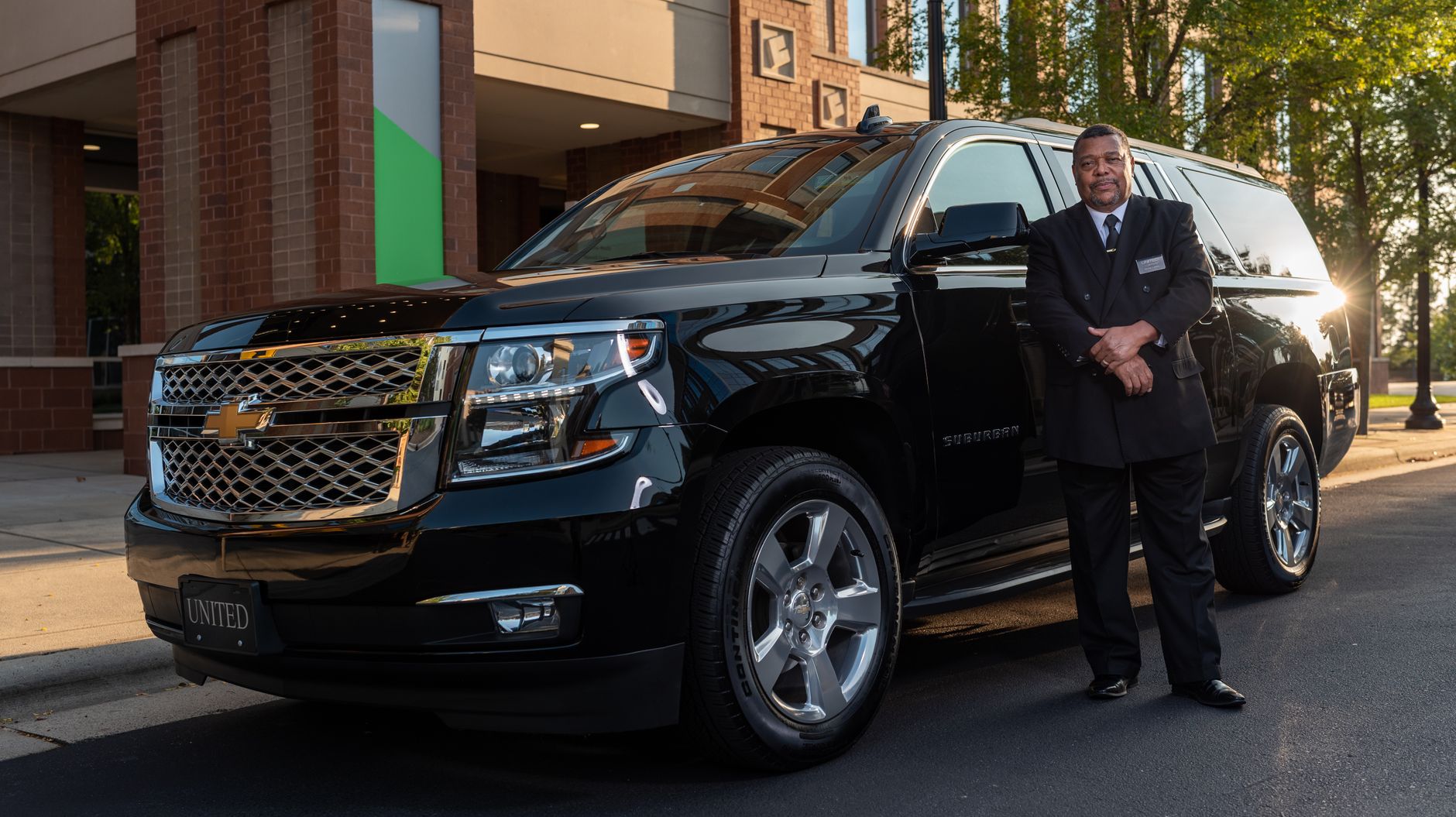
The Yukon XL and Suburban are the workhorses of the heavy SUV category. Both carry GVWR near 7,800 pounds and start around $58,000-$65,000 in base trim. These are legitimate business vehicles for teams that need to move people and equipment: contractors, event companies, real estate teams, and construction managers. The Denali and High Country trims push toward $80,000 and add luxury features, but the value proposition at the base trim level is the strongest in the heavy SUV category. A $65,000 Suburban at 80% business use generates over $52,000 in potential first-year deductions.
4. Ford Expedition MAX (GVWR: ~7,950 lbs)
The Expedition MAX is Ford’s longest full-size SUV and qualifies comfortably over the 6,000-pound threshold at approximately 7,950 pounds GVWR. Starting around $60,000, the Expedition MAX offers more cargo space than any competitor in this segment and Ford’s SYNC 4 infotainment system. The Platinum and King Ranch trims push past $80,000 for buyers who need luxury alongside utility. A strong choice for business owners in trades, real estate, or any field requiring frequent cargo and passenger transport.
5. Toyota Land Cruiser (GVWR: ~6,100 lbs)
The reborn 2026 Land Cruiser returns with a twin-turbo V6 and starts around $56,000. GVWR comes in just above the threshold at approximately 6,100 pounds depending on configuration. Verify the specific trim’s GVWR before purchase because different option packages can affect the rating. The Land Cruiser’s appeal for business buyers is its legendary reliability and residual value: total cost of ownership over five years is often lower than competitors in this price range despite the similar purchase price. The 2026 model’s off-road capability also makes it genuinely useful for business owners in agricultural, construction, or outdoor industries.
6. Jeep Grand Wagoneer (GVWR: ~7,100 lbs)
The Grand Wagoneer is Jeep’s flagship at over $60,000 base and well above the GVWR threshold at approximately 7,100 pounds. The Series III trim pushes past $100,000 with a McIntosh audio system, 10-inch passenger screen, and genuinely impressive interior quality. For business owners in markets where off-road capability matters (ranching, outdoor recreation, rural real estate), the Grand Wagoneer combines utility with executive presence in a way no other vehicle in this segment does.
Critical Rules Before You Buy
Confirm the actual GVWR of the specific vehicle and trim before purchase. Manufacturers sometimes change GVWR ratings between model years, and different trim levels of the same vehicle can have different ratings. The GVWR is listed on the door jamb sticker of the vehicle and in the manufacturer’s specifications. Do not rely on internet estimates.
Work with a CPA who understands Section 179 before executing this strategy. The deduction is real and substantial, but only when documented correctly and applied to genuine business use. Attempting to deduct a personal vehicle with fabricated business use logs is tax fraud, not tax strategy.
Section 179 requires that the business has taxable income to absorb the deduction. You cannot use Section 179 to generate a net operating loss. Bonus depreciation can create a loss, which makes the combination of Section 179 plus bonus depreciation a nuanced calculation best handled with professional guidance. The IRS Publication 946 provides the authoritative rules.
The Bottom Line
Best overall pick for business owners seeking the Section 179 deduction in 2026: the GMC Yukon XL or Chevrolet Suburban. The combination of GVWR well above the threshold, strong starting price below $70,000, broad utility, and well-documented deduction history makes it the most defensible and practical choice. For executives who need client-facing luxury, the Cadillac Escalade or Lincoln Navigator deliver the same deduction benefit with premium positioning. The Toyota Land Cruiser is the long-term value play for owners who prioritize total cost of ownership.
If you’re building business credit alongside these deductions, Credit Karma is a free tool many small business owners use to monitor their personal credit profile while their business credit history develops.
Want more tax strategies and financial frameworks for business owners? Join Hustler’s Library free and access the guides, tools, and resources serious entrepreneurs use to keep more of what they earn.
Ready to Know Where You Stand?
The Business Journey dashboard maps your exact position across all 13 stages. Track your progress, unlock resources for each step, and build with a framework used by thousands of founders at Hustler's Library.

No credit card required · Takes 3 minutes · Personalized to your stage