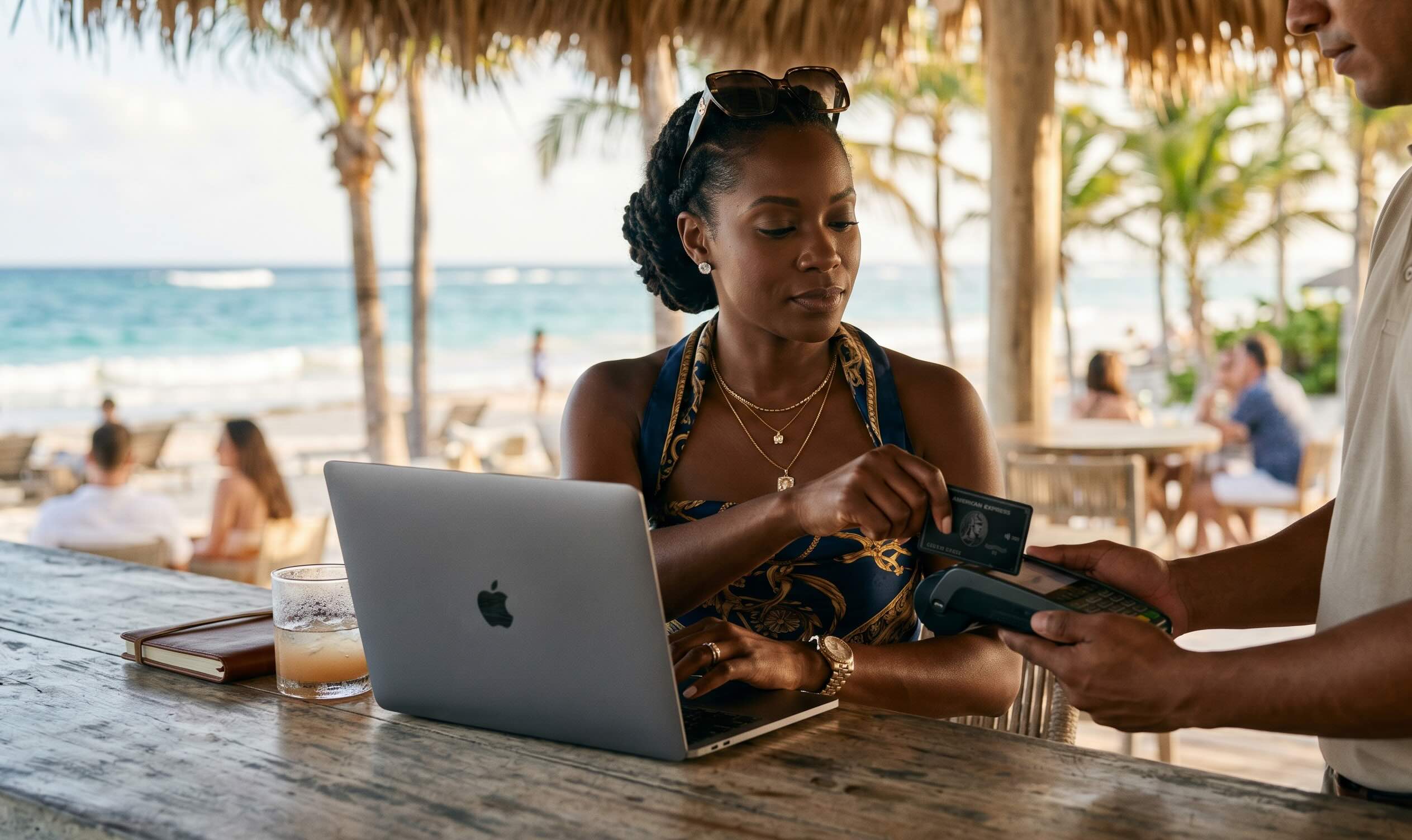
A media buy is the purchase of advertising space or time from a publisher, platform, or media owner. It’s the transaction that sits behind every ad you see: someone negotiated and paid for that placement. Media buying can happen directly (you contact a website or publication and pay for a sponsorship or banner) or programmatically (automated systems purchase ad inventory in real-time auctions). For entrepreneurs scaling a marketing strategy, understanding how media buying works helps you spend more efficiently and negotiate better placements.
Direct vs. Programmatic Media Buying
Direct media buys involve negotiating directly with a publisher: a newsletter, a blog, a podcast, a YouTube channel, or a website with a relevant audience. You agree on placement, format, duration, and price. Direct buys offer more control, guaranteed placement, and often better audience alignment for niche campaigns. Programmatic buying uses automated platforms (DSPs) to bid on ad inventory across thousands of sites simultaneously, using audience data to target the right users in real time. Programmatic scales; direct targets.
Understanding Media Buy Pricing
Media buys are priced using several models. CPM (cost per thousand impressions) is the most common for display and video. CPC (cost per click) is standard for search and some social formats. Flat fee buys are common for newsletter sponsorships and podcast ads: a fixed price for a specific placement regardless of traffic. Evaluating which pricing model gives you the best value for your campaign goals requires knowing your expected conversion rates and revenue per conversion.
Planning a Media Buy
Effective media buying starts with audience clarity. Who are you trying to reach, where do they consume content, and what message will resonate with them at that moment? From there, identify the publications, platforms, or channels where your audience concentrates, evaluate their reach and audience quality, and negotiate placements that fit your budget. Always ask for an audience media kit from direct publishers: it should include traffic data, demographics, and past advertiser results.
Measuring Media Buy Performance
Track every media buy against your key metrics: clicks, conversions, ROAS, and cost per acquisition. Direct buys can be harder to attribute than programmatic or search ads, but UTM parameters, dedicated landing pages, and promo codes help isolate performance. A media buy that doesn’t generate measurable return should be paused or renegotiated. Treat every buy as a test until the data tells you it’s worth scaling.
The Bottom Line
Media buying is how advertising gets placed in front of audiences. Whether you’re negotiating a newsletter sponsorship or running a programmatic display campaign, the fundamentals are the same: know your audience, know what a conversion is worth, and measure everything. Smart media buying is a competitive advantage that compounds as you learn which placements work for your business. Find more in the business basics library.
Ready to Know Where You Stand?
The Business Journey dashboard maps your exact position across all 13 stages. Track your progress, unlock resources for each step, and build with a framework used by thousands of founders at Hustler's Library.

No credit card required · Takes 3 minutes · Personalized to your stage