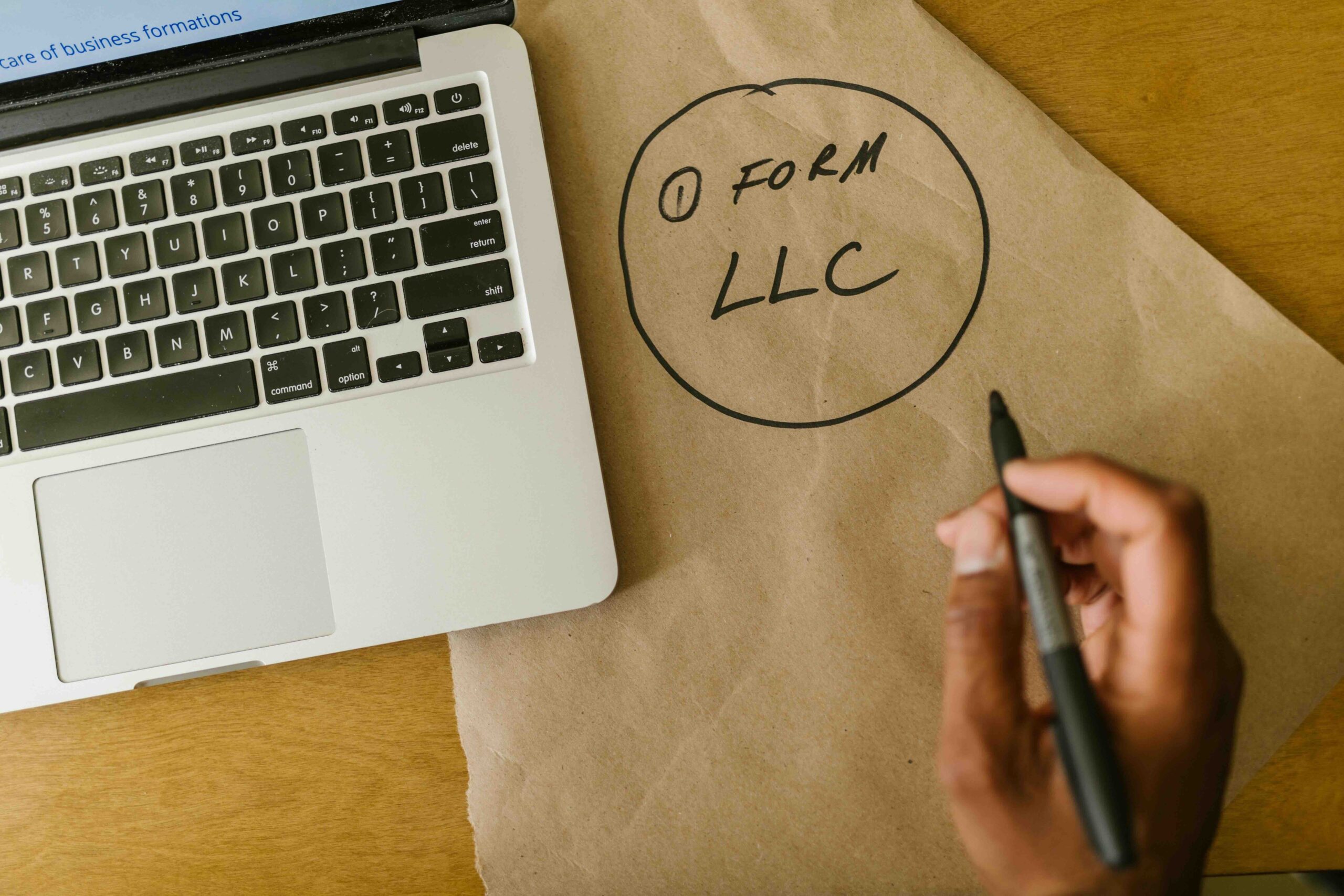
Forming an LLC is one of the smartest moves a new business owner can make — it separates your personal assets from your business liabilities, gives you credibility, and unlocks business banking, credit, and tax flexibility. But how you form one matters. This guide walks through every step of the process and honestly compares all three paths: doing it yourself, using an online formation service, or hiring a local attorney.
What an LLC Actually Does for You
An LLC (Limited Liability Company) creates a legal wall between you and your business. If your business is sued or owes a debt, your personal bank account, car, and home are generally protected. You also get pass-through taxation by default — meaning profits flow to your personal tax return, avoiding the double taxation that C-corps face.
Most solo founders, freelancers, and small business owners start with an LLC. It’s simple, flexible, and available in all 50 states.
The Core Steps to Forming an LLC
Regardless of which path you choose, these are the building blocks of LLC formation:
1. Choose a State
Most people should form their LLC in the state where they actually operate. Filing in Delaware or Wyoming sounds appealing, but if you do business in California or New York, you’ll likely need to register there anyway — and pay fees in both states. Unless you have a specific legal or tax strategy, file where you live and work.
2. Pick a Name
Your name must be unique in your state’s business registry. Most states have a free name search tool on their Secretary of State website. Your name must include “LLC,” “L.L.C.,” or “Limited Liability Company” somewhere in it.
3. Appoint a Registered Agent
Every LLC must have a registered agent — a person or company with a physical address in your state who can receive legal documents on your behalf. You can serve as your own registered agent, but using a service adds privacy (your home address won’t be on public state filings) and reliability (someone’s always available during business hours). Registered agent services typically run $50–$150/year.
4. File Articles of Organization
This is the official formation document filed with your state. It typically includes your LLC name, registered agent info, and the names of the owners (members). State filing fees range from $50 to $500 depending on where you’re filing (see state fee table below).
5. Create an Operating Agreement
This internal document outlines how your LLC is run — ownership percentages, voting rights, how profits are distributed, and what happens if an owner leaves. Some states require it; all LLCs should have one. It won’t be filed with the state, but it’s critical for resolving disputes and protecting your liability shield.
6. Get Your EIN
An Employer Identification Number (EIN) is your LLC’s federal tax ID — like a Social Security number for your business. You need it to open a business bank account, hire employees, and file taxes. Apply for free at IRS.gov in minutes.
7. Open a Business Bank Account
Keeping personal and business finances separate is essential. Mixing them is the #1 reason courts “pierce the corporate veil” and hold owners personally liable. Open a dedicated business checking account as soon as your LLC is formed.
8. Stay Compliant
Most states require an annual report and fee to keep your LLC in good standing. These range from $0 (New Mexico) to several hundred dollars per year. Missing them can result in your LLC being dissolved. Calendar it.
State Filing Fees: Top 10 States
| State | Filing Fee | Annual Report Fee |
|---|---|---|
| California | $70 | $800 minimum franchise tax |
| Texas | $300 | No annual report fee (franchise tax may apply) |
| Florida | $125 | $138.75/year |
| New York | $200 | $9 biennial + publication requirement (~$1,000+) |
| Illinois | $150 | $75/year |
| Nevada | $75 | ~$350/year |
| Delaware | $90 | $300/year |
| Georgia | $100 | $50/year |
| Colorado | $50 | $10/year |
| Washington | $200 | $60/year |
Fees are approximate and subject to change. Always verify on your state’s Secretary of State website.
Path 1: DIY — File Directly With Your State
Best for: Solo founders with simple business structures who want to minimize costs.
Cost: Just the state filing fee (see table above).
You can form an LLC entirely on your own through your state’s Secretary of State website. The process is straightforward in most states: fill out the Articles of Organization form online, pay the fee, and you’re filed. You’ll then need to draft your own operating agreement (templates are available free online), apply for your EIN at IRS.gov, and handle your registered agent setup yourself.
Pros: Cheapest option. You keep full control and learn the process firsthand.
Cons: No guidance if something goes wrong. You’re responsible for ensuring your documents are correct and compliant. Easy to miss details like the New York publication requirement or California’s unique franchise tax rules.
DIY is a solid option for simple, single-member LLCs in most states — just do your research on your specific state’s requirements before filing.
Path 2: Online LLC Formation Services
Best for: Founders who want a guided process, document storage, and ongoing compliance support without lawyer prices.
Online services handle the paperwork, filing, and often provide registered agent service. They won’t give you legal advice, but they make the mechanics fast and error-resistant.
Northwest Registered Agent
Northwest is the most privacy-focused option on this list. They’ll use their own address on your formation documents instead of yours, keeping your personal address off public record. Their formation package ($39 + state fees) includes a registered agent for the first year, operating agreement template, and lifetime customer support from actual humans — not chatbots.
If privacy and quality support matter to you, Northwest Registered Agent is a top-tier pick.
LegalZoom
LegalZoom is the most recognized name in the space and has helped form millions of businesses. Their LLC packages start around $0 + state fees (basic) and go up from there with add-ons. They also offer legal plan subscriptions that give you attorney access for questions — which can be useful if you’re uncertain about specifics.
One honest caveat: upsells are aggressive, and customer support quality can vary. But the brand is established and they do the job. LegalZoom’s LLC formation service is a reliable choice if you value brand recognition and want optional attorney access.
ZenBusiness
ZenBusiness has earned strong reviews for its clean interface and customer service. Their starter plan is $0 + state fees and includes a registered agent for one year. They focus heavily on the ongoing compliance side — reminding you of annual reports, storing your documents, and making it easy to add services as your business grows.
Incfile (now Bizee)
Incfile rebranded to Bizee but remains one of the most price-competitive options. Their base package is free + state fees and includes a year of registered agent service. It’s a no-frills option that gets the job done for simple formations.
Path 3: Hire a Local Business Attorney to Start an LLC
Best for: Multi-member LLCs, high-stakes industries, complex ownership structures, or any situation where the details really matter.
Cost: Typically $500–$2,500+ depending on complexity and your market.
An attorney won’t just file paperwork — they’ll advise you on the right structure for your situation, draft a customized operating agreement that actually protects you, and flag state-specific issues that online services might miss. If you’re bringing on investors, splitting equity with partners, or operating in a regulated industry (healthcare, finance, real estate), a business attorney is worth the cost.
The tradeoff is price and time. Attorney consultations take scheduling, and fees can add up. But for complex situations, cutting corners here can cost far more later.
Find a Local Business Attorney Near You
If you’re leaning toward working with an attorney, finding the right one locally makes a real difference. Hustler’s Library publishes city-specific business guides that include local attorney directories, co-working spaces, small business resources, and more.
Check out our guides for major markets:
- Los Angeles business resources
- New York City business resources
- San Francisco business resources
- Las Vegas business resources
- Miami business resources
Local attorneys often offer free 30-minute consultations. It’s worth a call if you’re unsure whether DIY or a service covers your situation.
Which Path Is Right for You?
There’s no single right answer — it depends on your situation:
- Single-member LLC, straightforward business: DIY or an online service like Northwest Registered Agent gets it done affordably.
- Multi-member LLC or equity splits: Use an attorney. The operating agreement alone is worth the fee.
- High-volume, regulated, or investor-backed business: Attorney, no question.
- Want a middle ground with optional attorney access: LegalZoom gives you formation plus legal plan options.
The most important thing: form it. Operating as a sole proprietor with no legal separation is the riskiest choice of all. An LLC gives you protection, credibility, and a foundation to build on — and you can get there for the price of a state filing fee.
Track Your Business Journey — Free
Getting your LLC set up is Step 2 of building a solid business foundation. Hustler’s Library’s free Business Journey dashboard walks you through all 13 steps of building a business — from legal setup to exit strategy. Create your free account here.
Ready to Know Where You Stand?
The Business Journey dashboard maps your exact position across all 13 stages. Track your progress, unlock resources for each step, and build with a framework used by thousands of founders at Hustler's Library.

No credit card required · Takes 3 minutes · Personalized to your stage