IoT : the Internet of Things : gets talked about in the context of massive industrial deployments and smart city infrastructure. But the practical application of connected devices in small and mid-size businesses is more grounded and accessible than the enterprise-scale examples suggest.
Here’s the plain-English version of what IoT actually is, how small businesses are using it today, what it costs to get started, and what you need to know about the security side before deploying anything.
What IoT Is
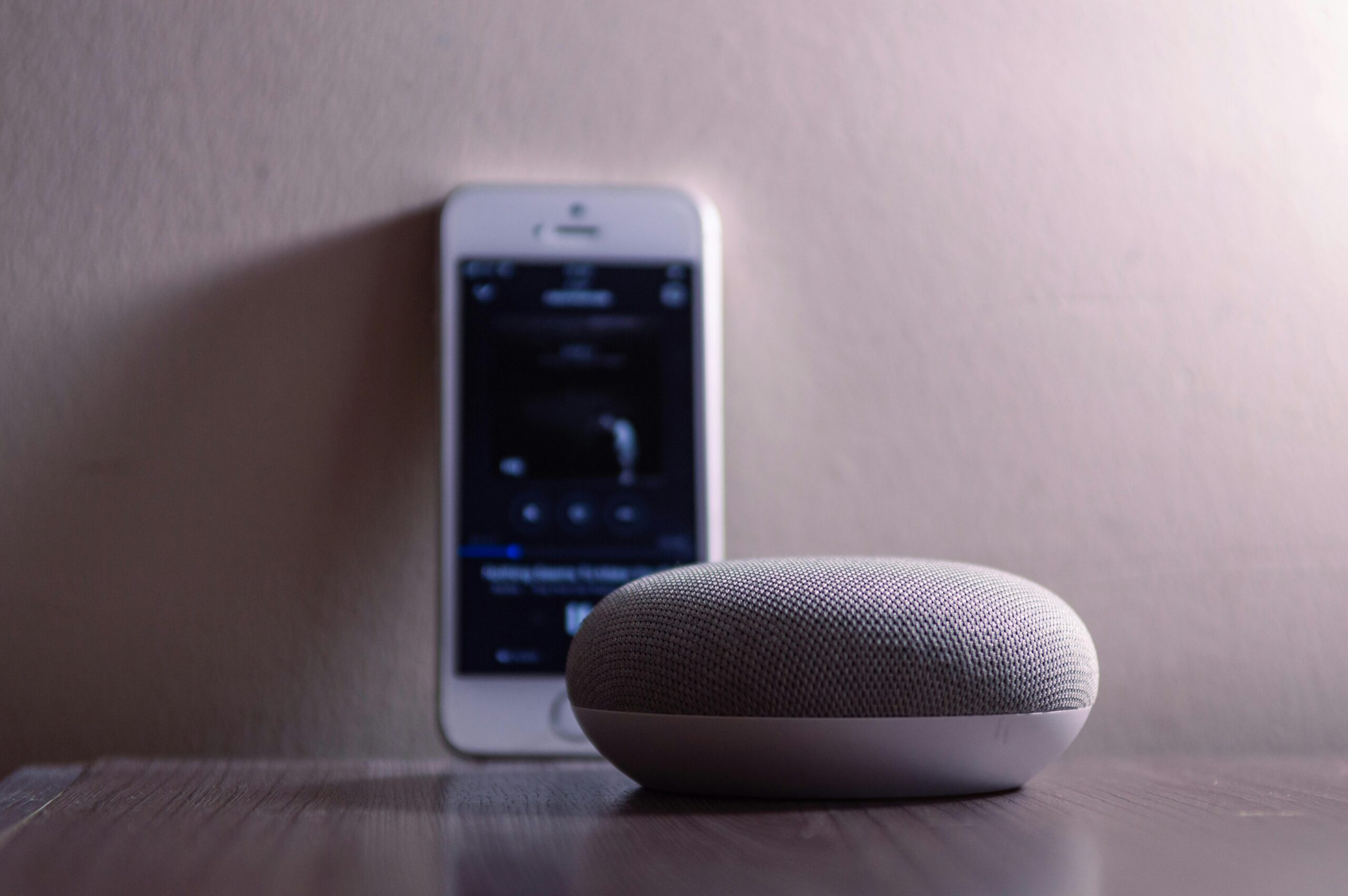
IoT is the network of physical devices : sensors, cameras, thermostats, machines, vehicles, equipment : connected to the internet and able to collect and transmit data. The “thing” in the Internet of Things is any physical object that can be monitored, controlled, or tracked remotely through an internet connection.
The operational value is simple: information you previously had to gather manually (or didn’t have at all) becomes available automatically, in real time, accessible from anywhere, and often triggering automated responses.
Instead of a manager walking the floor to check equipment status, IoT sensors report the status automatically. Instead of discovering the freezer failed after the inventory is ruined, temperature sensors send an alert the moment temperature deviation begins. Instead of guessing when a delivery vehicle will arrive, GPS tracking shows the exact location in real time.
Real SMB Use Cases by Industry
Retail
Inventory management: RFID tags on inventory items enable real-time stock counts without manual scanning. Shrinkage detection, reorder point automation, and accurate inventory valuation become significantly easier when you have automated tracking rather than periodic manual counts.
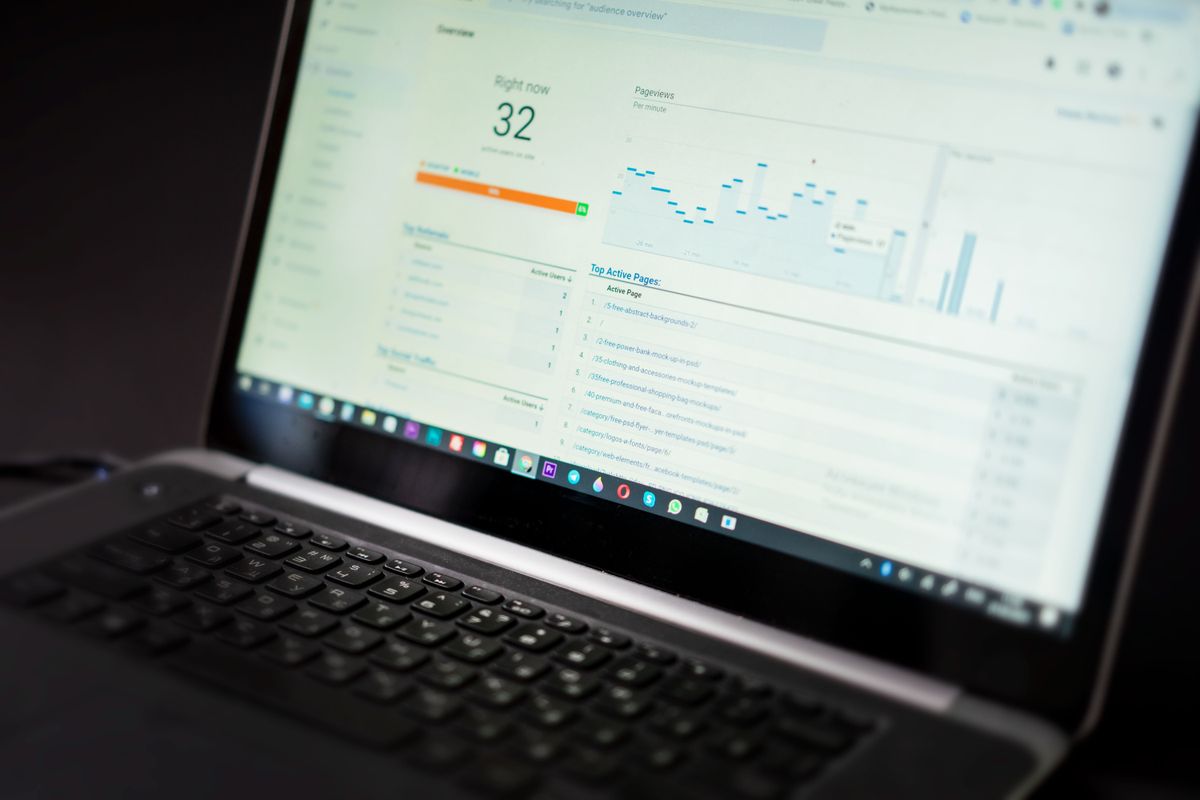
Customer foot traffic analytics: Sensors that count and analyze foot traffic patterns through your store help you understand peak times, high-traffic areas, and the effectiveness of display placements. This is the kind of data that used to require hiring a data analyst; today it comes from a $50 motion sensor and a dashboard app.
Digital signage and environmental controls: Smart thermostats that adjust based on store occupancy. Lighting systems that dim automatically when areas are unoccupied. These reduce energy costs without requiring manual management.
Restaurants and Hospitality
Temperature monitoring: Refrigerators, walk-in coolers, and hot holding equipment monitored continuously with automated alerts when temperatures go out of range. This prevents food loss, reduces food safety liability, and replaces manual temperature logs for health code compliance. Products like Senseware and Monnit offer affordable sensor solutions specifically designed for food service compliance.
Equipment monitoring: Grease traps, HVAC units, refrigeration compressors : sensors that alert you to maintenance needs before equipment failure. A failed refrigeration unit during a dinner service is a multi-thousand-dollar problem. Predictive monitoring that catches it in advance is much cheaper.
Smart locks and access control: Keyless entry systems that log who accessed what areas and when. For businesses with high staff turnover or multiple locations, eliminating physical key management and having access logs is a significant operational improvement.
Logistics and Field Service
Fleet tracking: GPS trackers on vehicles and equipment provide real-time location, route history, idle time, and maintenance alerts. For businesses with delivery or service vehicles, this improves dispatch efficiency, reduces fuel costs through optimized routing, and provides accountability. Solutions like Samsara and Verizon Connect scale from small fleets to enterprise.
Asset tracking: Knowing where expensive equipment and tools actually are : on which job site, in which vehicle, in which warehouse bay : saves the time and cost of searching for misplaced assets. BLE (Bluetooth Low Energy) tags and GPS trackers on tools and equipment provide this visibility.
Proof of delivery and service confirmation: IoT-connected devices at delivery points or service locations that automatically confirm service completion, replacing paper-based or manually logged confirmations.
Facilities Management
Smart HVAC: Building management systems that control heating, cooling, and ventilation based on occupancy patterns, external temperature, and time of day. For businesses in larger spaces, smart HVAC can reduce energy costs by 15–30% compared to fixed schedules.
Water leak detection: Sensors in mechanical rooms, under sinks, and around plumbing that alert to water presence before a minor leak becomes structural damage. These sensors cost $20–$50 each. A single prevented water damage claim justifies years of sensor monitoring costs.
Security monitoring: Smart cameras with motion detection and cloud recording, door and window sensors, and integrated alarm systems provide real-time visibility into facility security without requiring on-site guards or physical monitoring.
Getting Started: A Practical Approach
The most common IoT mistake is starting too big. Businesses buy a comprehensive platform, try to connect 20 things simultaneously, run into integration complexity, and the project stalls. The better approach:
- Identify one high-value monitoring gap: What do you not know right now that would meaningfully help you operate better? Freezer temperature? Vehicle locations? Door access logs? Start there.
- Pick a simple, self-contained solution: For most starting use cases, you don’t need a full IoT platform. A temperature monitoring service with dedicated sensors and a cloud app does the job without infrastructure overhead.
- Validate the value: Does the data change how you operate? Are you catching problems earlier? Saving time on manual checks? If yes, expand. If the data sits unused, you’ve identified a solution looking for a problem.
- Build a connected environment incrementally: Once you have a proven use case, you can expand : adding more sensors, integrating with other systems, building automation on top of the data.
Cost Ranges
IoT deployments for small businesses vary significantly by scope:
- Single-use case monitoring (temperature, water, door sensors): $50–$500 in hardware + $10–$50/month software
- Fleet tracking for 5–10 vehicles: $200–$500 hardware + $30–$80/vehicle/month
- Retail foot traffic analytics: $500–$2,000 hardware + $50–$200/month software
- Building management system: $2,000–$20,000+ depending on building size and integration requirements
ROI on well-designed IoT implementations is typically measurable within 6–12 months : either through prevented losses, reduced labor for manual monitoring, or operational improvements with revenue impact. NordVPN for Business
IoT Security Considerations
IoT security deserves honest attention. Every connected device is a potential network entry point. For a full framework on building your security stack, see our guide on how to choose a cybersecurity provider. Poor IoT security has been responsible for significant business breaches : attackers getting into corporate networks through insecure cameras, HVAC systems, or other “dumb” devices that happened to be on the network.
Minimum security requirements for any IoT deployment:
- Network segmentation: Put IoT devices on a separate network VLAN, isolated from your business-critical systems. Business-grade networking platforms like Cisco Meraki make VLAN segmentation straightforward to configure. If an IoT device is compromised, it shouldn’t have access to your accounting server.
- Change default passwords: Nearly every IoT security incident involving small businesses involves devices running factory-default credentials. Change passwords on every device at setup.
- Firmware updates: IoT device manufacturers release security patches. Ensure devices auto-update or have a process for applying updates.
- Choose enterprise-grade vendors: Consumer IoT devices have worse security track records than business-grade solutions. Pay the premium for vendors with documented security practices and regular patch releases.
IoT doesn’t have to be complicated or expensive to provide real business value. Pairing IoT sensor data with AI-powered analytics tools can surface patterns from your device data that manual review would miss. The key is starting with a specific problem you’re trying to solve rather than buying into a platform and looking for problems to apply it to.
Ready to Know Where You Stand?
The Business Journey dashboard maps your exact position across all 13 stages. Track your progress, unlock resources for each step, and build with a framework used by thousands of founders at Hustler's Library.

No credit card required · Takes 3 minutes · Personalized to your stage