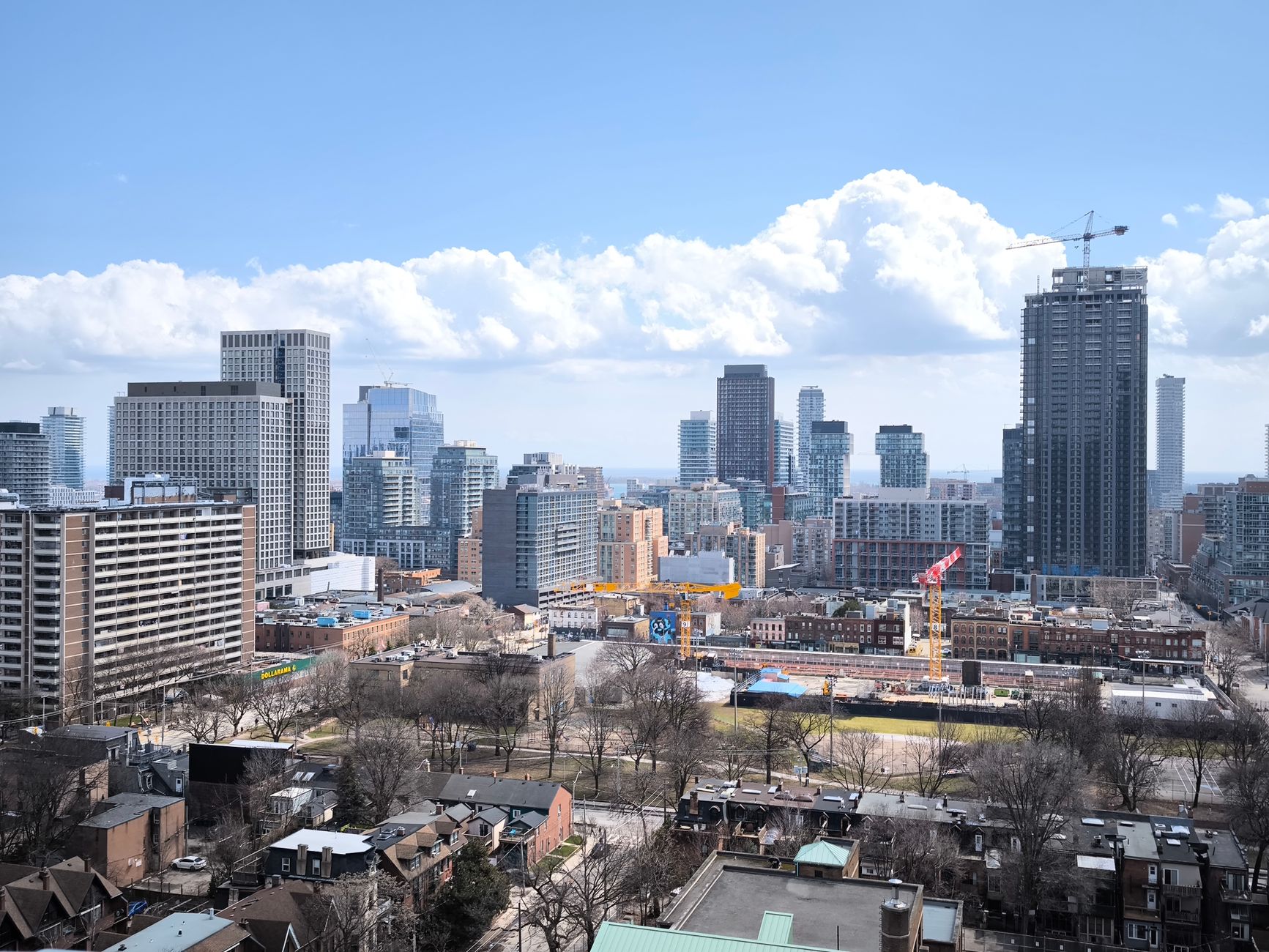
Toronto is in the midst of one of the most ambitious urban revitalization programs in North America. Across the city, former industrial corridors, underinvested neighbourhoods, and transit-adjacent communities are being transformed into vibrant mixed-use districts. For entrepreneurs and investors paying attention, these revitalization corridors represent some of the most compelling business opportunities available in Canada’s largest city.
Understanding Toronto’s Revitalization Corridors
Unlike the US Opportunity Zone program (which provides specific federal tax incentives for designated census tracts), Canada uses a different set of tools to incentivize investment in underserved communities: Community Improvement Plans (CIPs), tax increment financing, targeted infrastructure investment, and provincial housing initiatives. Toronto’s CIPs designate specific areas where the city will provide grants, loans, and planning flexibility to encourage private development and business investment.
The result is a patchwork of high-opportunity areas where land costs remain below the city average, new transit infrastructure is being built, and the city is actively supporting new business activity. For entrepreneurs willing to plant a flag early, the returns can be substantial.
Key Revitalization Corridors in Toronto
Regent Park
Canada’s oldest social housing project has been undergoing a dramatic transformation for over a decade. The redevelopment by Daniels Corporation and Toronto Community Housing has replaced aging towers with mixed-income, mixed-use communities. Retail ground floors, community spaces, and new parks have followed the residential construction. Regent Park’s location near Cabbagetown and Riverdale makes it increasingly attractive for food and beverage operators, fitness studios, and community-facing businesses.
Lawrence Heights
Located near the Allen Road and Lawrence Avenue West intersection, Lawrence Heights is one of Toronto’s most ambitious ongoing revitalization projects. The plan calls for thousands of new housing units alongside commercial space, community facilities, and improved transit connections. Businesses that establish themselves early in revitalization corridors typically benefit from lower initial rents, neighbourhood loyalty, and eventual property appreciation as the community transforms.
Scarborough (Multiple Nodes)
Scarborough is undergoing significant investment tied to the Scarborough Subway Extension, which will connect the area to the downtown core more directly. The Scarborough Town Centre area and the Eglinton Crosstown LRT corridor are focal points for commercial development. Scarborough has a dense, diverse population that is chronically underserved by the retail and service sectors, creating genuine demand for quality businesses willing to locate there.
Jane-Finch Corridor
Jane-Finch has historically been one of Toronto’s most economically disadvantaged communities, but investment in the Finch West LRT and targeted housing and social programs is beginning to shift the trajectory. The corridor’s large rental population represents significant consumer demand for accessible services including food, financial services, childcare, and healthcare. Entrepreneurs with genuine community ties and affordable offerings are well-positioned to build lasting businesses here.
Waterfront (East Bayfront and Port Lands)
Toronto’s waterfront is arguably the city’s most dramatic transformation story. Waterfront Toronto is overseeing the revitalization of hundreds of acres of former industrial land south of the Gardiner Expressway. East Bayfront, with its Corus Quay, Sherbourne Common, and Aitken Place developments, is already home to major media and tech employers. The Port Lands flood protection project will eventually unlock further development potential.
How to Evaluate a Location in These Corridors
Before committing to space in any revitalization corridor, verify: the current phase of the Community Improvement Plan; transit timelines (delays are common); demographic trends in consumer demand; and the city’s zoning permissions for your business type. The City of Toronto Community Improvement Plans page provides detailed maps and program summaries for each active CIP area.
For funding to support a location in a revitalization corridor, see our guide on small business funding in Toronto. And for commercial real estate guidance specific to finding and leasing space in these areas, read our Toronto commercial real estate guide.
Ready to build your Toronto business empire? Join the Hustler’s Library community free and get the tools, guides, and connections you need to win in Canada’s biggest market.